
NEWS
What Defines a High Speed Paper Bag Printing Machine Today
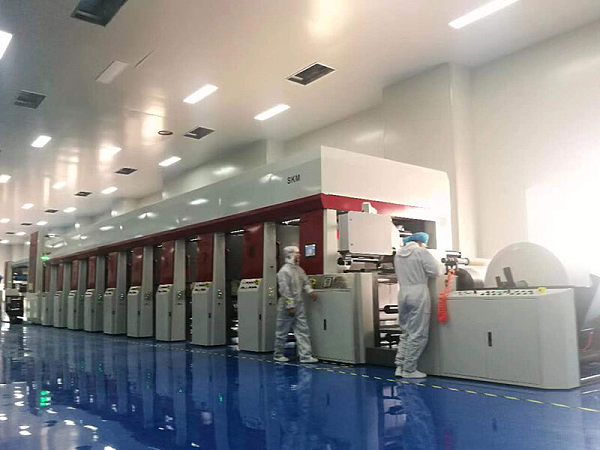
For technical evaluators comparing today’s converting equipment, a high speed paper bag printing machine is no longer defined by output alone. Print registration accuracy, substrate adaptability, automation level, changeover efficiency, and long-term operating stability now play an equally critical role. Understanding these factors helps buyers assess whether a machine can truly support demanding packaging print applications while improving productivity, consistency, and overall return on investment.
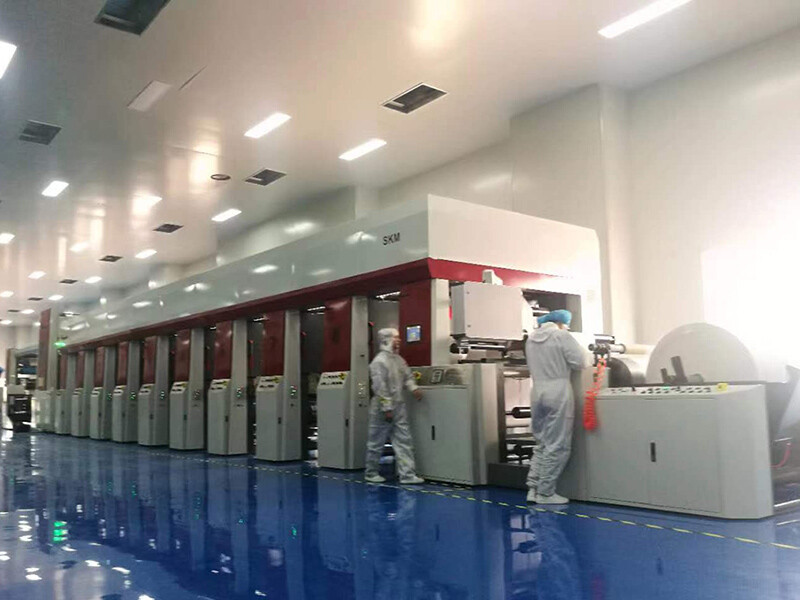
In packaging print operations, machine speed only matters when the printed result remains saleable, repeatable, and economical across long runs and short job changes. A line rated at 180 bags per minute but suffering from drift, setup delays, or unstable ink transfer may underperform a line running at 140 bags per minute with tighter process control.
For companies evaluating flexographic and paper bag converting equipment, the practical question is not simply how fast the machine can run in theory. It is whether the system can maintain registration within a narrow tolerance, adapt to 60–180 gsm papers, reduce operator intervention, and deliver stable output over 2 or 3 shifts per day.
That is the standard by which a modern high speed paper bag printing machine should be judged. For technical teams involved in machine selection, factory expansion, or replacement of aging assets, the decision should be based on measurable production behavior rather than brochure speed alone.
Core Performance Criteria That Define High Speed Today
A modern high speed paper bag printing machine must deliver balanced performance across printing, web handling, drying, automation, and mechanical stability. In most packaging plants, the acceptable benchmark is not one single top speed figure but sustained productive speed over 6–10 hour runs with limited waste and minimal unplanned stoppage.
Speed Must Be Measured as Effective Output
Technical evaluators should distinguish between maximum mechanical speed and effective production speed. Maximum speed may be reached during ideal trials, but effective output reflects actual sellable bags per hour after deducting startup waste, registration correction time, ink adjustments, and reel changes.
For example, if Machine A runs at 220 units per minute but loses 12% to setup and quality corrections, while Machine B runs at 180 units per minute with only 4% loss, Machine B can produce a more stable daily result. This is especially important for medium lot sizes of 20,000–80,000 bags per design.
Key indicators to verify during testing
Average running speed over a continuous 30–60 minute production window
Startup waste in sheets or bags before color and register are approved
Changeover time between 2 jobs with different print layouts
Stop frequency per shift caused by feeding, drying, registration, or delivery issues
Registration Accuracy Is Now a Basic Requirement
In branded retail packaging, even a slight color shift can make a bag unacceptable. A high speed paper bag printing machine should maintain stable longitudinal and lateral registration, often within a practical range such as ±0.2 mm to ±0.5 mm depending on bag format, plate quality, paper tension, and print design complexity.
The need becomes greater when printers handle 4-color or 6-color work with logos, barcodes, dense text, and reverse printing areas. As speed increases, weak servo control, poor web guidance, or unstable impression pressure can quickly turn a nominally fast machine into a source of recurring rejection.
Substrate Adaptability Affects Real-World Value
Paper bag producers rarely work with one substrate forever. A line may need to print white kraft, brown kraft, coated paper, or laminated structures depending on customer demand. A capable high speed paper bag printing machine should cope with different surface tensions, absorbency levels, and thickness profiles without requiring excessive trial-and-error.
If a machine only runs smoothly on one paper grade, its nominal speed becomes commercially limiting. Technical evaluators should examine tension control, infeed stability, anilox compatibility, drying capacity, and print station adjustability for at least 3 representative substrate types before making a purchasing decision.
Automation, Changeover, and Process Control
Automation is one of the clearest differences between older equipment and current-generation converting lines. In a modern high speed paper bag printing machine, automation is not simply a convenience feature. It directly influences labor demand, setup repeatability, operator dependency, and the consistency of output from shift to shift.
Why Changeover Efficiency Now Matters More Than Peak Speed
Order structures in packaging printing have changed. Many factories now process more SKUs, more artwork versions, and shorter production runs than they did 5 or 10 years ago. In this environment, saving 20 minutes on each changeover may create more annual capacity than increasing top speed by 15%.
This is particularly true for suppliers producing branded shopping bags, takeaway bags, pharmacy bags, and seasonal promotional runs. A machine that supports memory recall, fast plate positioning, automatic web guiding, and easier ink circuit cleaning can significantly reduce idle time between jobs.
Automation functions worth checking
Automatic registration adjustment during acceleration and deceleration
Servo-driven tension zones for stable paper transport
Recipe storage for repeat jobs across 20 or more common SKUs
Fault alarms with clear diagnostic interface for faster maintenance response
Drying, Ink Transfer, and Print Stability
A high speed paper bag printing machine also depends on stable ink behavior. At elevated line speeds, weak drying or inconsistent anilox selection can cause setoff, dirty print, tone variation, or poor adhesion. Evaluators should therefore review dryer design, exhaust control, ink viscosity management, and doctor blade condition as part of performance validation.
In flexographic printing environments, even a well-built press can produce poor commercial results if ink transfer is unstable. It is useful to confirm how the machine behaves at 60%, 80%, and 100% of rated speed rather than approving it only at a single demonstration point.
Across adjacent packaging segments, buyers often compare paper bag lines with other narrow and medium web equipment, including solutions such as the Milk packet printing machine, because print stability, drying control, and job repeatability remain common decision factors even when final package structures differ.
Mechanical Reliability and Long-Term Operating Cost
A machine may pass a one-day factory test and still disappoint during months of production. For this reason, long-term reliability should be treated as part of the definition of a high speed paper bag printing machine. Stable bearings, durable gears or servo systems, robust frame construction, and consistent electrical performance all affect whether the press can keep pace over 12–24 months of actual use.
What Technical Teams Should Inspect Before Purchase
Inspection should go beyond surface appearance. Evaluators should review wear points, roller condition, shaft play, alignment, electrical cabinet organization, pneumatic response, lubrication access, and maintenance records where available. This is particularly important when considering second-hand converting equipment or mixed-line expansion projects.
Check whether key rollers show uneven wear that may affect print pressure
Confirm availability of common replacement parts within a reasonable lead time, such as 7–30 days
Review expected maintenance intervals for bearings, blades, sensors, and tension components
Ask whether the control system supports troubleshooting without relying on one single technician
Energy, Waste, and Labor Should Be Counted Together
A lower purchase price does not always mean a lower ownership cost. If a machine requires 2 additional operators, generates 5% more startup waste, or needs frequent stoppages for manual correction, the annual cost gap can become significant. Technical evaluation should combine capital cost with labor demand, waste ratio, service access, and uptime expectations.
For some buyers, a refurbished line can still be a sound option when the mechanical structure is solid and the print unit remains stable. For others, especially factories targeting higher graphic quality and short-run responsiveness, newer automation may justify the higher entry cost. The decision depends on job mix, staffing, customer tolerance, and planned production growth over the next 2–5 years.
Typical hidden cost sources
Excessive substrate waste during startup and color matching
Frequent downtime caused by unstable web guiding
Delayed spare part delivery for imported or obsolete components
Higher labor input due to manual registration and cleaning steps
How to Select the Right Machine for Demanding Packaging Applications
The best selection process starts with the application, not the catalog. A technical evaluator should first define bag formats, paper grades, color requirements, monthly output targets, and acceptable waste levels. Once those inputs are clear, it becomes easier to identify which machine architecture is fit for purpose.
A Practical 5-Step Evaluation Process
To reduce procurement risk, technical teams can use a structured method that compares suppliers and machine options on the same basis rather than relying on isolated sales claims.
Define 4–6 core specifications, including print colors, speed target, substrate range, and bag size range.
Request sample production on at least 2 real paper grades and 1 design with fine text or dense graphics.
Measure startup waste, register stability, changeover time, and stop frequency during the test.
Review service capability, spare part access, and the machine’s electrical and mechanical documentation.
Compare total operating impact over 12 months, not just initial purchase value.
Questions That Reveal Machine Fit
The most useful supplier conversations are technical and specific. Ask what happens when paper moisture varies, when dark solids are printed at higher speeds, or when multiple repeat jobs are run in one shift. Ask how long typical operator training takes, whether 3-shift use changes maintenance planning, and what common wear parts should be stocked on site.
In some production environments, buyers also evaluate adjacent packaging print solutions to benchmark automation philosophy and print control, including equipment like the Milk packet printing machine. While application requirements differ, the comparison can still clarify how suppliers approach stability, operator efficiency, and maintenance design.
Common evaluation mistakes
Choosing only by rated speed without testing the intended substrate range
Ignoring changeover time in a factory with many short-run orders
Overlooking service accessibility and spare part lead time
Assuming good print samples automatically prove stable long-run performance
What defines a high speed paper bag printing machine today is the ability to combine output, registration, flexibility, automation, and durability in one dependable production platform. For technical evaluators, the strongest machine is the one that keeps print quality within tolerance, reduces waste, adapts to changing jobs, and supports stable operation across months of real factory use.
If you are assessing flexographic printing machines, second-hand die-cutting machines, paper bag printing machines, or related packaging equipment, a structured technical review will lead to a safer investment and stronger long-term productivity. Contact us to discuss your application, request a tailored recommendation, or learn more about practical machine options for your converting line.
Contact Us Today to Get a Quote
WhatsApp:+8613863655370
Tel:+8613863655370
E-mail:Chris@bochuanpack.com