
Why High Speed Paper Bag Printing Machines Are Changing Efficiency Standards in Modern Packaging Plants
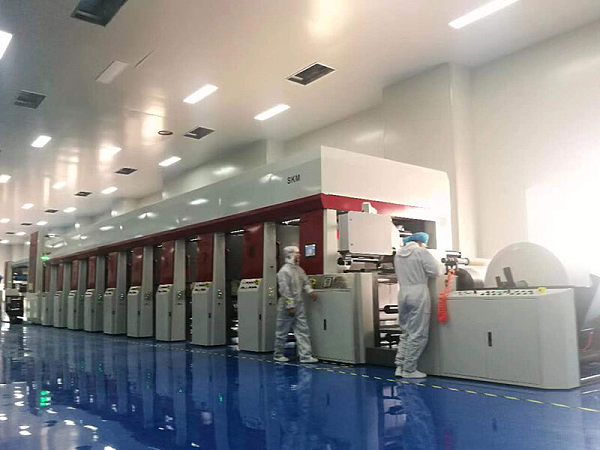
The Evolution of Efficiency in Paper Bag Printing
In today’s fast-evolving packaging industry, efficiency and print precision have become key competitive advantages. As a leading paper bag printing machine manufacturer, we deliver cutting-edge solutions designed to redefine output quality and speed. Whether comparing a paper bag flexo printing machine price or exploring the latest high speed paper bag printing machine models, our advanced Flexo printing machines are engineered to help modern plants achieve productivity breakthroughs and sustainable performance gains.
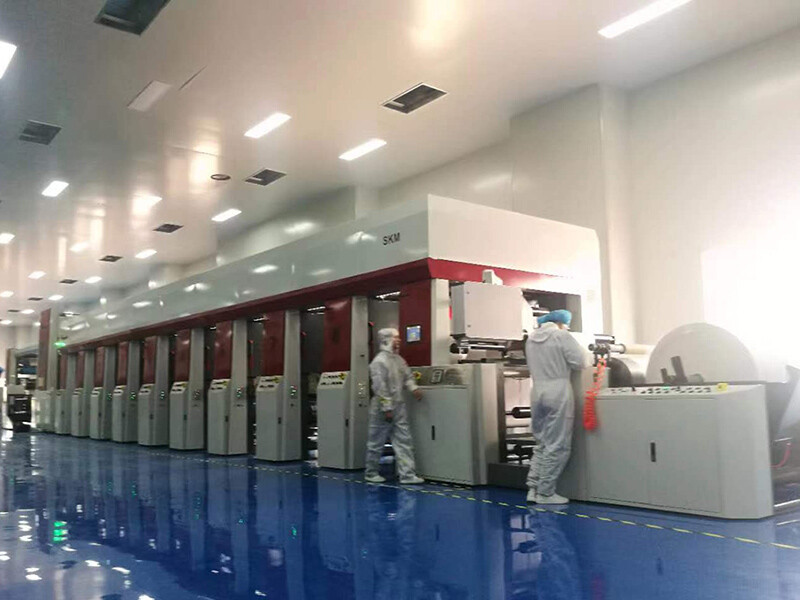
Over the last decade, packaging plants have faced unprecedented pressures from rising material costs, labor shortages, and sustainability mandates. Traditional paper bag printing machines, which once averaged 80 to 120 meters per minute, can no longer keep pace with production demands. In contrast, modern high speed paper bag printing machines now achieve speeds of up to 300 meters per minute, delivering nearly 2.5 times the output while maintaining consistent color registration within ±0.2 mm tolerance.
This leap in output capacity does not come from mechanical speed alone. It is the integration of servo-driven systems, precision tension control, and automated plate alignment that allows machines to sustain consistent performance during 24-hour operation cycles. The reduction in downtime between job changes—from 20–30 minutes to under 10 minutes—has become a measurable competitive advantage for plants producing mid-to-large volume runs.
Equally important is the shift in how operators interact with these systems. Touchscreen interfaces with multi-language support, real-time error visualization, and auto-cleaning ink chambers reduce operator fatigue and skill dependency. A typical plant can reduce manual calibration steps by 30–40%, releasing skilled operators to supervise multiple lines simultaneously.
These improvements are transforming the entire packaging production chain. As high speed paper bag printing machines become the new efficiency standard, even small and medium enterprises can meet shorter delivery cycles—often cutting lead times from 10–12 days to just 5–7 days per batch—without compromising print accuracy or design complexity.
Core Technological Drivers Behind Speed and Precision
Modern flexographic printing technology has evolved far beyond its mechanical origins. The most efficient paper bag printers today integrate digital automation, precision electronics, and eco-printing technologies. The synergy of these systems enables consistent operation at 200–300 m/min without introducing print banding or registration drift.
Key technological foundations include closed-loop tension control systems, servo-driven printing units, and modular drying tunnels rated between 60℃ and 120℃. These ensure precise ink transfer and uniform drying even for complex multi-color runs. Reduced deviation, often within ±0.3 mm, enhances output consistency across thousands of impressions.
Energy efficiency is another defining factor. Advanced drying systems with heat recovery can cut energy consumption by 15–25% per shift, a notable saving when operating continuously. The application of quick-change anilox sleeves also reduces changeover time, often from 15 minutes to under 6 minutes per color change.
Automation further supports process repeatability. PLC-controlled systems record color data and material tension profiles, enabling batch-to-batch calibration accuracy that manual processes cannot replicate. This is particularly important for converters printing more than 1,000,000 bags per month, where repeat orders require consistent branding standards.
Procurement Considerations for Decision-Makers
For purchasing officers and decision-makers, selecting a high-speed paper bag printing machine involves a careful balance between cost, performance, and reliability. While price per model can range from USD 50,000 to USD 200,000, evaluating added value in long-term operation is essential.
An effective evaluation framework should consider at least four criteria: printing speed, registration accuracy, ease of operation, and post-sale service. Plants producing over 10,000 bags per batch benefit most from inline drying and automatic tension modules, which can shorten the production loop by 20–25%.
Other key procurement metrics include maintenance intervals—usually between 1,000–1,500 operating hours—and spare part availability. Choosing a machine with a deployment time of 2–4 weeks and a training cycle under 5 days minimizes setup delays.
Maintenance, Safety, and Long-Term Operation
Once deployed, maintaining a high-speed paper bag printing line requires a structured maintenance schedule and trained personnel. Regular inspection cycles are usually set at 250 hours for cleaning and 1,200 hours for full system checks. Preventive maintenance not only extends component lifespan but also prevents unscheduled stops that could cost USD 500–1,000 per hour in lost output.
Safety systems built into modern machines include temperature monitoring of drying sections, automatic overload detection, and emergency stop redundancy. Ensuring compliance with IEC 60204-1 and CE certification standards is basic to minimizing occupational hazards.
To achieve reliable operation, plants should implement a 5-step maintenance framework:
Weekly cleaning of ink chambers and anilox rollers to prevent pigment buildup.
Checking and replacing tension sensors every 1,000 hours of operation.
Reviewing bearing lubrication cycles every 3 months (approximately 2,000 hours).
Verifying servo drive calibration and PLC firmware updates twice a year.
Conducting annual vibration and noise analysis to detect early mechanical imbalance.
Following such proactive steps can extend machine lifespan from 8 years to 10 years or more while preserving performance throughput at 95% of rated speed even in continuous production environments.
Future Trends and Integration with Smart Packaging Lines
Looking ahead, the next generation of paper bag printing machines will converge with smart manufacturing principles. Integration with ERP and MES systems allows real-time production analytics and predictive maintenance alerts. Around 60% of new installations worldwide already include data interface modules supporting OPC UA or Modbus protocols.
Predictive insights such as roll tension anomalies or color drift detection can trigger automatic corrections, further decreasing waste by up to 10%. Environmental sustainability also continues to guide innovation. Water-based inks, requiring lower VOC emissions and reduced drying energy, are becoming standard in 70–80% of new flexographic systems.
Manufacturers are expected to expand modularity as well, introducing hybrid lines where paper bag printing integrates directly with die-cutting, folding, and gluing modules. This inline architecture can reduce handling time by 40% and footprint space by 20 square meters per line.
Furthermore, we are seeing connectivity trends linking operator panels to cloud diagnostics. The ability to trace every batch, establish uptime records, and schedule service remotely is transforming supplier–user collaboration from reactive troubleshooting to predictive optimization.
Common Questions about High-Speed Paper Bag Printing Machines
How long is the typical installation period?
Standard installation takes 7–15 days depending on factory readiness and utility setup. Plants with preexisting flexo infrastructure can shorten commissioning to under 10 days.
What materials are most compatible?
Most modern units handle kraft paper thickness from 40 g/m² to 150 g/m². For laminated paper or biodegradable substrates, tension settings may need to be reduced by 10–15% to avoid tearing.
How often should calibration be done?
Automated calibration routines are recommended weekly for color and tension, and monthly for mechanical alignment. These short routines—usually under 20 minutes—help preserve long-term consistency across all print jobs.
Conclusion and Next Steps
High speed paper bag printing machines are redefining efficiency standards in modern packaging plants. With average throughput increases of 200–250%, reduced energy consumption by up to 25%, and setup time cuts of over 50%, they provide measurable value at every operational level. For production managers, this means better asset utilization; for procurement officers, faster ROI; for brand owners, consistent print quality across large volumes.
As a supplier specializing in flexographic printing machines, second-hand die-cutting machines, and paper bag printing equipment, we continue to deliver solutions customized to each plant’s speed and precision requirements. Our technical and after-sales teams ensure that every installation achieves full production potential within weeks.
To learn more about our high speed paper bag printing machines or request a tailored performance evaluation for your packaging plant, contact us today for expert consultation and equipment recommendations designed to elevate your production efficiency and print quality standards.
Contact Us Today to Get a Quote
WhatsApp:+8613863655370
Tel:+8613863655370
E-mail:Chris@bochuanpack.com