
What Affects the Paper Bag Flexo Printing Machine Price in 2026 and How Buyers Can Optimize Costs
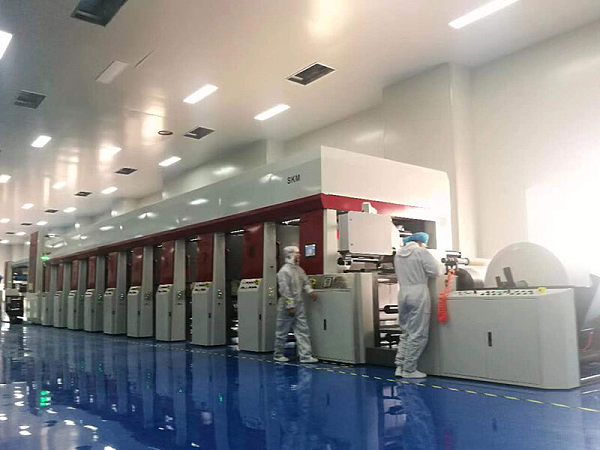
Key Market Drivers Influencing Paper Bag Flexo Printing Machine Prices in 2026
As the packaging and printing industry rapidly evolves, understanding what drives the paper bag flexo printing machine price in 2026 becomes crucial for manufacturers and buyers alike. Whether you are sourcing from a paper bag printing machine manufacturer or exploring high speed paper bag printing machine options, key cost factors such as technology upgrades, material costs, and production capacity will shape investment decisions. This guide reveals how to evaluate flexo printing machine pricing trends and optimize purchasing strategies efficiently.
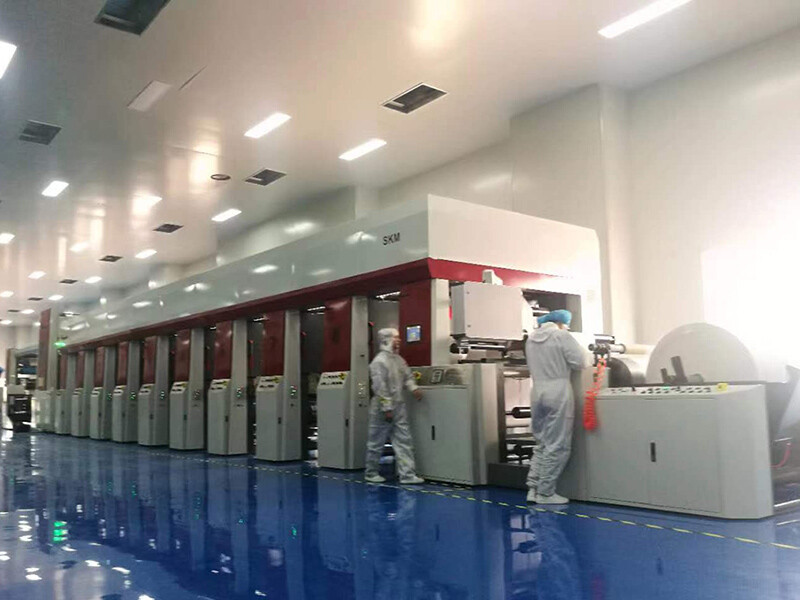
In 2026, several macro and microeconomic elements will continue to affect how flexographic printing machines for paper bags are priced. The balance between supply chain stability, eco-friendly materials, and smart automation technologies will shape the next pricing landscape. Buyers must prepare for a potential range of ±8–12% price fluctuations depending on regional manufacturing bases and the sophistication of press configurations.
Among the main influences are raw material cost trends, including steel and composite components that form over 35% of total machine cost. Moreover, the growing shift toward solvent-free inks and energy-efficient drying systems adds new cost layers in the design phase. Production capacity—from small 4-color units to wide 8-color rotary systems with speeds up to 200 m/min—creates a further distinction in price tiers.
Economic recovery cycles and energy price volatility across major manufacturing zones such as Asia-Pacific and Europe will also impact machine quotations. For instance, electricity price increases of 5–7% forecasted in 2026 may push operational costs higher, encouraging manufacturers to integrate more efficient servo-driven systems. The result: smarter but initially higher-cost equipment with longer ROI cycles.
Buyers evaluating new or second-hand die-cutting and paper bag printing machines should monitor at least four parameters: mechanical precision tolerance (±0.1 mm–±0.3 mm), ink transfer stability, registration accuracy, and lifetime maintenance cost ratio, which typically ranges between 2–4% of yearly operating cost. Understanding these quantifiable metrics enables rational negotiation and budgeting for 2026 acquisitions.
Technological Evolutions and Their Cost Implications
Technological advancement remains one of the most influential factors behind flexo printing machine pricing. Between 2024 and 2026, the market expects more integrations of digital registration systems, automated tension control, and predictive maintenance interfaces based on IoT sensors. These enhancements improve throughput by 15–25% but can add USD 8,000–15,000 to total equipment costs depending on configuration complexity.
Servo-driven architecture, already standard in mid-tier models, offers higher precision control and energy savings of up to 12%. However, its adoption requires greater capital investment in both hardware and technician training. As a result, buyers comparing a servo and a mechanical line shaft model may notice an average price gap of USD 10,000–20,000 for similar printing widths.
Environmental compliance technologies, such as low-VOC inks and UV-LED curing systems, have risen in demand due to stricter national standards on emissions. These eco-friendly features typically contribute 5–10% additional cost on base unit prices but can yield long-term savings in ink consumption and waste disposal. The machines aligning with CE and ISO9001 standards tend to maintain a resale retention value above 60% after three operating years.
Upgrading from manual plate mounting to automatic plate cylinder systems saves approximately 20 minutes per color change. Over a daily production schedule of 12–16 hours, that translates to roughly 8–10% efficiency improvement. Such quantifiable performance benefits justify part of the technology-linked price premium that buyers will encounter in 2026 procurement.
Supply Chain, Material, and Regional Pricing Variations
Supply chain resilience continues to be a major cost component influencing machine price in 2026. The global metal price index has shown 6–10% volatility year to year, directly impacting chassis and roller prices. A single square meter of treated steel plate can cost 15–20% more compared to pre-2021 baselines, raising equipment prices proportionally.
Regions with integrated component manufacturing, like East Asia, often achieve cost savings of 8–15% compared to import-dependent zones. Freight and tariff differences can add USD 1,500–3,000 per unit in intercontinental shipments. Buyers must factor in these logistical variables when comparing suppliers across countries.
Additionally, parts availability—geared rollers, ceramic anilox units (with 500–1,200 LPI options), and doctor blades—strongly determines after-sales maintenance cost. When spare part lead time exceeds 20 days, downtime loss could surpass USD 500 per day for medium-capacity converters producing 5,000–8,000 paper bags per hour.
Cost Optimization Strategies for Buyers
Optimizing the cost of acquiring a flexo paper bag printing machine requires strategic assessment beyond the purchase price. Total cost of ownership (TCO) analysis is essential. Typically, the initial purchase covers around 65–70% of lifecycle expenditure, with maintenance, consumables, and operator training accounting for the remainder.
Buyers can adopt a five-step approach to achieve cost optimization:
Define required production capacity (in bags/hour) and avoid over-specification which can increase cost by 10–20% unnecessarily.
Compare new and second-hand models, where refurbished units can offer 25–40% capital savings with similar output stability.
Negotiate inclusive packages covering installation, operator training, and first-year spare parts, reducing indirect costs within a 12-month horizon.
Evaluate vendor financing or leasing plans to spread budget load and maintain liquidity, especially for SMEs targeting capacity expansion.
Prioritize manufacturers with local service centers or certified dealers to decrease service call travel time by 30–50%.
Periodic preventive maintenance—recommended every 2,000–3,000 operating hours—reduces risk of unscheduled stoppages. Implementing predictive monitoring using sensor data ensures that lubrication and temperature levels remain within ±5% of optimal range, extending component life up to 20%.
Furthermore, buyers evaluating high speed paper bag printing machines should analyze productivity metrics such as print repeat length (250–1,000 mm) and substrate compatibility (kraft vs. laminated paper up to 200 gsm). Selecting a model with narrowly defined application focus can avoid overinvestment in multipurpose systems.
Common Procurement Mistakes and Risk Control
Procurement teams often overlook hidden cost variables that surface post-installation. One frequent error is focusing solely on print speed without verifying drying capacity alignment. A mismatch between machine speed (e.g., 180 m/min) and drying system air volume can result in 5–8% ink set-off losses, raising waste rates.
Another risk lies in underestimating electrical system specifications. Machines exceeding 40 kW power demand may require facility upgrades costing USD 2,000–4,000. Early-stage technical audits ensure smoother commissioning and compliance with on-site energy constraints.
Quality control errors can also emerge from insufficient anilox roller management. Using improper line counts may produce uneven coverage exceeding ±0.05 mm in print thickness deviation. Establishing calibration protocols every 6 months improves process stability significantly.
To navigate these pitfalls, procurement professionals should implement a structured risk control matrix considering at least five domains: supplier credibility, spare part accessibility, installation readiness, operator skill, and warranty response time. Continuous vendor evaluation over 12-month cycles helps sustain quality and budget goals.
Conclusion and Next Steps
The price of paper bag flexo printing machines in 2026 will continue to reflect the industry’s push toward automation, sustainability, and resource efficiency. Buyers who combine detailed technical evaluation with strategic sourcing and lifecycle budgeting can mitigate the effects of market volatility and gain competitive advantage.
Whether you represent a packaging converter, distributor, or enterprise evaluating long-term investment in printing capacity, partnering with a specialized manufacturer experienced in flexographic printing machines, second-hand die-cutting machines, and paper bag printing equipment ensures better technical alignment and value realization. Contact our technical team today to explore customized machine configurations, cost analysis, and after-sales service plans that align with your 2026 business goals.
Contact Us Today to Get a Quote
WhatsApp:+8613863655370
Tel:+8613863655370
E-mail:Chris@bochuanpack.com