
Comparing Flexo Printing Machine Options for Paper Bags: Which Configuration Improves ROI Most?
Comparing Flexo Printing Machine Options for Paper Bags: Which Configuration Improves ROI Most?
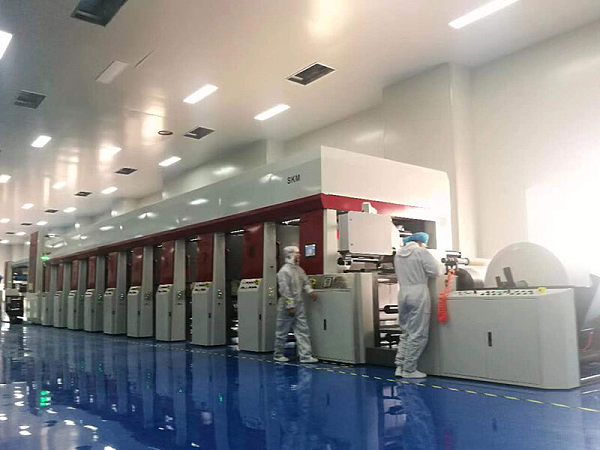
Investing in the right Flexo printing machine can make a significant difference in the profitability and efficiency of your paper bag production line. Whether you are comparing models from a leading paper bag printing machine manufacturer or analyzing the paper bag flexo printing machine price versus performance ratio, understanding how each configuration impacts ROI is key. This guide explores how high speed paper bag printing machine options and advanced Flexo printing machine technologies can help businesses maximize output while minimizing operational costs.
1. Understanding Flexo Printing Configurations and Their ROI Impact
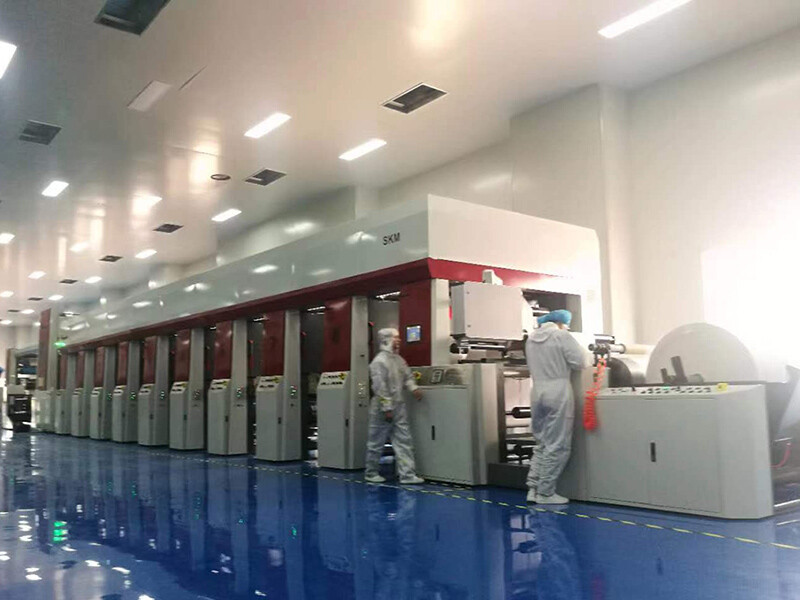
Flexographic (Flexo) printing machines vary in configuration, typically defined by color stations (2–8 colors), drying systems (hot air or UV), and web width capacity, usually ranging between 600 mm and 1600 mm. Each variation affects the investment level, operating cost, and output volume. For paper bag manufacturers, deciding between a 4-color and a 6-color configuration, or between manual and servo-driven registration, directly influences cost efficiency and product quality consistency.
From an ROI standpoint, the total cost of ownership often divides into three measurable categories: energy consumption (typically 5–20 kW per set), substrate waste ratio (3–7%), and printing speed capacity (100–250 m/min). High-speed units, though more expensive upfront, tend to outperform lower models due to their production throughput, which reduces amortization time from an average of 30 months to around 18–24 months under full-load operations.
Advanced features such as automated tension control, quick-change anilox rollers, and digital viscosity monitoring minimize material waste and labor input. These technologies emerge as major ROI drivers, especially for facilities with daily outputs exceeding 50,000 paper bags. The cost difference between standard and high-end Flexo machines can range from 15%–25%, yet productivity improvements often surpass 30% in consistent production scenarios.
2. Key Factors Influencing ROI in Flexo Printing for Paper Bags
Beyond speed and color count, ROI depends on six critical dimensions: machine uptime, consumable costs, maintenance frequency, operator training requirements, print defect rates, and compatibility with auxiliary equipment like die-cutting machines. Balancing these factors ensures a comprehensive evaluation rather than a one-dimensional cost analysis.
For instance, average uptime of top-tier servo Flexo machines reaches 92%–95%, versus 85%–88% for manual systems. The difference of 7% in uptime represents roughly 21 additional production days annually, assuming 8 hours daily operation. Similarly, auto-cleaning ink circuits can save up to 1.5 hours of downtime per color change, a substantial advantage for plants handling multiple SKUs daily.
Ink systems also play an ROI role: water-based inks require longer drying times (typically 5–8 seconds at 90 °C), while UV inks cure nearly instantly, enhancing production speed by up to 20%. The initial investment in UV drying modules usually ranges from USD 5,000–10,000, but can cut annual energy costs by 8%–12% depending on print volume and temperature conditions.
Maintenance frequency affects total cost of ownership. Servo systems often require a preventive maintenance interval of 800–1000 running hours, whereas conventional mechanical drives may need adjustments every 400 hours. Over a year, this can save 10–15 maintenance hours and reduce spare parts usage by more than 25%, directly contributing to ROI acceleration.
3. Choosing Between New and Second-Hand Flexo Machines
For many packaging producers, the question isn’t simply “which configuration,” but also “new or pre-owned.” A refurbished Flexo printing machine or second-hand die-cutting machine can lower acquisition costs by up to 40%, but it may lack the production speed and automation of a new servo-driven system. The ROI calculation must, therefore, include depreciation, repair risk, and spare part availability over at least a 3–5 year horizon.
When evaluating pre-owned Flexo units, focus on four aspects: anilox roller wear depth (typically acceptable within 3–5 µm tolerance), plate cylinder alignment, control system software version, and documented operating hours. Machines exceeding 20,000 hours of operation often exhibit increased registration drift beyond ±0.2 mm, impacting print quality and color consistency for high-end customers.
On the flip side, a properly refurbished unit with upgraded servo control can deliver performance comparable to new equipment at roughly 60% of the cost. ROI recovery time can range from 12 to 20 months depending on the production volume. For small converters or regional printers producing up to 30,000 bags/day, second-hand options provide a balanced cost-performance ratio.
For large-scale bag manufacturers operating multiple production lines, newer high-speed models reduce cumulative downtime and bring stronger system integration with automated die-cutting and stacking modules. This interconnectivity shortens workflow turnaround by 10%–15%, helping justify the higher initial expenditure.
4. Implementation and Maintenance Strategy to Sustain ROI
Achieving a strong ROI does not end at equipment purchase. Implementation and continued maintenance play decisive roles. A five-step integration process is recommended: site preparation, operator training, initial calibration, pilot run analysis, and performance benchmarking after the first 500 operational hours.
Operator proficiency impacts efficiency by up to 12% according to internal performance audits across similar plants. Structured training of 2–3 weeks, covering job setup cycles, ink density control, and automatic tension adjustments, reduces waste and downtime caused by operator error. Well-trained operators can achieve color match accuracy of ΔE ≤ 2.0 in over 95% of product batches.
Preventive maintenance should follow specific intervals: daily cleaning of anilox cells, weekly lubrication of gearboxes, and full inspection every 800–1000 hours. Recording performance deviations using a digital maintenance log helps detect potential failures before production loss occurs, typically preventing up to 20 hours of unscheduled downtime annually.
To maximize ROI, facilities may adopt data-driven monitoring systems that track ink consumption, print registration variability, and bearing temperatures. When applied with automated alerts, these systems reduce maintenance response time by 30–40%, ensuring stable long-term productivity and predictable operating expenses.
Step 1: Machine installation and power calibration (2–3 days)
Step 2: Operator and maintenance training program (2 weeks)
Step 3: Pilot run verification and test production (3–5 days)
Step 4: Regular maintenance interval definition (every 800 hours)
Step 5: Monthly performance review and ROI tracking
5. Common Mistakes in Flexo ROI Analysis and How to Avoid Them
A frequent error in paper bag printing machinery investment is overemphasizing unit price instead of total cost of ownership. Low-cost models can incur 20% higher operating expenses due to excess material waste, unplanned downtime, and higher defect rates. Decision-makers should build ROI models on measurable KPIs, including print quality, uptime percentage, and average job turnaround time.
Another mistake is overlooking scalability. When daily output grows from 25,000 bags to 60,000 bags, machines with limited web width or insufficient color registers rapidly become bottlenecks. Equipment scalability should always support at least 150% of current production capacity to prevent early obsolescence.
Procurement teams also need to avoid mismatched component sourcing—combining incompatible unwinder systems, for example, can lead to tension instability that reduces print precision by ±0.3 mm. Collaborating with experienced machinery suppliers who offer integrated solutions (Flexo printer + die-cutter + stacker) ensures system-level compatibility and better ROI predictability.
Finally, ignoring post-sale service agreements may inflate future costs. A well-structured service plan including two preventive visits per year and guaranteed 48-hour spare part delivery can save 5–8% of annual maintenance spend, securing stable ROI over 3–5 years of machine life.
6. FAQs: Practical ROI Evaluation in Flexo Machine Investments
How long does it usually take to achieve ROI from a Flexo printing machine?
Depending on configuration and workload, most paper bag printers achieve ROI in 18–30 months. High-speed 6-color or 8-color systems typically recover their cost 25% faster due to higher throughput and reduced labor hours.
Which configuration suits small vs. large production facilities?
Small-scale producers (below 40,000 bags/day) benefit from 4-color standard Flexo printers for cost control and territory flexibility. Large-scale manufacturers producing over 100,000 bags daily should consider servo-driven multi-color systems with automatic register correction to sustain quality and speed.
What maintenance plan ensures consistent ROI?
Implementing a structured preventive maintenance schedule—daily cleaning, weekly gear check, and quarterly calibration—extends machine service life by 15%–20%. Partnering with equipment providers offering remote diagnostic support further minimizes unscheduled downtime.
How does operator training impact ROI?
Operator competence directly links to waste reduction and color accuracy. Skilled teams can reduce makeready time by 20% and ink waste by 10%, improving profitability without additional hardware cost.
Conclusion and Next Steps
Selecting the right Flexo printing machine configuration for paper bags is an ROI-focused decision integrating technology, efficiency, and strategic foresight. As speed, automation, and material control technologies evolve, the differentiation between average and high-performance systems becomes increasingly ROI-defining. By aligning configuration type, maintenance discipline, and production goals, manufacturers can extend equipment life cycles and achieve sustainable profitability.
If your business is evaluating paper bag printing machine options or second-hand die-cutting machines, contact our technical consultants to receive a customized assessment tailored to your process, production scale, and budget expectations. Well-matched solutions today ensure measurable ROI growth tomorrow—reach out now for expert recommendations and technical support.
Contact Us Today to Get a Quote
WhatsApp:+8613863655370
Tel:+8613863655370
E-mail:Chris@bochuanpack.com