
How to Evaluate a Paper Bag Printing Machine Manufacturer Before Signing a Supply Contract
How to Evaluate a Paper Bag Printing Machine Manufacturer Before Signing a Supply Contract
Before investing in production equipment, understanding how to assess a paper bag printing machine manufacturer is essential for cost efficiency and long-term reliability. Whether you’re comparing a paper bag flexo printing machine price, evaluating a high speed paper bag printing machine, or considering a full Flexo printing machine line, knowing the key factors that define a trustworthy partner helps ensure consistent quality and performance in your packaging operations.
1. Understanding the Core Capabilities of a Paper Bag Printing Machine Manufacturer
Before any commercial commitment, businesses should map the technical scope of potential suppliers. A professional manufacturer does not simply assemble hardware; it integrates research, mechanical precision, and digital control technology. The paper bag printing market usually includes machines that handle 2 to 8 color flexographic printing, operate at speeds between 100–300 meters per minute, and adapt to paper thickness from 30–150 g/m². These quantitative measures help identify manufacturers with core R&D capacity rather than mere assemblers.
Evaluate whether the supplier designs its own printing cylinders, ink supply systems, and tension control mechanisms. If over 60% of the parts are independently produced or standardized with recognized brands, it reflects higher process control. A solid technical base means stable registration accuracy (±0.5 mm) and fewer unplanned shutdowns per 1,000 production hours.
It is also essential to verify certifications such as ISO 9001 (Quality Management) or CE compliance, which indicate adherence to manufacturing standards and safety norms. In this step, request process documentation, sample test print reports, and equipment calibration logs covering at least the last 12 months.
Beyond compliance, check whether the company actively invests 3–5% of annual revenue in product innovation. Continuous development in ink-drying methods, servo drive upgrades, and energy efficiency improvement demonstrates a long-term innovation orientation rather than short-term commercial focus.
The table below summarizes key assessment items for determining a manufacturer’s core capabilities.
2. Verifying Manufacturing Quality and Production Processes
The reliability of a paper bag printing machine depends heavily on component quality. High-precision cylinders, stable tension control frames, and precise ink pumps influence print consistency and durability. During evaluation, buyers should review the supplier’s assembly layout, where every production step—from metal cutting to final alignment—should follow measurable standards.
For example, a manufacturer that operates in a 5,000–10,000 m² facility with structured workshops for machining, painting, and assembly will likely maintain linear process flow. Questions to ask include: How often are CNC calibrations performed (ideally every 3–6 months)? What is the measured tolerance for roller runout (usually ≤0.02 mm)? Such details reveal whether “precision control” is a marketing term or operational reality.
Quality management systems should include at least three layers of inspection: incoming material test, mid-process inspection, and pre-shipment acceptance. A rejection rate lower than 1.5% indicates a stable supply chain. For flexo printing machine production, the number of QC checkpoints directly correlates with output consistency across 500+ unit batches.
In addition to mechanical quality, environmental and safety compliance (noise below 85 dB, VOC emissions under standard limits) affect the sustainability profile for global buyers. Evaluating these factors reduces the risk of customer audits or certification delays after machine installation.
3. Assessing After-Sales Service and Technical Support
After-sales service is often underestimated but accounts for up to 20–25% of total ownership cost over a 10-year machine lifespan. When evaluating manufacturers, analyze their service network coverage, spare parts availability, and response turnaround time. A responsive technical team that can support within 24 hours domestically and 72 hours internationally ensures minimal production disruption.
A structured support plan should include remote diagnostic capability through PLC access, operator training sessions that last at least 1–2 days per new installation, and comprehensive manuals. Assessing the number of dedicated engineers (ideally 1 service engineer per 50 active machines) gives insight into the brand’s service load capacity.
For global clients, multilingual documentation and online spare parts catalog reduce communication delays. Ensure that spare parts (like doctor blades, anilox rollers, UV lamps) are stocked for at least 5 years after purchase; this commitment reflects long-term reliability. Verify if periodic maintenance packages—such as quarterly inspection contracts—can be included at negotiated rates.
To make an informed judgment, compare service policies using structured criteria such as coverage, cost transparency, and technical capability. This approach allows procurement teams to assign measurable scores during bidding or supplier audits.
4. Evaluating Financial Stability and Contractual Safeguards
Beyond technology and service, the supplier’s financial health affects delivery security and risk exposure. Analyze their average annual revenue, export ratio, and warranty reserve policy. A manufacturer maintaining an annual turnover above USD 5 million and a debt ratio below 60% demonstrates stable operations.
From a contractual standpoint, always include lead time clauses—typically 45–60 days for standard machines and up to 90 days for customized configurations. Non-compliance penalties at 0.5%–1% of contract value per delayed week are common practice. These prevent schedule slippage and protect project timelines.
Payment structures also indicate a supplier’s flexibility. Typical schemes are 30% deposit, 60% before shipment, and 10% post-installation acceptance (within 30 days). The willingness to accommodate escrow or LC terms signals credit reliability. Before signing, confirm warranty coverage (at least 12 months or 2,000 operating hours) and spare parts responsibility.
Additionally, ensure the supplier lists intellectual property declarations for any proprietary software or control systems; this prevents legal uncertainties during retrofitting or software upgrades.
5. Comparing Technology Fit and Long-Term Cooperation Potential
An ideal manufacturer not only meets current production needs but also supports future upgrades. Check if its machine portfolio covers semi-automatic, fully automatic, and high-speed models, with capacity scaling from 50 to 300 bags per minute. This reveals whether your growth trajectory aligns with their product development roadmap.
Many advanced suppliers integrate intelligent tension control, automatic plate alignment, and digital ink management modules. Evaluate backward compatibility so that when upgrading a flexo printing line, existing components like unwinders or dryers remain usable, reducing reinvestment cost by 15–20%.
It is advisable to conduct pilot cooperation—procure one or two sets for initial validation. Within the first 3–6 months, analyze machine uptime ratio (target ≥ 95%) and waste rate (≤ 2%). If performance metrics match specifications, a multi-year supply agreement becomes viable and cost-effective.
Finally, long-term cooperation should emphasize innovation and co-development. Suppliers willing to adapt configurations for new biodegradable paper materials or water-based inks show readiness for emerging market needs in eco-friendly packaging.
6. Common Pitfalls and Practical Tips for Buyers
While selecting a paper bag printing machine manufacturer, procurement teams often encounter hidden issues. One is misjudging demo performance; demo machines are usually tuned at optimum conditions. Always request a real production visit processing at least 30,000 bags per day before final assessment.
Another risk is neglecting software compatibility. If the machine controls are from less common PLC brands, future integration with other automation lines may increase setup costs by 10–15%. Confirm hardware openness and communication protocols (such as Modbus or Ethernet/IP) before order confirmation.
Price comparison without total cost analysis can also mislead decision-makers. A machine priced 5% lower may have inferior drying efficiency, resulting in higher energy consumption over 10 years. Therefore, evaluate cost per unit output using parameters like energy use (kWh per 1,000 bags) and ink waste rate.
Below is a quick checklist buyers can reference during supplier evaluation:
Verify at least three client references with operational machines exceeding 12 months.
Request a complete BOM list to confirm component sourcing transparency.
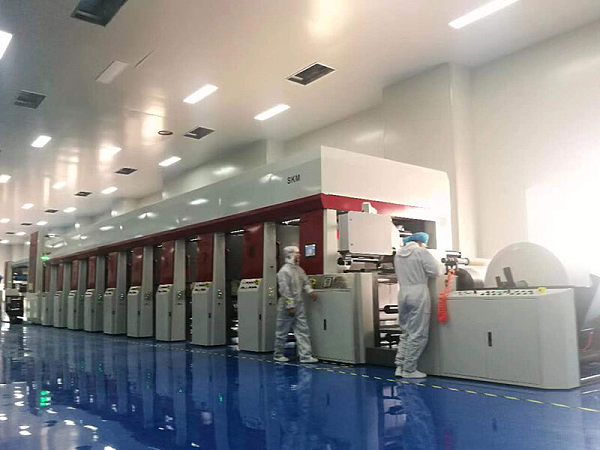
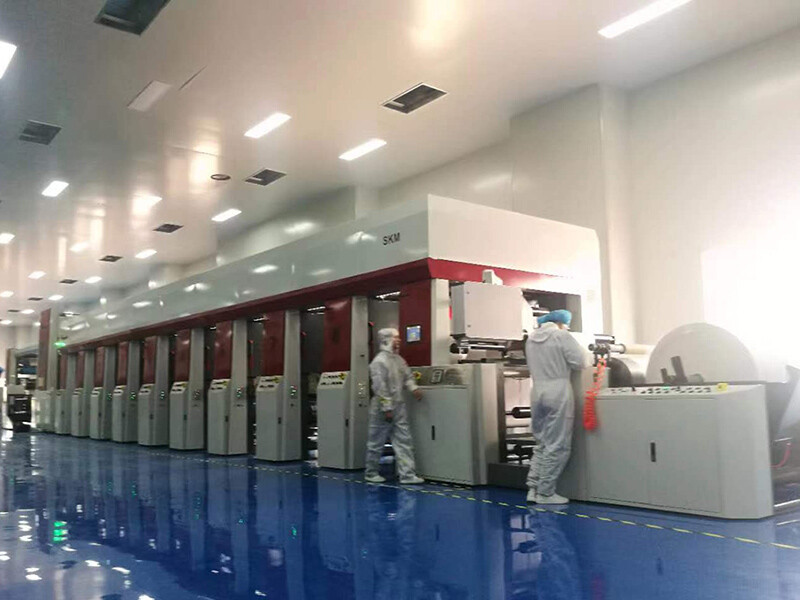
Inspect manufacturing facility with a focus on clean assembly areas and safety compliance.
Compare at least two cost scenarios over a 5-year period, including maintenance and spare parts.
Evaluate communication efficiency—average response time should be under 24 hours during negotiation.
Following these steps helps buyers mitigate procurement risk and ensures that the final contract leads to sustainable production performance.
Conclusion: Making an Informed Contract Decision
Selecting a paper bag printing machine manufacturer is a multi-dimensional decision involving technological, financial, and operational considerations. By systematically reviewing core technical capability, production quality, after-sales performance, and contract safeguards, businesses can minimize downtime, control budget deviations, and enhance packaging quality standards.
Reliable suppliers combine engineering depth with transparent service, resulting in high efficiency and low waste ratios throughout equipment lifespan. Whether your enterprise focuses on flexographic printing machines, second-hand die-cutting machines, or comprehensive paper bag printing lines, thorough evaluation before signing ensures every dollar invested converts into lasting productivity.
To discuss tailored printing solutions or request a detailed equipment proposal, contact our professional team for expert guidance on paper bag printing machine selection and implementation planning.
Contact Us Today to Get a Quote
WhatsApp:+8613863655370
Tel:+8613863655370
E-mail:Chris@bochuanpack.com