



NEWS
Key Risks of Using a Flexo Printing Machine
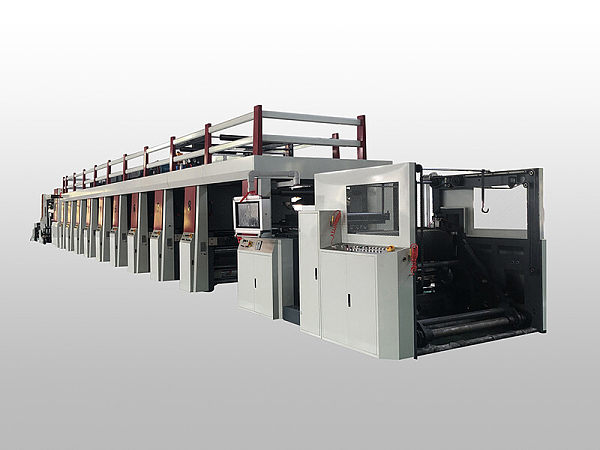
Key Risks of Using a Flexo Printing Machine
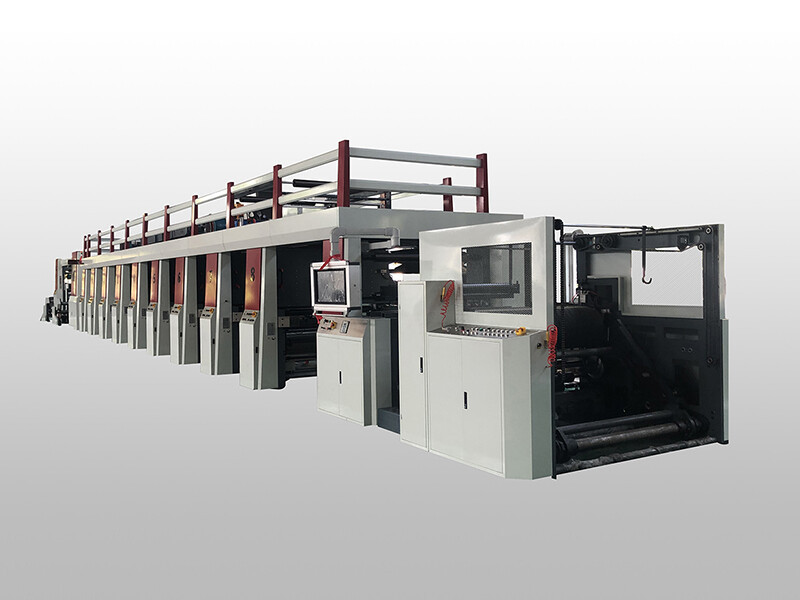
What are the risks of using a Flexo printing machine? The answer reaches beyond routine mechanical hazards in packaging printing.
Flexographic printing combines high-speed rollers, inks, solvents, tension systems, dryers, and registration controls. Each area can affect safety, quality, and productivity.
Understanding these risks helps reduce print defects, prevent downtime, and build safer production routines for labels, cartons, paper bags, and flexible packaging.
Basic Overview of Flexo Printing Machine Risk
A flexo printing machine transfers ink through an anilox roller, printing plate, impression cylinder, and substrate path.
The process is efficient, adaptable, and widely used for packaging films, corrugated board, paper bags, labels, and folding carton materials.
However, speed and repeatability create exposure points. Small setup errors can become safety events or costly print quality failures.
What are the risks of using a Flexo printing machine? They usually fall into four groups: mechanical, chemical, electrical, and operational risks.
Mechanical risks involve rotating rollers, nip points, cutting units, rewinding shafts, gears, and web tension zones.
Chemical risks relate to inks, cleaning agents, solvents, coatings, adhesives, and improper waste handling.
Electrical and thermal risks include control cabinets, sensors, servo drives, UV lamps, hot air dryers, and static electricity.
Operational risks include poor registration, incorrect pressure settings, contaminated anilox rolls, weak inspection routines, and unplanned maintenance.
Industry Background and Current Risk Signals
Packaging printing is under pressure to deliver shorter runs, cleaner graphics, faster changeovers, and stable color across repeat orders.
These market demands make flexo printing machine risk management more important, especially when equipment runs at higher speeds.
Second-hand equipment also requires careful inspection. Wear, outdated guarding, and inconsistent maintenance records can increase hidden hazards.
What are the risks of using a Flexo printing machine? In today’s packaging environment, the risks often appear through small warning signals.
Ignoring these signals can affect delivery schedules, customer approvals, material usage, and long-term equipment reliability.
Mechanical Hazards in High-Speed Operation
The most visible flexo printing machine risks come from moving parts. Rollers, gears, shafts, and unwind systems operate continuously.
Nip points between rollers can pull in gloves, tools, sleeves, or loose material within seconds.
Guarding should cover accessible rotating components, while interlocks should stop movement when protective covers are opened.
Rewind and unwind units also deserve attention. Improper roll loading may cause crushing injuries, roll collapse, or web instability.
Die-cutting, slitting, embossing, or laminating modules add further risk when integrated into packaging printing lines.
Check guards before startup and after maintenance.
Keep hands away from nip points during adjustment.
Use proper lifting equipment for heavy rolls.
Apply lockout procedures before cleaning or repair.
These controls are basic, but they directly answer a key part of What are the risks of using a Flexo printing machine?
Ink, Solvent, and Chemical Exposure
Flexographic printing uses water-based inks, solvent-based inks, UV inks, varnishes, and cleaning chemicals.
Each chemistry has different handling requirements. Incorrect storage or ventilation can increase inhalation, skin contact, and fire hazards.
Solvent-based systems require strict control because vapors may ignite near sparks, hot surfaces, or static discharge.
UV inks introduce other concerns. Uncured ink, lamp heat, and radiation exposure require proper shielding and protective procedures.
Chemical risk also affects print quality. Contaminated ink or unstable viscosity can cause pinholes, mottling, weak density, and poor drying.
Practical chemical control points
Label all ink, solvent, and cleaning containers clearly.
Store flammable liquids away from ignition sources.
Use ventilation near ink stations and wash areas.
Control viscosity, pH, and temperature during production.
Dispose of rags, waste ink, and residue properly.
What are the risks of using a Flexo printing machine? Chemical exposure is one answer that connects safety and print consistency.
Fire, Static, and Electrical Risk
Packaging substrates can build static electricity, especially films, light papers, and dry production environments.
Static may attract dust, disturb ink transfer, affect stacking, and create ignition risk around solvent vapors.
Grounding, antistatic bars, humidity control, and regular inspection help reduce this exposure.
Electrical cabinets and control systems also require maintenance. Loose wiring, damaged insulation, and overloaded circuits are serious hazards.
Dryers, UV curing systems, and heating units should be checked for temperature control, airflow, and safe shutdown function.
Fire prevention should include correct extinguisher placement, emergency exits, solvent storage rules, and documented inspection routines.
Print Quality and Production Efficiency Risks
Not every risk causes injury. Many risks create waste, customer complaints, and unstable packaging quality.
Poor plate mounting can cause registration errors, distorted graphics, and inconsistent repeat length.
Incorrect impression pressure can crush dots, reduce detail, and accelerate plate wear.
A dirty anilox roller may limit ink volume, creating weak color density and uneven coverage.
Drying problems can cause blocking, smearing, odor retention, and poor lamination or bag-making performance.
Web tension instability may create wrinkles, telescoping rolls, misregistration, and substrate stretching.
For packaging printing, risk control is not only compliance. It is also a practical route to predictable output.
Typical Risk Scenarios by Equipment Type
Risk patterns change with equipment layout, substrate type, and production purpose.
A paper bag printing machine may face dust, feeding, drying, and sheet handling issues.
A narrow-web label press may focus more on UV curing, fine registration, and die-cut waste removal.
A second-hand flexo printing machine should be evaluated for guarding, alignment, electrical condition, and spare parts availability.
What are the risks of using a Flexo printing machine? The most accurate answer depends on the press, substrate, and workflow.
Practical Recommendations for Safer Operation
A structured risk routine should begin before the first production run.
Pre-start checks should include guarding, emergency stops, air pressure, ink stations, web path, and dryer function.
During operation, monitor sound, vibration, temperature, odor, registration, tension, and ink stability.
After production, clean anilox rolls, remove ink residue, secure chemicals, and record abnormal observations.
Create a daily checklist for mechanical and electrical safety.
Schedule preventive maintenance for rollers, bearings, gears, and drives.
Use standard color targets and registration marks.
Train staff on lockout, chemical handling, and emergency response.
Document faults, repairs, setup values, and material changes.
Documentation makes risk visible. It also helps identify repeated faults before they become breakdowns.
For second-hand die-cutting machines or used flexo equipment, inspection should be more detailed.
Check frame condition, cylinder wear, control panels, replacement parts, and whether safety devices function reliably.
Business Value of Risk Control in Packaging Printing
Risk control supports more than safe operation. It improves order stability and reduces hidden production cost.
Lower defect rates reduce wasted substrate, ink, plates, solvent, energy, and labor hours.
Stable processes also improve repeat orders because color, barcode readability, and packaging appearance remain consistent.
A well-maintained flexo printing machine can support faster changeovers, fewer stoppages, and more reliable delivery.
Risk awareness is especially useful when selecting new or second-hand printing equipment.
Before purchase, evaluate production speed, substrate range, safety features, service access, and parts support.
Next Steps for Managing Flexo Printing Machine Risk
What are the risks of using a Flexo printing machine? They include mechanical injury, chemical exposure, fire hazards, quality loss, and downtime.
The practical response is not a single action. It requires inspection, training, maintenance, process control, and suitable equipment selection.
Start by reviewing current machines, recent defects, emergency stops, ink handling routines, and maintenance records.
Then compare findings with production goals for packaging films, labels, paper bags, or carton materials.
For new flexographic printing machines, second-hand die-cutting machines, or paper bag printing machines, request a clear technical evaluation.
A focused equipment review can reveal risks early and help match the press to real production requirements.
To move forward, prepare substrate details, print width, color count, speed target, drying needs, and finishing requirements.
With these details, a more reliable flexo printing solution can be assessed, selected, and operated with fewer avoidable risks.
Contact Us Today to Get a Quote
WhatsApp:+8613863655370
Tel:+8613863655370
E-mail:Chris@bochuanpack.com