
NEWS
How do maintenance gaps increase failure risks in flexo printing machines?
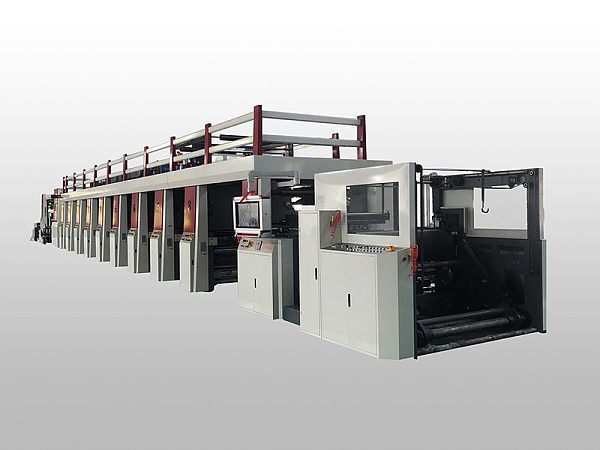
Maintenance Gaps Accelerate Degradation in High-Speed Flexo Lines
What are the risks of using a Flexo printing machine? Unaddressed maintenance gaps—such as skipped roller cleanings, delayed gear lubrication, or ignored sensor calibrations—significantly increase unplanned downtime, print defects, and catastrophic component failures. In high-speed packaging printing, even minor oversights compound rapidly, threatening job consistency, material waste, and operator safety. As specialists in flexographic printing machines, second-hand die-cutting machines, and paper bag printing systems, we see firsthand how preventive care directly impacts machine longevity and ROI. This article breaks down the critical failure pathways triggered by maintenance neglect—and how proactive servicing keeps your flexo line running at peak precision.
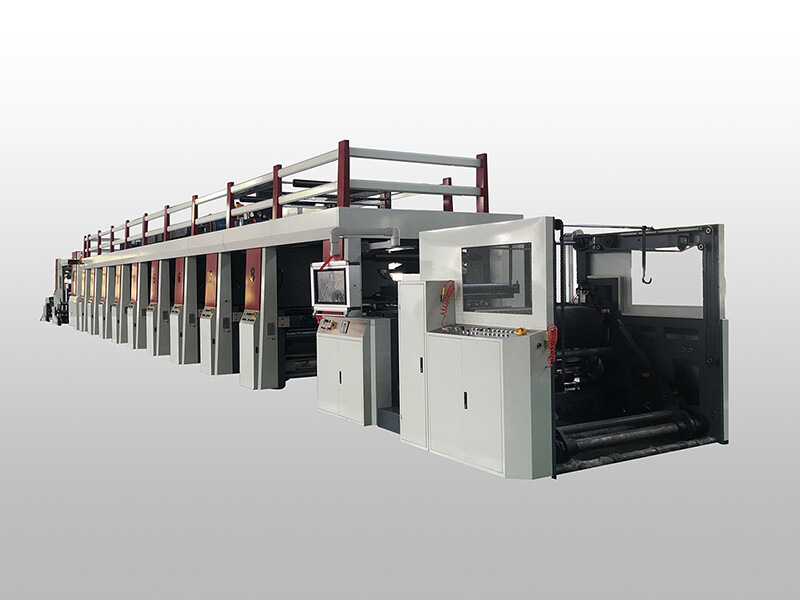
Why Packaging Printers Are Facing Shorter Uptime Windows
Modern flexo presses operate at speeds exceeding 400 m/min for corrugated board and 300 m/min for flexible packaging films. At these velocities, mechanical tolerances shrink to microns. A 0.02 mm ink buildup on an anilox roll alters volume transfer by up to 18%. A single misaligned doctor blade accelerates ceramic coating wear by 3×. These are not hypotheticals—they’re field-observed failure triggers.
The trend is clear: uptime erosion correlates directly with deferred maintenance cycles. Facilities reporting >15% annual unplanned stoppages consistently cite inconsistent cleaning protocols and calibration drift—not machine age—as root causes.
Four Critical Failure Pathways Linked to Maintenance Neglect
Ink System Contamination: Residual solvents and pigment agglomerates clog micro-engraved anilox cells. Result: inconsistent ink density, streaking, and premature cylinder replacement.
Gearbox & Drive Train Wear: Under-lubricated helical gears generate harmonic vibration. Over time, this induces bearing fatigue and servo motor encoder misalignment—causing registration errors >±0.15 mm.
Sensor Drift in Registration & Web Control: Photoelectric eyes and ultrasonic web guides degrade when exposed to dust and solvent mist. Uncalibrated sensors trigger false tension alarms or misfire cutoff commands.
Drying System Efficiency Loss: Accumulated ink overspray coats IR reflectors and UV lamp quartz sleeves. Heat transfer drops 22–35%, increasing energy use and risking substrate deformation or ink re-tack.
Five Non-Negotiable Maintenance Actions for Flexo Operators
Clean anilox rolls with ultrasonic tanks every 48 operational hours—not per shift change.
Lubricate main gearbox and impression roll bearings using ISO VG 220 synthetic oil—replaced every 1,000 hours or 6 months, whichever comes first.
Verify optical sensor alignment weekly using certified reference targets (not visual estimation).
Inspect drying system reflectors and lamp housings daily; replace quartz sleeves after 1,500 UV lamp hours.
Log all maintenance events in a centralized digital log—not paper binders—to identify recurring fault patterns.
Beyond Compliance: How Proactive Care Improves Total Cost of Ownership
A 2023 benchmark study across 47 European packaging converters showed that facilities adhering to manufacturer-recommended service intervals achieved:
41% lower spare parts expenditure over 3 years;
29% reduction in average job setup time;
17% improvement in first-pass yield for food-grade laminates;
Zero catastrophic failures requiring full press rebuilds.
These outcomes confirm that maintenance isn’t a cost center—it’s a throughput multiplier. What are the risks of using a Flexo printing machine? The greatest risk lies not in operation, but in assuming “it still runs” equals “it’s performing reliably.”
Next Steps: Audit Your Current Maintenance Discipline
Begin with a 30-minute walkaround audit. Ask:
Are lubrication points labeled and accessible without disassembly?
Is there a documented schedule for sensor calibration—with signed verification logs?
Do operators have quick-reference cleaning checklists mounted near each station?
When was the last thermal imaging scan performed on drive motors and gearboxes?
If more than one answer is “uncertain” or “not tracked,” your maintenance program is already widening failure risk exposure.
We support flexo users with OEM-aligned service kits, certified technician dispatch, and predictive maintenance analytics for legacy and modern presses. Contact us to request a free maintenance gap assessment—valid for any flexographic printing machine, second-hand die-cutting machine, or paper bag printing system in your facility.
Contact Us Today to Get a Quote
WhatsApp:+8613863655370
Tel:+8613863655370
E-mail:Chris@bochuanpack.com