
How to Optimize Cost and Print Quality with the Right Corrugated Box Pre‑Printing Machine Setup
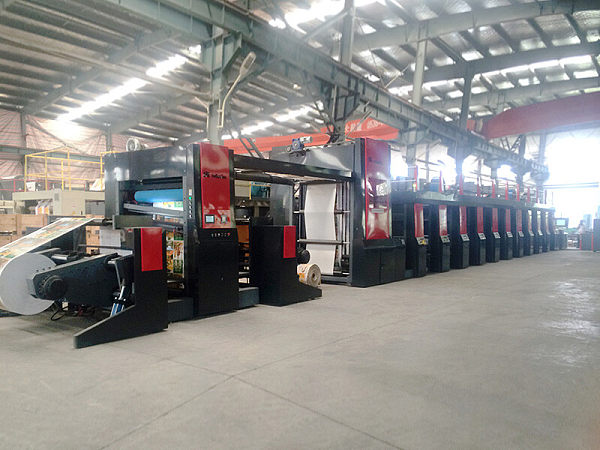
Choosing the right corrugated box pre‑printing machine setup is vital to balancing cost control and print quality. As a leading corrugated box pre‑printing machine manufacturer and exporter in China, we understand how flexographic printing machine innovations can enhance efficiency, reduce waste, and maximize production value. This guide explores practical strategies to optimize your workflow, improve color consistency, and achieve long‑term savings in corrugated box printing operations.
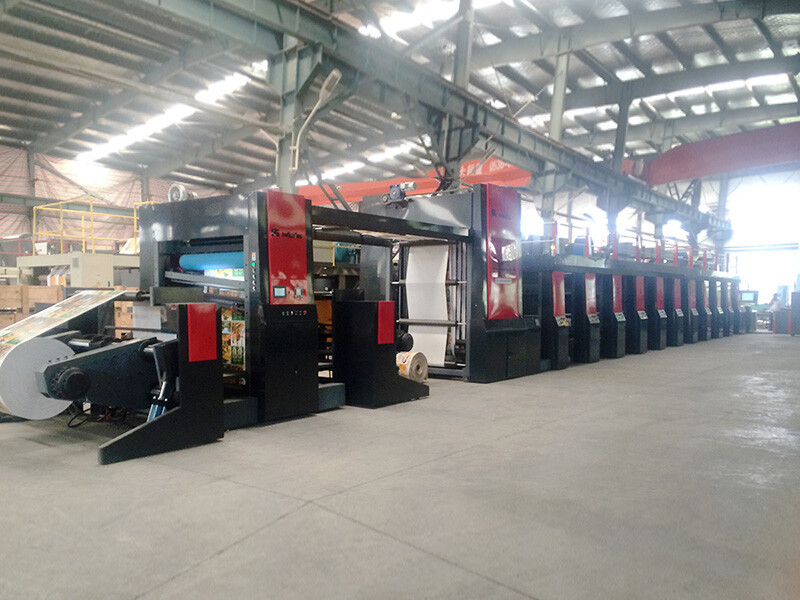
Understanding Corrugated Box Pre‑Printing and Its Industrial Impact
Corrugated box pre‑printing is widely used in packaging production where large‑scale color consistency and branding accuracy are critical. The process involves printing high‑quality graphics on liner paper before corrugation, ensuring better surface smoothness and vivid color reproduction compared to post‑printing methods. For enterprises handling 10,000–50,000 boxes per day, choosing the proper setup directly influences cost efficiency and customer satisfaction.
In the flexographic printing domain, machine configuration often determines both unit output cost and maintenance load. An optimized setup reduces ink waste by approximately 10–15% per batch cycle while lowering electricity consumption by 5–10 kWh for every 1,000 printed sheets. When scaled to weekly production of over 100,000 m², these incremental savings become substantial.
Operators, maintenance engineers, and purchasing managers need to align their priorities. Operators focus on color registration and drying speed, while decision makers appraise capital investment cycles and ROI. A planned pre‑printing configuration answers both sides by supporting color fidelity within ±0.3 ΔE and ensuring continuous running stability over 8‑12 hours of operation.
Global packaging standards increasingly emphasize recyclable, low‑VOC materials, driving the adoption of water‑based flexo inks in 70% of mid‑to‑large converters. For buyers, understanding compatibility between ink system, anilox roll line count, and substrate type is the first step to achieving predictable cost and quality outcomes.
How to Optimize Setup for Maximum Output Efficiency
Optimization involves both mechanical calibration and process coordination. Typically, it can be divided into 4 phases: installation and registration (2–4 days), test runs (1–2 days), parameter standardization (3 days), and stable production verification (1 week). Each stage contributes to long‑term reliability and predictable print results.
Key implementation measures include:
Calibrate tension controls every 80 hours of operation to maintain substrate feeding consistency within ±1 N.
Use viscosity meters to keep ink fluidity between 25–30 s (DIN 4 at 25 °C), preventing color shift and dot gain.
Schedule roller cleaning after every 40,000 m² print cycle to reduce clogging risks and defects.
Update servo control firmware quarterly to enhance registration algorithms and synchronization accuracy.
These routine actions can raise productivity by up to 12–18% in continuous operations. For organizations using second‑hand die‑cutting or legacy flexo equipment, integrating new pre‑printing controllers ensures smoother workflow connectivity and reduces manual setup time by roughly 20 minutes per job change.
In facilities producing multi‑SKU packaging, machine changeover frequency often reaches 5–10 times daily. Reducing each changeover by even 5 minutes saves nearly 1 hour per shift, equivalent to 4% output gain. The control system’s touchscreen UI and recipe storage features are valuable for maintaining color reproducibility across batches.
Common Mistakes and Technical Misconceptions
Many converters assume increasing color units automatically improves print quality. However, without corresponding ink control and tension management, adding colors may introduce misalignment beyond ±0.5 mm. Instead, focusing on plate making precision, proper anilox cylinder selection, and regular cleaning yields better results within identical configuration limits.
Another misconception concerns drying energy. Operators often raise temperature settings to compensate for humidity fluctuations, but this increases energy bills by 5–7% and may cause substrate warping. A balanced airflow system and periodic moisture calibration—checked every 2 weeks—solve the root issue more effectively.
Lastly, some purchasers underestimate the role of training. New staff onboarding should allocate at least 16–24 hours of operational practice under supervision. This small investment can reduce production waste ratios from 2.8% to under 1.5% within the first quarter, achieving measurable cost improvement.
Recognizing these mistakes allows companies to focus resources on calibrated process control, standardized maintenance, and measurable KPIs like color deviation, machine downtime, or ink return rates—all key metrics for packaging quality assurance.
Frequently Asked Questions
How long does installation of a corrugated box pre‑printing system typically take?
For a standard 6‑color flexo printer with 2000 mm width, mechanical installation averages 7–10 days, followed by 3–5 days of calibration, electrical testing, and operator training. Larger multi‑unit systems may extend the timeline to 3 weeks depending on factory layout and power supply readiness.
What maintenance frequency ensures stable print quality?
Preventive maintenance every 300 working hours is industry standard. It includes bearing lubrication, tension sensor inspection, and ink supply cleaning. Full overhauls are generally scheduled every 2500–3000 hours or once per year for high‑volume environments.
Can second‑hand die‑cutting or printing machines work with modern pre‑printing setups?
Yes. Integrating servo controllers and inline drying upgrades enables compatibility with most existing lines built after 2010. A technical evaluation period of 2–3 days can determine mechanical fit and required retrofitting within ±5 mm tolerance.
How is total cost reduction calculated across operations?
A well‑optimized pre‑printing setup may reduce ink waste by 10–15%, shorten changeovers by 20%, and cut energy usage by 8–10 kWh per 1000 m² printed. Combining these factors yields 5–8% overall unit cost savings, verified through monthly production data tracking.
Why Choose Us for Your Corrugated Box Pre‑Printing Solution
With a strong foundation in flexographic printing machines, second‑hand die‑cutting machines, and paper bag printing lines, our technical team provides complete consulting and configuration services for different production scales. We help clients assess machine performance, customize ink systems, and design cost‑controlled pre‑printing workflows aligned with ISO and CE safety standards.
We support technical evaluation, parameter confirmation, customization, and on‑site commissioning within 2–4 weeks depending on project complexity. Our after‑sales service ensures 48‑hour response time for maintenance requests and spare part arrangement. Whether you aim to upgrade existing lines or start a new packaging facility, our expertise ensures reliable production and optimized print economics.
To explore detailed specifications, discuss tailored solutions, or request sample testing, contact our technical consultants. We will assist in verifying equipment compatibility, estimating investment ROI, and planning cost‑effective corrugated box pre‑printing strategies that strengthen both quality and profitability.
Contact Us Today to Get a Quote
WhatsApp:+8613863655370
Tel:+8613863655370
E-mail:Chris@bochuanpack.com