
NEWS
How to Compare Paper Bag Printing Machine Manufacturers in 2026
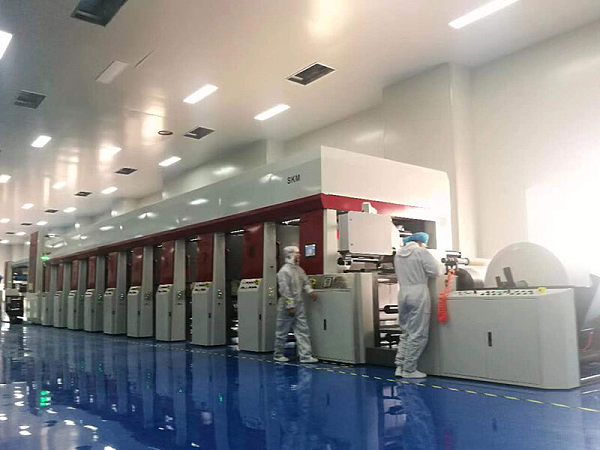
Choosing the right paper bag printing machine manufacturer in 2026 requires more than comparing prices or catalogs. For business evaluators in the packaging and printing industry, the real differences lie in print quality, machine stability, after-sales support, upgrade flexibility, and long-term return on investment. This guide will help you assess suppliers more strategically, especially when reviewing flexographic systems, paper bag printing equipment, and related converting machinery.
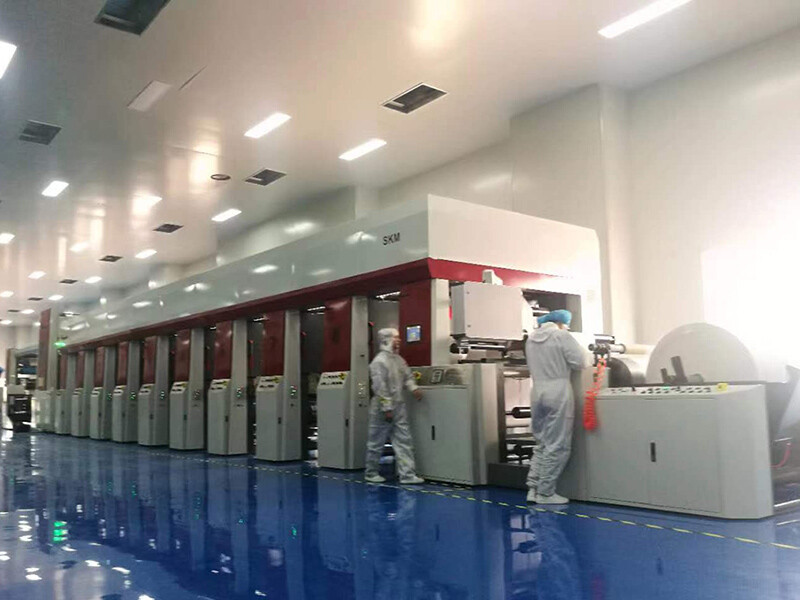
What Business Evaluators Actually Need to Compare in 2026
The core search intent behind evaluating a paper bag printing machine manufacturer is commercial decision-making, not technical curiosity. Buyers want to know which supplier can reduce risk and support profitable production.
For most business evaluators, the biggest concern is not simply machine availability. It is whether the manufacturer can deliver stable output, predictable service, and acceptable ownership costs over several years.
In 2026, comparison standards are also changing. Buyers increasingly expect machine makers to offer automation readiness, easier maintenance, shorter training curves, and compatibility with broader converting workflows.
That means a useful comparison should focus less on brochure claims and more on evidence. Ask what the machine can consistently produce, how often it stops, and how quickly problems get solved.
Start with the Manufacturer’s Real Production Strength
Not every supplier with a polished website is a true manufacturer. Some are trading companies, assemblers, or intermediaries. That difference matters when you need customization, spare parts, or long-term technical support.
Start by verifying factory capabilities. Ask for factory videos, production line details, machining capacity, assembly standards, and quality inspection processes. A serious paper bag printing machine manufacturer should show these clearly.
Look for proof of engineering depth. Does the supplier design key machine sections internally, or does it depend heavily on outsourced subsystems? Internal design ability usually means better consistency and faster technical response.
You should also review how long the company has worked in packaging and printing equipment. Experience in flexographic printing machines and related converting equipment often signals stronger process understanding and more practical machine design.
If possible, ask for references from buyers with similar production goals. A machine that performs well in a comparable application tells you far more than generic marketing language ever will.
Compare Print Quality in Terms That Affect Customer Orders
Print quality is one of the easiest things to claim and one of the hardest things to verify remotely. Business evaluators should connect quality metrics directly to saleable output and customer acceptance.
Ask for printed bag samples made on the exact model you are considering. Review ink consistency, color registration, edge sharpness, drying performance, and repeatability across longer production runs.
A strong manufacturer should explain what controls print quality: plate mounting accuracy, web tension stability, ink transfer consistency, drying system design, and operator interface logic. These factors affect actual production results every day.
Do not treat maximum speed as the main quality indicator. Many machines print acceptably at moderate speeds but lose registration or color stability when pushed closer to rated capacity.
Ask what quality level the machine can maintain at normal operating speed, not laboratory speed. That answer gives a better picture of real throughput and client satisfaction.
Machine Stability Matters More Than Peak Speed
For a business evaluator, machine stability often has a larger financial effect than headline speed. A faster machine that stops frequently may produce less sellable output than a slightly slower but steadier system.
Ask manufacturers about average uptime, common wear points, maintenance intervals, and known fault patterns. Reliable suppliers should discuss these areas honestly instead of promising trouble-free operation.
Also review the electrical and control system architecture. Machines built with widely available components often create fewer long-term headaches than systems using obscure or difficult-to-source parts.
Pay close attention to tension control, feeding stability, registration systems, and drying modules. In paper bag printing, these sections often determine whether the line performs smoothly over long shifts.
If the supplier offers live testing, ask to observe a longer run rather than a short demonstration. Stability shows itself through repetition, not through a carefully staged ten-minute sample session.
After-Sales Support Is Part of the Machine Value
Many procurement errors happen because buyers treat after-sales support as a secondary issue. In reality, service quality can strongly influence downtime, operator confidence, and total operating cost.
Ask where service engineers are located, what remote support tools are available, and how quickly critical spare parts can be dispatched. Response time matters more than broad promises.
You should also ask whether installation, operator training, and maintenance training are included. A machine with better onboarding often reaches stable production faster and wastes fewer materials during startup.
Good manufacturers usually provide service documentation, preventive maintenance schedules, wiring diagrams, and troubleshooting guidance. These resources help internal teams solve smaller problems without waiting for external intervention.
If your company operates across multiple shifts, ask how emergency support works outside normal business hours. Production losses rarely happen at convenient times, so support structure should match operational reality.
Evaluate Upgrade Flexibility and Lifecycle Fit
In 2026, buyers should compare not only current machine specifications but also future adaptability. Packaging demand, print requirements, and labor realities can change faster than equipment depreciation cycles.
Ask whether the machine platform can support later upgrades in automation, drying configuration, tension control, inspection systems, or stacker integration. A flexible platform can extend useful life significantly.
This is especially important if your business expects to move from shorter runs to mixed-volume production, or from simpler graphics to higher visual standards in branded paper packaging.
A capable paper bag printing machine manufacturer should be able to discuss machine evolution, not just initial delivery. The right partner helps you protect investment as your production model changes.
For some buyers, a strategic mix of new and pre-owned assets may also be worth exploring. In selected cases, equipment such as Used Fast1650 can support capacity planning when evaluated carefully within a broader workflow strategy.
Look Beyond Purchase Price to Total Cost of Ownership
Price comparison is necessary, but it should never be the only decision tool. The lower quotation may lead to higher costs through setup waste, slower speed, inconsistent quality, or weaker service support.
Build a total cost of ownership model that includes installation, training, spare parts, ink efficiency, labor needs, expected waste, preventive maintenance, and likely downtime over three to five years.
Energy consumption and changeover time also deserve attention. A machine that saves labor and reduces setup waste can outperform a cheaper alternative surprisingly quickly.
Ask the manufacturer to provide realistic productivity assumptions. Then challenge those assumptions using your own operating conditions, order structure, staffing level, and quality expectations.
This approach helps business evaluators move from headline pricing to investment logic. It also creates a clearer internal case when presenting recommendations to finance or senior management.
Assess Whether the Supplier Understands Your Application
The best manufacturer for one buyer may not be the best for another. Industry fit matters because paper bag production requirements vary by substrate, bag format, order volume, and branding expectations.
Ask what types of paper bags the supplier’s machines commonly handle. Review examples involving kraft paper, food-service bags, retail shopping bags, and other relevant applications tied to your market.
You should also ask about substrate ranges, ink systems, registration tolerance, and line integration with downstream bag-making or converting processes. These details reveal whether the supplier understands production realities.
Manufacturers with experience in flexographic printing machines and related equipment often provide stronger process advice because they see how printing performance affects the next production stages.
If your buying decision involves multiple equipment categories, supplier breadth can become useful. A company familiar with printing, die-cutting, and converting workflows may offer more practical recommendations than a narrow specialist.
Use a Structured Comparison Scorecard
To avoid subjective decisions, create a scorecard before final evaluation. This keeps internal discussions focused on measurable factors instead of being influenced mainly by sales style or visual presentation.
Your scorecard can include machine quality, print consistency, uptime expectation, service structure, spare parts availability, training quality, upgrade potential, reference cases, delivery reliability, and total cost of ownership.
Assign weighted importance based on business priorities. For example, a buyer serving premium retail packaging may prioritize print quality, while a high-volume converter may emphasize uptime and changeover speed.
It is also helpful to include risk factors. These may cover dependence on proprietary parts, unclear service commitments, limited documentation, or weak evidence of successful installations.
If useful, include one pre-owned or alternative asset pathway in your model. In some procurement scenarios, options like Used Fast1650 can serve as comparison points for investment timing and capacity planning.
Warning Signs That a Manufacturer May Not Be the Right Choice
Some red flags appear early if you know where to look. One common warning sign is vague technical communication. If answers are generic, the supplier may lack real engineering support.
Another concern is unwillingness to discuss service response, spare parts lead times, or common maintenance issues. Strong manufacturers know buyers need transparency, especially for commercial evaluation.
Be cautious if every machine claim sounds perfect. No equipment is ideal in every production setting. Credible suppliers usually explain strengths, limits, and the conditions required for best performance.
Inconsistent sample quality, poor demonstration planning, and missing customer references should also lower confidence. These gaps often indicate uneven execution behind the marketing narrative.
Finally, if quotation details are unclear, future disputes become more likely. Make sure scope, training, installation, consumables, warranty, and service terms are fully defined before comparing offers.
How to Make the Final Decision with Confidence
The best decision usually comes from balancing technical suitability, commercial logic, and supplier reliability. Business evaluators should not ask only which machine looks strongest today, but which partnership looks safest over time.
If two manufacturers appear similar, the tie-breakers are often practical ones: responsiveness, documentation quality, openness during testing, and the ability to support future production changes.
A reliable paper bag printing machine manufacturer should help you understand risk, not hide it. The more clearly a supplier explains performance boundaries and support structure, the easier it becomes to trust the offer.
Before approval, validate assumptions with sample reviews, service clarification, customer references, and ownership cost estimates. That final discipline can prevent expensive mistakes later.
In short, the smartest comparison in 2026 is not about finding the cheapest machine. It is about selecting the manufacturer most capable of delivering dependable output, manageable risk, and lasting business value.
Contact Us Today to Get a Quote
WhatsApp:+8613863655370
Tel:+8613863655370
E-mail:Chris@bochuanpack.com