
NEWS
Hidden Costs That Change the Price of a Flexo Printing Machine
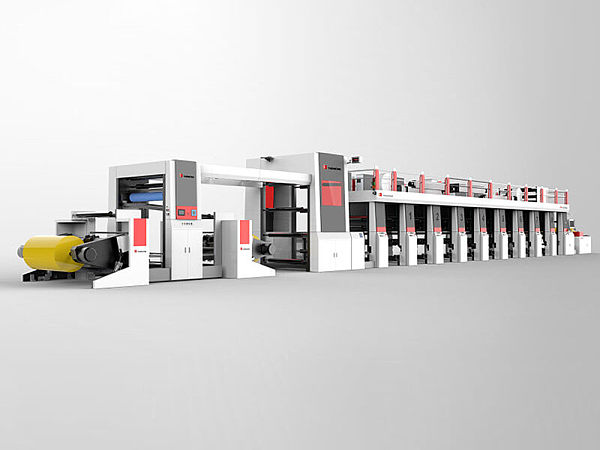
When evaluating equipment budgets, many buyers ask, How much does a Flexo printing machine cost? The answer goes far beyond the initial quote. For financial decision-makers in packaging printing, hidden expenses such as installation, operator training, maintenance, tooling, and downtime can significantly affect total investment. Understanding these cost drivers is essential before comparing new flexographic presses, second-hand die-cutting machines, or paper bag printing equipment.
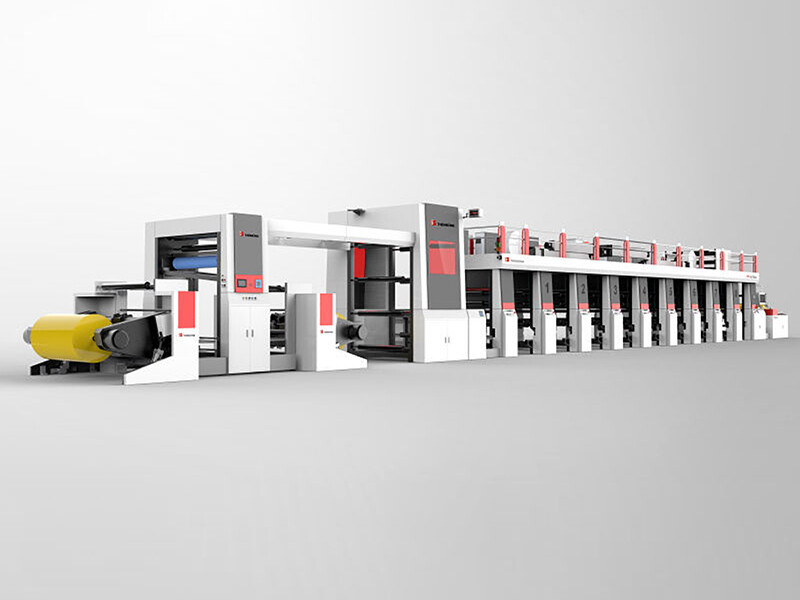
Why cost changes by business scenario matter more than the list price
In packaging printing, the same machine can produce very different financial outcomes depending on where and how it will be used. A narrow-web flexo press for labels, a mid-width machine for paper packaging, and a press integrated into a paper bag production line may all appear comparable at first glance, yet their real ownership costs are shaped by job mix, substrate range, labor skill, maintenance discipline, and expected uptime.
That is why the question, How much does a Flexo printing machine cost?, should be approached as a scenario-based budgeting exercise rather than a simple equipment quote comparison. For finance approvers, the key issue is not only purchase price, but also whether the machine fits the production environment, order structure, and payback expectations of the business. A cheaper machine in the wrong application can become the most expensive option over time.
Scenario 1: Short-run packaging jobs where setup cost can outweigh machine price
If your plant handles many SKU changes, seasonal packaging, or private-label work, the purchase decision should focus on setup efficiency rather than maximum speed alone. In this environment, hidden costs often come from plate changes, ink adjustments, substrate testing, and make-ready waste. Even when asking How much does a Flexo printing machine cost?, the better question may be how much each job change costs in labor and scrap.
Machines with easier registration control, faster sleeve exchange, and more stable tension systems may carry a higher initial quote, but they usually reduce recurring waste. For finance teams, that means lower per-order conversion cost and more predictable margins on short-run work. Choosing a cheaper press with slower setup can quietly erode profitability across hundreds of small jobs.
What finance approvers should verify in this scenario
Ask for average setup time, substrate waste during changeover, plate and anilox compatibility, and the number of operators required per shift. These data points often reveal more about true cost than the machine quotation itself. If the machine will also feed downstream converting, delayed setup may affect the utilization of die-cutting or bag-making equipment as well.
Scenario 2: Long-run production where downtime becomes the biggest hidden expense
For factories printing repeat designs at high volume, uptime matters more than changeover speed. In this case, How much does a Flexo printing machine cost? should include the financial impact of stoppages, component wear, and maintenance intervals. A one-day breakdown during peak order periods can cost far more than a difference in initial purchase price.
This scenario is common for corrugated packaging, food packaging sleeves, and standard retail transport packaging. Hidden costs often appear in the form of bearing replacement, drying system service, tension control calibration, and emergency spare parts. If local service is weak, a seemingly affordable machine can create serious working capital pressure through missed deliveries and overtime recovery.
For long-run operations, financial review should include preventive maintenance budgets, recommended spare parts inventory, energy consumption, and realistic annual uptime assumptions. These costs are not optional. They are part of the machine’s actual operating profile.
Scenario 3: Paper bag printing projects where line integration changes total cost
In paper bag manufacturing, the flexo press is rarely evaluated in isolation. The machine must match unwinding, drying, slitting, folding, and bag-forming stages. Here, the question How much does a Flexo printing machine cost? expands into a line-level analysis. Registration consistency, drying performance, substrate compatibility, and output synchronization all affect whether the whole system runs efficiently.
A finance approver should be cautious when a machine appears inexpensive but requires custom adaptation to fit an existing paper bag printing line. Hidden costs may include control modifications, electrical upgrades, extra web guiding units, commissioning delays, and operator retraining. The more interfaces involved, the more likely unforeseen integration expenses will appear after delivery.
This is also the scenario where supplier experience matters greatly. Companies that specialize in flexographic printing machines, second-hand die-cutting machines, paper bag printing machines, and related printing equipment can often identify interface risks early and help reduce later cost escalation.
Scenario 4: Buying used or second-hand equipment to reduce capital expense
Many packaging printers consider used equipment to protect cash flow. This can be financially sound, but only if technical due diligence is strong. In the used market, How much does a Flexo printing machine cost? is incomplete unless it includes refurbishment status, controller age, spare part availability, roller condition, and historical maintenance records.
The same logic applies when comparing second-hand die-cutting machines with a used flexo press as part of a wider plant upgrade. Lower capital expenditure can be attractive, yet hidden costs may arise from shipping damage risk, missing manuals, replacement electronics, or the need to standardize operator practices across old and new equipment.
In this scenario, the best protection for finance teams is to request inspection reports, test-running evidence, a parts replacement list, and a clear statement of what is included in commissioning support. Used equipment should be measured by remaining value, not just low entry price.
The hidden cost categories that most often change approvals
Across all scenarios, several cost items repeatedly reshape budget decisions:
Installation and commissioning, including electrical preparation, air supply, layout changes, and travel expenses.
Operator training, especially when moving from older manual systems to more automated controls.
Tooling such as plates, sleeves, anilox rollers, doctor blades, and wash-up systems.
Substrate trial waste during start-up and process stabilization.
Maintenance and spare parts, including local stocking strategy and lead times.
Downtime cost, which includes lost output, delayed shipments, overtime, and customer service impact.
Integration cost with converting lines, inspection systems, and downstream finishing equipment.
For decision-makers, these categories often determine whether projected ROI is realistic. A machine with a moderate quote but lower operational disruption may outperform a cheaper alternative over three to five years.
Common misjudgments in packaging printing purchase decisions
One common mistake is comparing machines only by speed and base price. In reality, speed has limited value if jobs are short, operators are inexperienced, or the rest of the production line cannot keep up. Another misjudgment is assuming all flexo machines have similar serviceability. Maintenance access, control system age, and parts standardization vary widely and can change ownership cost significantly.
Finance teams also sometimes underestimate the importance of process stability. In packaging printing, minor registration drift or inconsistent ink transfer can lead to higher reject rates, customer complaints, and hidden rework cost. These are not just production issues; they directly affect profit quality and cash conversion.
FAQ for financial decision-makers
How much does a Flexo printing machine cost?
The real answer depends on format size, automation level, application, new or used condition, and after-sales scope. For budgeting, always add installation, tooling, training, maintenance, and downtime assumptions to the quoted machine price.
Is a cheaper used machine always the better financial choice?
No. It can be the better choice only if condition, supportability, and application fit are verified. Otherwise, repair and lost-output costs may eliminate the initial savings.
Which scenario creates the highest hidden cost risk?
Usually, integration-heavy projects and high-volume operations carry the greatest hidden cost exposure, because downtime and incompatibility affect multiple processes at once.
Final decision guidance based on your operating scenario
If your business focuses on frequent SKU changes, prioritize setup efficiency and waste reduction. If your plant runs long production cycles, prioritize uptime, service support, and preventive maintenance planning. If you are expanding a paper bag or converting line, focus on compatibility and commissioning risk. If capital control is the main goal, a used machine may be suitable, but only with strong inspection and clear support terms.
So, How much does a Flexo printing machine cost? For packaging printing companies, the honest answer is that cost depends on the scenario, not only the specification sheet. The best purchasing result comes from matching equipment to workload, staffing, line structure, and expected return period. Before approval, compare options using total cost of ownership, not quote price alone. That is the most reliable way to protect budget quality and avoid expensive surprises after the machine arrives.
Contact Us Today to Get a Quote
WhatsApp:+8613863655370
Tel:+8613863655370
E-mail:Chris@bochuanpack.com