
How to Choose the Right Flexographic Printing Machine for Paper Bags in 2026: Key Specs and ROI Insights
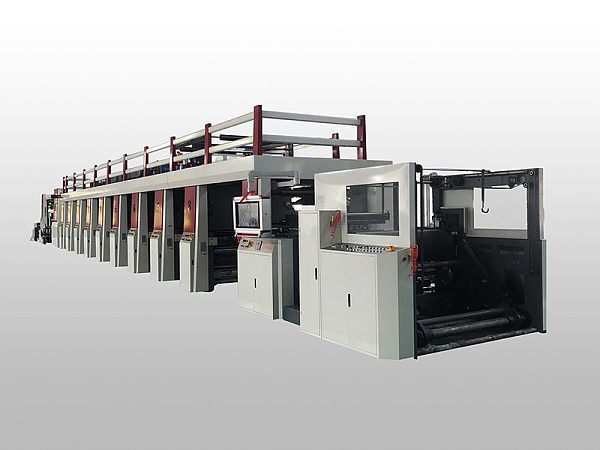
Choosing the right flexographic printing machine for paper bags in 2026 is crucial for achieving optimal quality, efficiency, and return on investment. Whether you are evaluating a new Flexo printing machine, exploring options from a reputable paper bag printing machine supplier, or comparing high-speed flexographic printing machine exporters, understanding key specifications and ROI factors will guide you toward a smart purchase decision. This article helps decision-makers and operators uncover essential insights before investing. In today’s competitive packaging and printing industry, the right equipment determines not only production capacity but also impacts cost, environmental compliance, and brand reliability. Businesses engaged in paper bag production—whether for food packaging, retail carriers, or customized branding—must consider both the printing precision and economic sustainability of their equipment. Flexographic technology continues to evolve rapidly, integrating automation, web inspection, and energy-efficient drying systems. These innovations redefine productivity targets and ROI benchmarks. Therefore, understanding how to evaluate the correct configuration, supplier reliability, and technological adaptability is fundamental. This article provides comprehensive insights for technical assessors, business managers, and financial decision-makers aiming to make a data-driven purchase decision that aligns with operational objectives and market trends.
Key Specifications to Evaluate Before Purchase
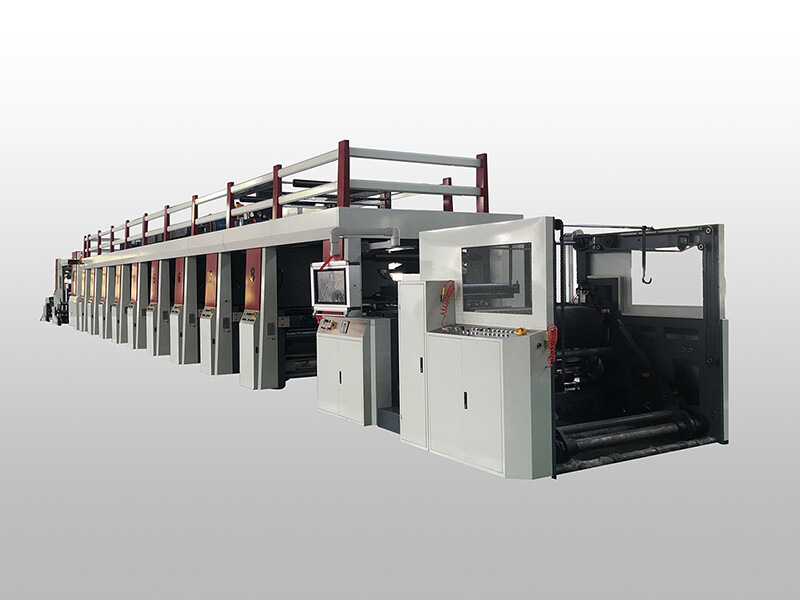
When assessing a flexographic printing machine for paper bags, potential buyers should concentrate on several critical specifications that directly influence print quality and long-term value. The first important factor is the printing width and repeat length range. For paper bag manufacturers handling multiple sizes, a flexible range ensures greater application diversity without frequent mechanical adjustments. Secondly, pay attention to the number of color units and the drying method—commonly hot air, infrared, or UV curing. Each method impacts ink adhesion, energy consumption, and material compatibility differently. For example, environmentally conscious operations may opt for solventless or water-based inks supported by optimized drying systems. Another core element is the machine’s mechanical speed. A high-speed flexographic printing machine exporter typically highlights models running above 150 m/min, but real productivity depends on how consistent printing stability is maintained at that pace. Additionally, tension control systems, registration accuracy, and gearless servo-driven design help achieve sharper color registration, reducing material waste. The choice between stack, central impression (CI), or in-line configurations also shapes machine performance, influencing substrate thickness range and image clarity. In parallel, it’s essential to evaluate the printing plate material and mounting technology, as modern photopolymer plates enhance detail and minimize setup time. By comparing these specifications from different paper bag printing machine suppliers, buyers can form a clear understanding of which model delivers not just speed, but consistent quality output aligned with production needs and budget limitations.
Operational Efficiency and Technology Trends in 2026
In 2026, operational efficiency in flexographic printing machinery is no longer solely defined by output speed. It integrates automation intelligence, digital monitoring, and sustainability-driven technology. Modern Flexo printing machines include programmable logic controllers (PLC) combined with touch-screen interfaces for precise tension adjustment, ink viscosity monitoring, and web guiding automation. This minimizes operator intervention while maintaining repeatable performance. Remote diagnostics and IoT-enabled connectivity allow manufacturers and suppliers to monitor performance data, predict maintenance intervals, and reduce downtime. From an energy-saving perspective, switching to servo-driven systems not only enhances precision but also reduces energy costs by up to 20% compared with conventional geared motors. Another rising trend is hybrid integration—linking flexographic systems with digital inkjet modules for variable data or short-run customization. This offers paper bag producers flexibility to meet both high-volume and personalized market segments. Furthermore, environmental regulations influence ink formulations and substrate choices. Water-based and biodegradable inks are being adopted widely to comply with sustainability certifications. As a result, when selecting a flexographic printing machine for paper bags, factoring in compliance standards such as ISO 14001 or local environmental emission regulations ensures long-term adaptability. Strategic evaluation of these new technologies, coupled with consistent supplier support, enhances machine uptime, reduces operational cost, and ensures durability against production fluctuations. Embracing these shifts early enables manufacturers to remain competitive while achieving eco-efficient operations that align with client expectations in the global packaging arena.
ROI Assessment: Balancing Cost, Output, and Maintenance
Understanding the return on investment (ROI) of a Flexo printing machine goes beyond the initial purchase cost. It involves analyzing the overall equipment effectiveness, print run flexibility, maintenance frequency, and consumable expenses over time. Key ROI indicators include production throughput per shift, waste ratio, and downtime percentage. Machines built with automatic ink supply systems and closed-loop registration adjustment help achieve faster setup and reduce start-up waste, directly improving cost-efficiency. Additionally, modular design enables future expansion, extending the lifespan of the machine and protecting long-term capital value. Maintenance also plays a pivotal role: gearless servo systems reduce mechanical wear, and quick-release anilox sleeves save setup time. Evaluate whether the paper bag printing machine supplier provides 24/7 technical support or remote firmware upgrades—these aftersales capabilities contribute greatly to operational continuity. When budgeting, procurement teams must consider not only depreciation but also utility consumption and operator training. A high-speed flexographic printing machine exporter offering operator-specific training modules helps shorten the learning curve, translating into consistent quality production. ROI estimation should also factor in market opportunities created by advanced features such as multi-color configurations or quick ink changeovers, which enable entry into premium printing segments. In short, selecting a flexographic printing machine for paper bags should not focus solely on price but also on lifecycle performance, reliability, and the total cost of ownership. This approach helps align financial expectations with operational realities and ensures sustainability in investment returns.
Supplier Evaluation and After-Sales Support
A reliable paper bag printing machine supplier serves as an essential strategic partner, not merely a vendor. Evaluating suppliers involves examining their manufacturing experience, technical service capability, spare parts availability, and network presence. A trustworthy supplier often acts as a high-speed flexographic printing machine exporter with strong international certification and references from existing customers. Request performance data, machinery demonstration, and post-installation training options before committing. Furthermore, check whether the supplier provides a comprehensive warranty, regular maintenance plans, and parts interchangeability assurance. Many buyers overlook energy efficiency reports or compliance documents, yet these reports help confirm the equipment meets industrial safety and emission standards. Effective after-sales service minimizes downtime, enhances print stability, and ensures consistency over long-term production runs. To assess reliability, ask about service response times and inventory management for critical spare parts. Technicians trained on both mechanical and software troubleshooting can drastically reduce repair lead times. Buyers should also compare shipping logistics, installation supervision, and calibration processes. Selecting a supplier with a responsive service approach provides peace of mind and secures continuous production even under tight deadlines. Aligning this evaluation with ROI analysis guarantees that both technical support and operational sustainability are covered, forming a foundation for consistent brand reputation and profitability.
Future Outlook and Market Dynamics
Looking ahead, the flexographic printing machine sector for paper bags is poised for significant transformation driven by automation, environmental accountability, and material innovation. Global demand for eco-friendly packaging is prompting manufacturers to redesign production lines that accommodate recycled and biodegradable substrates. The latest generation of Flexo printing machines now integrates AI-assisted color management, which automatically adjusts ink density to maintain uniform tone across large print runs. This not only elevates visual consistency but also reduces waste. Additionally, data-driven production analytics help managers track performance efficiency across shifts, enabling informed decisions regarding consumable purchasing and operator training. The marketplace itself is becoming more diversified: small and mid-sized converters demand compact, energy-efficient equipment, while large-scale producers invest in high-speed lines optimized for continuous, multi-color operations. Investors assessing new equipment should consider global supply chain shifts and raw material fluctuations that affect paper stock prices and ink availability. By maintaining technical flexibility—such as interchangeable print cylinders or modular stations—producers can respond swiftly to market changes. The contribution of international high-speed flexographic printing machine exporters becomes vital in this evolving ecosystem, offering innovation exchange and cost-effective machine upgrades. In 2026 and beyond, sustainability, automation, and data integration will determine competitive leadership in the paper bag printing industry.
Conclusion and Call to Action
Selecting a flexographic printing machine for paper bags is a strategic decision impacting every level of your operation—from production efficiency and cost control to environmental compliance and brand perception. A comprehensive evaluation combining technical specifications, ROI projection, and supplier reliability is the best path toward success. Modern Flexo printing machines allow businesses to expand market share, improve print quality, and reduce wastage simultaneously. As a professional paper bag printing machine supplier and high-speed flexographic printing machine exporter, we provide expert support, advanced technology, and tailored solutions for various packaging businesses. Whether you seek to upgrade an existing production line or invest in the latest automation-ready equipment, we are ready to help. Contact our team today to learn more about how our flexographic printing machines can empower your printing operations and deliver measurable ROI through precision, durability, and innovation.
Contact Us Today to Get a Quote
WhatsApp:+8613863655370
Tel:+8613863655370
E-mail:Chris@bochuanpack.com