
Case Study: How a Packaging Firm Increased Efficiency with a Modern Flexo Printing Machine
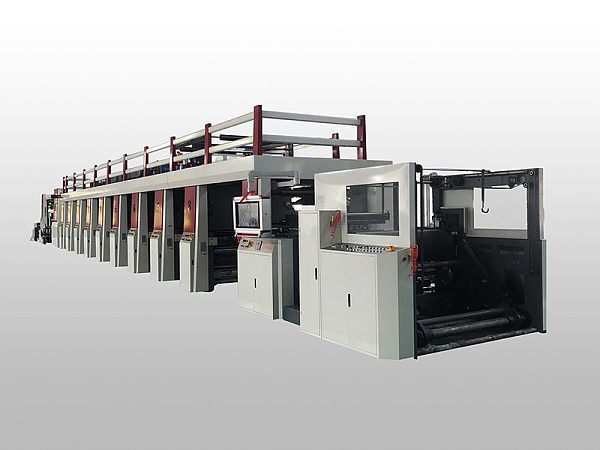
Discover how a leading packaging company transformed its production line by adopting a high-speed flexographic printing machine. This case study explores how the right flexographic printing machine for paper bags improved output quality, reduced downtime, and optimized overall efficiency. Whether you are a paper bag printing machine supplier, a technical evaluator, or a business decision-maker looking for a reliable Flexo printing machine or exporter, this insight reveals key factors behind smarter, more productive packaging operations.
Background and Challenges Before the Upgrade
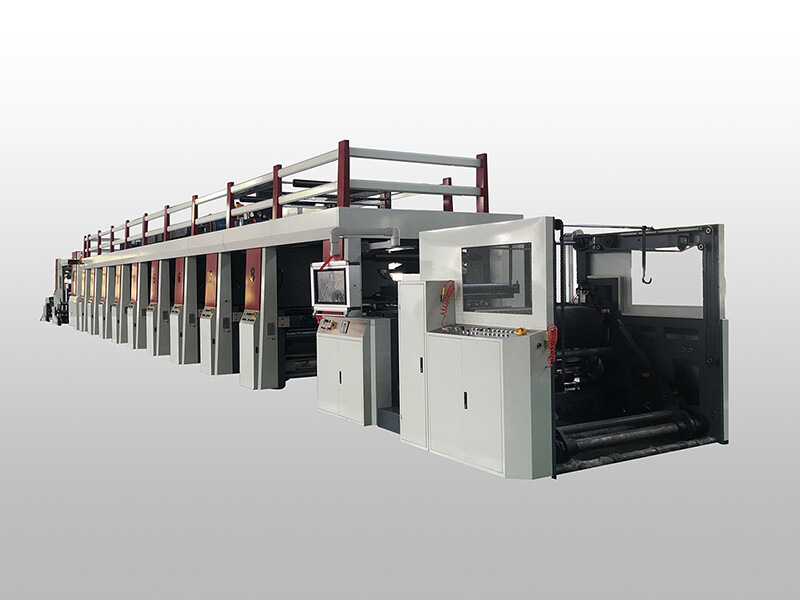
Before implementing the new high-speed flexographic printing machine, the packaging firm faced several industry-common challenges: inconsistent color quality, frequent downtime, and inefficient material waste. The company specialized in paper bags for food and retail applications, where branding accuracy and eco-compliant inks were crucial. Their previous printing setup involved aging units that limited registration accuracy and consumed excessive setup time, leading to operational bottlenecks during peak production months. For a producer working with both domestic and global distributors, these inefficiencies affected profitability and customer retention. Decision-makers noted the gap between market expectations—rapid delivery with precision printing—and the existing capacity of their legacy machines. Even with skilled operators, mechanical inconsistencies created a recurring quality control burden. The management, together with technical advisors, began exploring modern solutions from credible flexographic printing machine manufacturers who offered modular designs, automated tension systems, and advanced drying technology. The procurement team aimed to find a strategic partner capable of delivering not just a machine, but a pathway toward digital workflow integration and future scalability. Once the need analysis was complete, the search focused on identifying a High-speed flexographic printing machine exporter who could deliver both performance and support compliance with European packaging safety standards.
Implementation Process and Technology Highlights
After careful evaluation, the company chose a Flexo printing machine featuring servo-driven units and closed-loop viscosity control. The installation process required balancing modernization with minimal disruption to ongoing contracts. The engineering team collaborated closely with the paper bag printing machine supplier to customize features according to substrate types and ink behavior. The modern machine included an intuitive touch-screen interface and auto tension adjustment, ensuring print consistency even with rapid format changes. Using a high-speed flexographic printing machine for paper bags allowed seamless transitions between kraft, coated, and laminated papers. The inline drying system, equipped with energy-saving hot air recirculation, reduced energy costs by nearly 20%, while precision plate mounting reduced setup waste. Additionally, the firm integrated digital job management software that synchronized color calibration profiles across different print runs. Operator training was streamlined through augmented reality guides offered by the manufacturer. This phase clearly demonstrated the value of choosing a technically competent partner rather than a simple equipment vendor. For a global-level paper bag printing machine supplier, providing consistent remote support and warranty transparency helped establish long-term trust. Within three months of installation, the line throughput had increased by 35%, with noticeable gains in reproducibility and reduced maintenance intervals, confirming the ROI goals projected during procurement.
Operational Impact and Quantifiable Benefits
Post implementation, the operational benefits became measurable across departments. The shift to the modern Flexographic printing machine minimized ink waste by 25%, primarily due to precision metering and real-time viscosity monitoring. Production planners reported reduced downtime from two hours per shift to less than 30 minutes on average, thanks to faster plate changes and self-cleaning systems. Quality assurance teams documented a 40% reduction in rejected prints, aligning perfectly with ISO printing standards. Perhaps the most visible improvement occurred in order fulfillment: turnaround times decreased enough to open opportunities in the export market for customized short runs. With the machine’s advanced color management, brand clients could confidently expand the diversity of paper bag designs without fearing color drift, a common issue in older inline presses. Maintenance data analysis illustrated that wear components lasted 50% longer under optimized tension and temperature control. Beyond tangible production gains, the upgrade enhanced operator morale—less manual intervention, more consistent output, and safer workstation setups. Procurement and financial controllers validated the investment recovery period was within 18 months, primarily attributed to savings in raw materials and reduced rejected batches. The enterprise also achieved better sustainability alignment, as water-based inks were efficiently cured and virtually eliminated VOC emissions. For companies seeking a competitive edge in eco-packaging, adopting a similar high-speed flexographic printing machine for paper bags is clearly a step toward continuous improvement and environmental stewardship.
Market Perspective and Industry Relevance
The printing and packaging industry continues to evolve rapidly, shaped by growing demand for customized paper bags and sustainable branding solutions. Across Asia and Europe, manufacturers are upgrading to adopt the flexibility offered by new-generation Flexo printing machines. The modernization trend is driven by three converging factors: shorter product life cycles, stricter regulatory norms regarding packaging materials, and digital synchronization of production data. As a recognized High-speed flexographic printing machine exporter, businesses offering integrated service, including installation, training, and after-sales calibration, capture substantial market share among professional converters. Procurement specialists now focus not just on unit speed but on holistic cost efficiency, energy ratings, and cloud-based predictive maintenance modules. For a paper bag printing machine supplier, positioning around smart automation and material adaptability helps build trust with end-users. Clients look for suppliers who demonstrate technical expertise by offering detailed ROI assessments and compliance documentation. Moreover, sustainability certifications such as FSC-compatible inks and solvent recovery systems have become purchasing criteria for multinational buyers. The packaging firm's success detailed in this study underscores a broader movement toward modernization where Flexographic printing machines act as the backbone of agile, customer-centric supply chains. This technology transformation also redefines how smaller converters compete globally—by leveraging automation, precision, and data transparency.
Lessons Learned and Strategic Takeaways
Through this transformation, the company gleaned valuable insights relevant to other enterprises evaluating a Flexo printing machine acquisition. First, investing in training upfront ensures smoother adoption; operator familiarity with digital control systems directly impacts performance. Second, prioritizing modular design means future upgrades, such as UV LED curing or hybrid inking systems, can be added without full equipment replacement. Third, collaboration between suppliers and converters plays a decisive role; a responsive paper bag printing machine supplier capable of offering remote diagnostics can prevent extended downtime. Fourth, thoughtful integration of color management and MIS data enables real-time cost tracking, reducing the gap between budgeting and actual usage. The experience also showed the necessity of selecting a High-speed flexographic printing machine exporter who offers certified spare parts and verifiable supply chain support. Finally, aligning technical innovation with sustainability goals not only enhances branding but meets growing consumer expectations for eco-friendly packaging. For decision-makers preparing capital investment proposals, showcasing such multidimensional advantages helps secure top-level approval. This case validates the notion that modern printing technology, when properly implemented and supported, transforms not just production efficiency but also customer relationships and brand integrity.
Conclusion and Call to Action
This case demonstrates that upgrading to a modern Flexographic printing machine can redefine the performance standards for any packaging manufacturer striving to balance efficiency, consistency, and sustainability. By integrating servo-driven automation, smart tension control, and precision color technology, the studied company optimized every stage of its value chain—from raw material usage to customer delivery timelines. For business evaluators, this evidence underscores that a high-speed flexographic printing machine for paper bags is not merely an equipment purchase but an investment in reliability and future-ready production. Procurement teams, engineers, and operational managers can all benefit from the strategic lessons covered above when consulting with their preferred paper bag printing machine supplier or considering potential partnerships with a High-speed flexographic printing machine exporter. Each decision toward modernization closes the gap between cost control and quality innovation, ensuring long-term competitiveness. Take your next step toward optimizing your packaging line—contact our professional team today to explore how our range of Flexo printing machines and complementary solutions can accelerate your production efficiency and strengthen your market position.
Contact Us Today to Get a Quote
WhatsApp:+8613863655370
Tel:+8613863655370
E-mail:Chris@bochuanpack.com