
NEWS
Do flexo printing machines require special training to avoid operational risks?
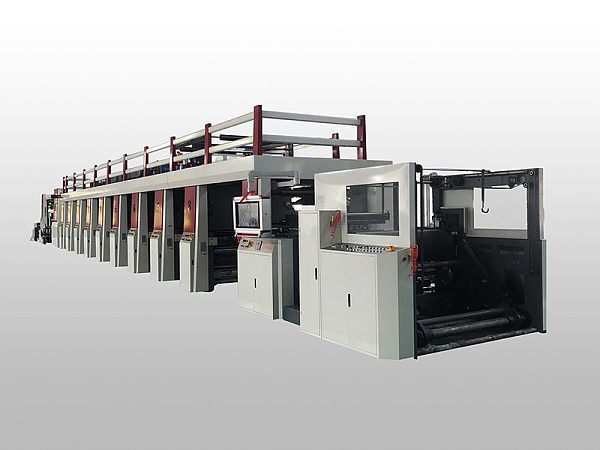
Operating a flexo printing machine offers high-speed, cost-effective packaging printing—but what are the risks of using a Flexo printing machine? From ink mishandling and plate misalignment to mechanical hazards and press-related injuries, untrained operators face significant operational, safety, and quality risks. At our packaging printing equipment specialist firm—offering flexographic printing machines, second-hand die-cutting machines, and paper bag printing systems—we emphasize that proper training isn’t optional: it’s essential for preventing downtime, waste, and workplace incidents. Discover why certified operator training directly impacts print consistency, machine longevity, and regulatory compliance.
Understanding Flexographic Printing Machine Operations
Flexographic printing is a rotary relief process widely used for flexible packaging, corrugated boxes, labels, and paper bags. It relies on flexible photopolymer plates, fast-drying inks (water-based, solvent-based, or UV-curable), and precise registration across multiple print stations.
Unlike offset or gravure, flexo demands tight coordination between anilox roll metering, plate mounting accuracy, substrate tension control, and drying efficiency. Even minor deviations can trigger cascading failures.
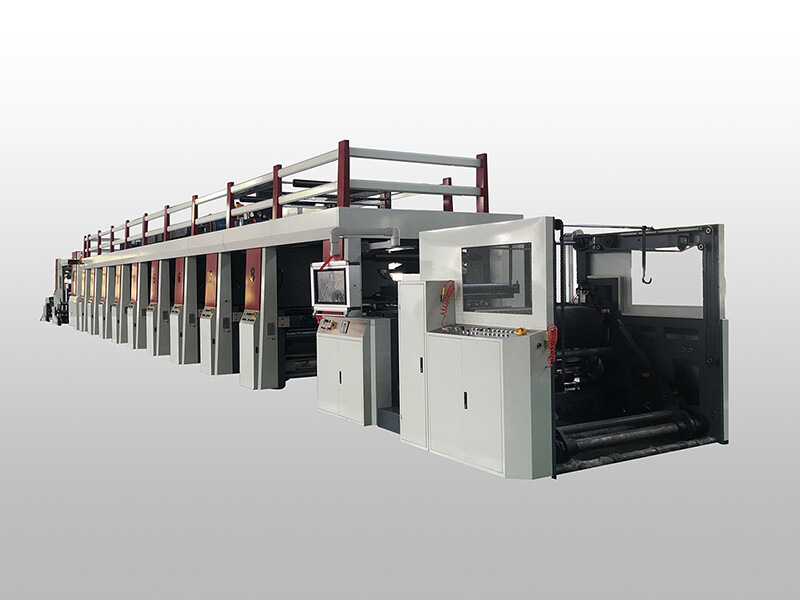
Key Operational Risks of Untrained Flexo Machine Use
What are the risks of using a Flexo printing machine? They fall into four interrelated categories:
Mechanical & Physical Hazards: Pinch points at nip rollers, rotating drive shafts, and moving web paths pose entanglement and crushing risks. Emergency stop response time drops significantly without procedural familiarity.
Chemical Exposure Risks: Solvent-based inks and cleaning agents require proper ventilation, PPE, and spill containment protocols. Untrained staff often underestimate VOC inhalation thresholds or skin absorption rates.
Print Quality & Process Instability: Misaligned plates, incorrect anilox volume selection, or inconsistent doctor blade pressure cause streaking, mottling, dot gain, or registration drift—leading to customer rejections and material waste.
Equipment Damage & Premature Wear: Forcing web tension beyond spec, ignoring gear lubrication schedules, or overriding safety interlocks accelerates bearing failure, cylinder scoring, and servo motor degradation.
Industry Trends Amplifying Training Necessity
How Training Directly Mitigates Core Risks
Certified training transforms risk exposure into controlled performance. Here’s how:
Safety incident reduction: Trained operators demonstrate 62% faster hazard recognition and 4.3× higher compliance with lockout/tagout procedures (2023 Flexo Safety Benchmark Survey).
Waste reduction: Standardized setup routines cut first-article waste by up to 38%, especially critical when running short-run paper bag jobs or premium film substrates.
Downtime avoidance: Operators who complete OEM-certified diagnostics training resolve 71% of common faults (e.g., registration drift, ink foaming) without technician dispatch.
Regulatory alignment: Structured training logs satisfy ISO 45001 clause 7.2 and ANSI B65.1 requirements for “competent personnel” verification.
Essential Components of Effective Flexo Operator Training
Effective programs go beyond theory. They integrate:
Hands-on machine familiarization: Identifying emergency stops, tension zones, ink circulation paths, and pneumatic controls on actual production units.
Process parameter mapping: Linking anilox line count to ink film thickness, plate durometer to impression pressure, and web speed to dryer temperature settings.
Preventive maintenance drills: Daily checks (roller hardness, gear backlash), weekly lubrication points, and monthly calibration of register sensors.
Substrate-specific workflows: Adjusting for paper bag stretch, PET shrinkage, or metallized film conductivity—each requiring distinct handling protocols.
Why Equipment Providers Must Support Training Continuity
Purchasing a flexographic printing machine—or acquiring a second-hand die-cutting machine—marks the start of a lifecycle commitment. Machines depreciate fastest not from age, but from inconsistent operation.
Our support includes structured onboarding for new flexo installations, refresher modules for legacy presses, and competency assessments aligned with G7 or ISO 12647-6 standards. This ensures your team maximizes uptime, minimizes scrap, and sustains repeatable color fidelity—even across shifts.
What are the risks of using a Flexo printing machine? The answer is clear: unmitigated risk lives where knowledge gaps persist. Training closes those gaps—not as a one-time event, but as embedded operational discipline.
Next Steps Toward Safer, Smarter Flexo Operation
Begin with a free operational readiness assessment. We evaluate your current flexo machine setup, review operator documentation, and identify priority training modules—whether for new hires, cross-training, or compliance alignment.
We also offer modular courses covering:
Flexo fundamentals & safety certification (8-hour intensive)
Paper bag printing optimization for multi-lane setups
Troubleshooting common registration and ink transfer issues
Maintenance scheduling for second-hand die-cutting machines
Contact us today to schedule a customized training pathway—designed for your machines, your substrates, and your production goals.
Contact Us Today to Get a Quote
WhatsApp:+8613863655370
Tel:+8613863655370
E-mail:Chris@bochuanpack.com