
NEWS
How Much Does a Flexo Printing Machine Cost in 2026?
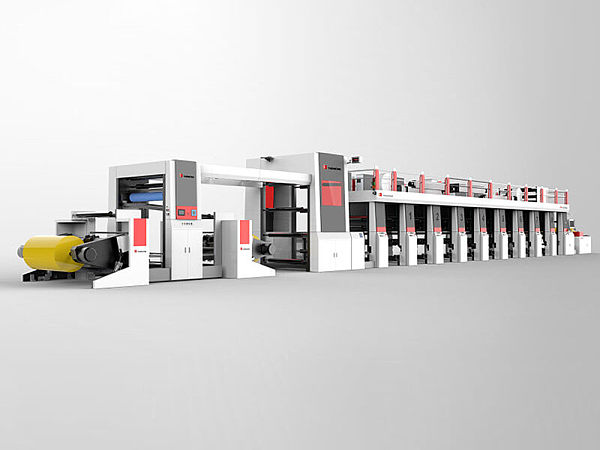
How much does a Flexo printing machine cost? In 2026, the answer depends on press size, color configuration, automation level, and whether you choose new or second-hand equipment. For procurement buyers in the packaging printing industry, understanding these cost drivers is essential for balancing budget, production efficiency, and long-term ROI. This guide will help you compare flexographic printing machines and related equipment with greater confidence.
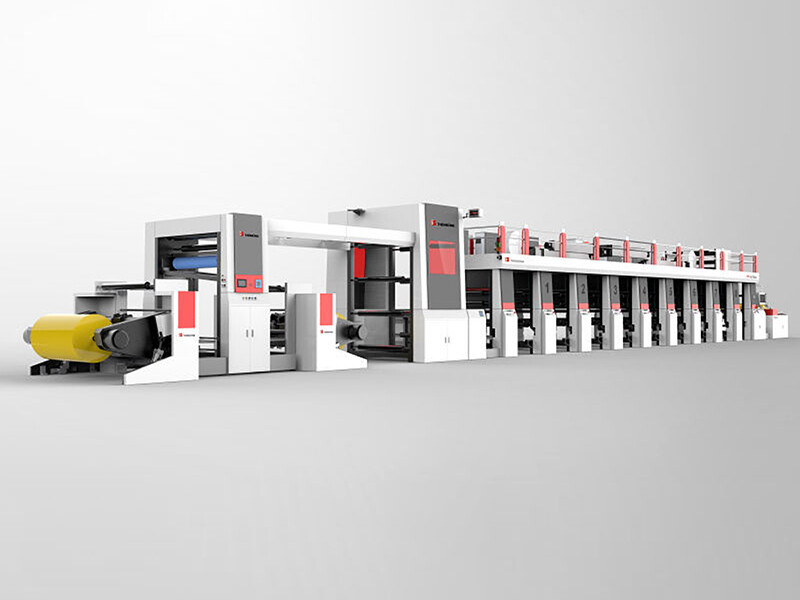
What is the typical price range of a flexo printing machine in 2026?
When buyers ask, “How much does a Flexo printing machine cost?”, the most honest answer is that pricing varies widely by application and machine condition. In 2026, a compact entry-level flexographic press for narrow-web label or simple packaging work may start from tens of thousands of dollars, while a mid-range servo-driven machine can move into the low or mid six-figure range. A fully automatic wide-web flexo printing machine designed for high-volume packaging production can cost significantly more.
For procurement teams in packaging printing, the first step is to avoid comparing machines by price alone. A low initial quote may exclude installation, plate mounting systems, drying units, corona treatment, tension control, spare parts, or operator training. Likewise, a higher-priced machine may deliver faster setup, lower waste, and better registration stability, which reduces production cost over time.
Second-hand equipment also changes the discussion. A used flexo press can offer attractive savings, especially for buyers expanding capacity without committing to a full new-machine budget. However, the real value depends on age, refurbishment quality, available technical records, brand reputation, and the remaining service life of key components. In many procurement cases, the better question is not only “How much does a Flexo printing machine cost?” but “What total value does this machine create over three to five years?”
Which factors have the biggest impact on flexo printing machine cost?
Several cost drivers influence the final quotation. Understanding them helps buyers compare suppliers more effectively and avoid mismatched expectations.
1. Press width and production format
A wider press typically costs more because it requires a stronger frame, larger rollers, more powerful drying systems, and more material handling capacity. If your packaging business focuses on paper bags, flexible packaging, corrugated pre-print, or film applications, the required web width can quickly reshape your investment level.
2. Number of colors
A 2-color or 4-color machine is usually less expensive than a 6-color or 8-color configuration. More print units increase capital cost, but they also expand design capability and reduce the need for multiple passes. For procurement buyers serving branded packaging customers, color capacity often has a direct effect on competitiveness.
3. Automation and control system
Manual registration and mechanical adjustments may lower purchase cost, but higher automation can reduce setup time, operator dependency, and material waste. Features such as servo drives, automatic tension control, video inspection, register control, and recipe memory increase price, yet they often improve repeat-order efficiency.
4. New versus second-hand condition
New machines provide warranty support, the latest controls, and predictable maintenance at the start of ownership. Second-hand die-cutting machines and used flexo presses can lower entry cost, but buyers need a sharper technical review. Hidden wear, obsolete electrical parts, and limited after-sales support can turn a cheap machine into an expensive project.
5. Application-specific accessories
UV curing, hot air drying, lamination, slitting, rewinding, inline die-cutting, corona treatment, and inspection modules all affect the final budget. In packaging printing, these options are not minor details. They determine whether the machine fits your target product mix and delivery model.
Is buying a second-hand flexo printing machine a smart way to reduce cost?
In many cases, yes. For procurement departments under tight capital constraints, second-hand equipment can shorten payback time and open the door to faster production growth. A well-maintained used machine from a reputable source may offer a strong balance between affordability and output.
That said, not every low-price offer is a good deal. Buyers should ask for refurbishment records, running video, serial identification, electrical upgrade details, and a list of replaced parts. If possible, review actual print samples and check whether spare parts remain available. Control systems, bearings, gears, drying units, and web handling components deserve special attention.
A second-hand machine is usually a stronger choice when your product structure is stable, your operators have practical experience, and your team can manage maintenance planning. If your business depends on ultra-fast job changes, precise repeatability, or advanced automation, a new flexographic printing machine may justify its higher initial cost.
For packaging printing companies, second-hand die-cutting machines are often evaluated alongside used flexo presses because printing and converting efficiency are linked. If the press output grows but finishing becomes the bottleneck, the savings from buying used equipment on one side may disappear on the production floor.
How can buyers compare suppliers and judge whether the quoted price is reasonable?
A strong supplier comparison should combine technical fit, support capability, and commercial clarity. Start by standardizing your request for quotation. If different suppliers quote different color stations, different drying systems, or different automation levels, price comparison becomes misleading.
Ask each supplier to confirm key parameters in the same format: substrate range, web width, print repeat, speed, color count, register accuracy, drying method, electrical brand, warranty terms, spare parts list, and lead time. This turns the question “How much does a Flexo printing machine cost?” into a useful procurement exercise instead of a vague market search.
It is also wise to review supplier experience in related equipment. Companies that understand flexographic printing machines, second-hand die-cutting machines, paper bag printing machines, and packaging workflow as a whole can often recommend a more practical line configuration. That matters when your production plan involves future expansion or integration with converting equipment.
Finally, judge quote quality by transparency. A reliable supplier should explain what is included, what is optional, what delivery conditions apply, and what technical support is available after installation. Clear answers reduce procurement risk more effectively than a low headline number.
What mistakes do buyers make when asking how much a Flexo printing machine costs?
One common mistake is asking for price before defining the production goal. Without knowing substrate type, order volume, color complexity, and finishing needs, even an experienced supplier can only provide a rough estimate. Another mistake is underestimating operator skill requirements. A technically capable machine may still perform poorly if the team is not ready for setup discipline and maintenance routines.
Buyers also sometimes overbuy. A highly automated press may look attractive, but if current order volume is moderate and artwork complexity is limited, the return may be slower than expected. On the other hand, underbuying creates a different problem: limited color stations, unstable registration, and slow changeovers can restrict business growth.
Another risk is ignoring the compatibility of upstream and downstream equipment. In packaging printing, the value of a flexo press depends on how well it works with slitting, rewinding, die-cutting, bag making, or other converting steps. Procurement decisions should be line-oriented, not machine-isolated.
What should you confirm before requesting a final quote?
Before requesting a serious commercial offer, prepare a short but precise requirement list. Confirm your target products, substrate range, expected monthly output, maximum print width, required color stations, preferred drying system, and whether inline finishing is needed. This gives suppliers the information needed to provide a useful recommendation.
You should also clarify whether you are open to new or second-hand equipment, what budget range has internal approval potential, and how important lead time is for your project. If your team is also evaluating paper bag printing machines or second-hand die-cutting machines, mention that early so the supplier can consider workflow matching and future expansion.
In short, the answer to “How much does a Flexo printing machine cost?” becomes far more accurate when technical expectations, budget logic, and production goals are aligned from the beginning. If you need to confirm a specific solution, parameters, lead time, quotation scope, or cooperation model, it is best to first discuss product type, print requirements, automation expectations, factory conditions, and whether new or used equipment is the better fit for your packaging printing operation.
Contact Us Today to Get a Quote
WhatsApp:+8613863655370
Tel:+8613863655370
E-mail:Chris@bochuanpack.com