
NEWS
What Risks Come with Using a Flexo Printing Machine?
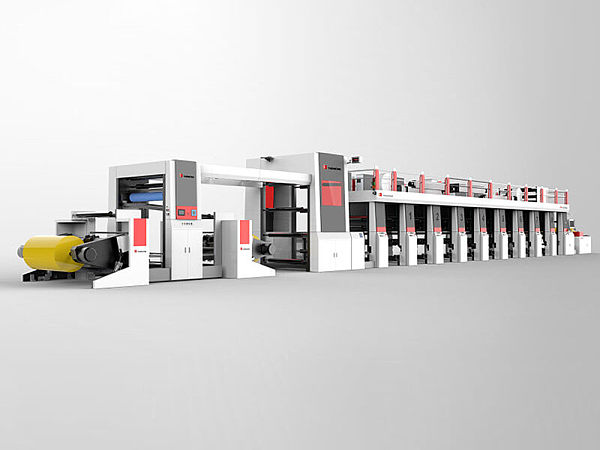
What are the risks of using a Flexo printing machine? For quality control and safety managers in the packaging printing industry, the answer goes far beyond operator injury. From ink contamination and registration errors to mechanical hazards, fire risks, and costly downtime, flexo equipment can affect both product consistency and workplace compliance. Understanding these risks is the first step toward safer production, better print quality, and more reliable equipment performance.
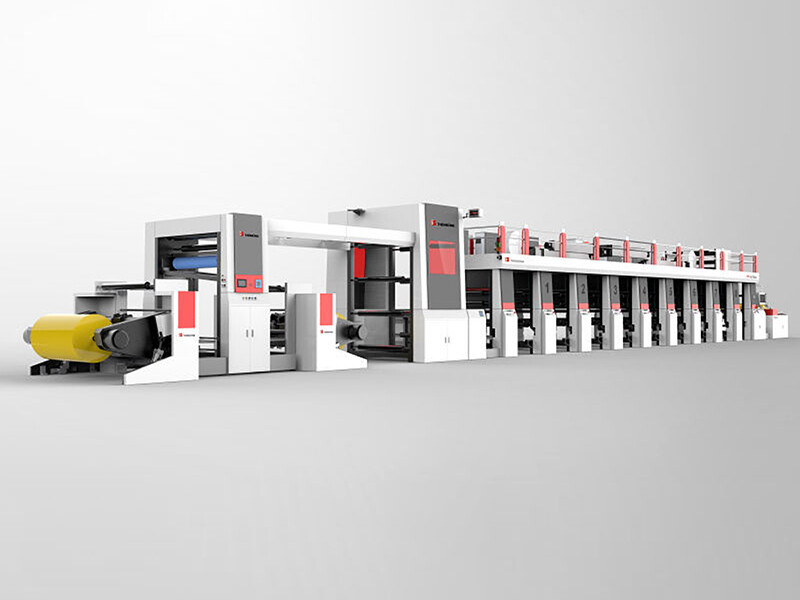
Why Risk Assessment Changes by Production Scenario
In packaging printing, the risks of using a flexo printing machine are not identical across every job. A short-run paper bag order, a long-run corrugated packaging job, and a multi-color food-contact print project can expose a plant to very different quality, safety, and maintenance pressures. For that reason, quality control personnel and safety managers should avoid treating flexographic equipment risk as a single checklist item. The real question is not only “What are the risks of using a Flexo printing machine?” but also “Which risks matter most in this operating context?”
This scenario-based view is especially important for companies that run mixed equipment fleets, including flexographic printing machines, second-hand die-cutting machines, and paper bag printing machines. Older assets, frequent job changes, different substrates, varying ink systems, and inconsistent operator experience all influence the severity of risk. In some cases, the main issue is print defects and customer complaints. In others, it is fire prevention, guarding, solvent exposure, or unplanned downtime that causes the biggest business loss.
Scenario 1: Food, Retail, and Brand-Sensitive Packaging
In food and retail packaging, what are the risks of using a Flexo printing machine becomes a question of both safety and product integrity. Quality managers usually focus on color consistency, print clarity, and defect rates, but the bigger risk may be contamination from inks, dirty doctor blades, poorly cleaned chambers, or residue left during job changes. Even when the machine runs smoothly, weak cleaning discipline can lead to odor issues, migration concerns, or visible staining.
Safety managers in this scenario should also pay attention to solvent handling, ventilation, static electricity, and dryer performance. If the drying system is poorly maintained, partially dried ink may transfer to rollers or finished reels, creating both quality loss and fire risk. For regulated packaging environments, documentation matters almost as much as machine condition. Cleaning logs, ink traceability, and preventive maintenance records reduce the chance that a small incident turns into a customer claim or audit failure.
What to prioritize in this scenario
Validated cleaning between product categories or color families
Control of ink viscosity, pH, and drying behavior
Inspection for cross-contamination during changeovers
Proper exhaust, grounding, and solvent storage practices
Scenario 2: Paper Bag Printing and Short-Run Commercial Packaging
Paper bag printing often involves frequent artwork changes, different paper grades, and strong pressure on lead times. In this environment, the risks of using a flexo printing machine are often linked to setup accuracy rather than only heavy mechanical danger. Registration errors, plate mounting mistakes, ink scumming, and tension fluctuations can quickly turn into visible defects. Since paper bags are often customer-facing, even small print variation may be unacceptable.
For QC teams, short runs create a hidden problem: startup waste may represent a large share of the total order. If operator adjustment takes too long, material loss rises sharply. Safety teams should not ignore this simply because the machine is smaller or the run is shorter. Repeated stop-start activity, manual cleaning, and fast changeovers increase exposure to pinch points, blade handling injuries, and slips caused by spilled ink or wash-up fluid.
This is a scenario where standard operating procedures make a measurable difference. A clear pre-start checklist, approved setup parameters by substrate type, and first-article verification can reduce both print defects and unsafe rushed interventions.
Scenario 3: Long-Run Production Where Downtime Is the Biggest Risk
In large-volume packaging jobs, what are the risks of using a Flexo printing machine is often answered in terms of reliability. A machine may produce acceptable samples at startup but drift over time due to heat buildup, anilox contamination, bearing wear, gear issues, or doctor blade degradation. The longer the run, the more important mechanical stability becomes. Small defects repeated across thousands of meters create serious scrap and can disrupt downstream converting processes.
From a safety perspective, long shifts and repetitive work also increase human-factor risk. Operators may bypass minor warnings, delay lubrication, or attempt quick adjustments while the machine is running. That behavior is common in high-output plants where delivery pressure is intense. Safety managers should therefore link production targets to machine condition monitoring rather than treating them as separate topics.
Recommended controls include vibration checks, scheduled roller inspection, drying system verification, and alarm response rules that cannot be ignored simply to maintain speed.
Scenario 4: Plants Operating Older or Second-Hand Printing Equipment
Many packaging printers rely on cost-effective used assets, which can be a smart investment when machines are properly rebuilt and maintained. However, in this scenario, the question what are the risks of using a Flexo printing machine must include age-related and retrofit-related concerns. Older flexographic printing machines may have worn rollers, outdated controls, weakened guarding, inconsistent tension systems, or missing documentation. Spare parts may also be harder to source, extending downtime after a failure.
Quality managers should watch for repeatability issues: can the machine return to the same settings job after job, or does every setup require heavy trial-and-error adjustment? Safety managers should verify emergency stops, interlocks, electrical integrity, and guarding around rotating parts. A second-hand machine that prints well during a demonstration may still carry hidden maintenance risk if wear components, sensors, or drive systems were not fully assessed.
Warning signs that need immediate review
Frequent unexplained registration changes
Unusual noise, vibration, or heat near drive sections
Inconsistent drying across the web width
Temporary safety fixes instead of engineered solutions
Missing maintenance history or calibration records
Common Misjudgments About Flexo Machine Risk
One common mistake is assuming that if no injury has occurred, the flexo process is safe. In reality, poor housekeeping, weak ventilation, inaccurate viscosity control, and rushed adjustments may go unnoticed until they create a fire event, a product recall, or a major batch failure. Another mistake is believing that risk only comes from complex, high-speed lines. Smaller paper bag printing machines and older auxiliary units can be just as risky if procedures are informal.
A third misjudgment is separating quality loss from equipment risk. When a machine repeatedly produces ghosting, smearing, registration drift, or uneven ink transfer, these are not only print issues. They may signal wear, poor maintenance, unstable settings, or unsafe operator intervention. Asking what are the risks of using a Flexo printing machine should therefore include quality deviation as an early warning system, not merely a production inconvenience.
Practical Risk-Control Actions by Scenario
For mixed packaging printing operations, the most effective approach is to match controls to the production scenario instead of applying generic rules equally everywhere.
For food and sensitive packaging: strengthen sanitation validation, ink traceability, and dryer inspection.
For paper bag and short-run work: reduce setup variation with fixed checklists, approved recipes, and first-piece signoff.
For long-run production: use preventive maintenance intervals based on actual runtime, not only calendar dates.
For second-hand equipment: perform a technical safety audit before full production release, including electrical, guarding, tension, and sensor checks.
For all scenarios: train operators to stop and report abnormal noise, temperature, smell, drift, or unstable drying immediately.
FAQ: What Quality and Safety Managers Usually Ask
Are the risks of using a flexo printing machine mainly mechanical?
No. Mechanical hazards are important, but chemical exposure, fire risk, print contamination, setup error, and maintenance-related downtime are equally significant in packaging printing.
Which scenario is most likely to hide risk?
High-frequency short runs and older second-hand lines often hide risk because teams normalize rushed changeovers, repeated manual adjustment, and temporary maintenance fixes.
How can QC teams help reduce safety incidents?
By tracking recurring defects as potential machine-condition signals. Repeated smearing, density change, or registration instability may indicate a broader safety or maintenance problem.
Final Takeaway for Packaging Printing Operations
What are the risks of using a Flexo printing machine? The practical answer depends on your application scenario, substrate, job frequency, machine age, and compliance demands. In food packaging, contamination and solvent control may be the leading concern. In paper bag printing, setup variation and visible quality defects may dominate. In long-run industrial work, wear and downtime can become the costliest risk. And on second-hand equipment, hidden mechanical and guarding weaknesses deserve special attention.
If your business works with flexographic printing machines, paper bag printing machines, or other printing equipment, the best next step is to review risk by job type rather than by equipment name alone. A focused audit of machine condition, process stability, operator practice, and cleaning discipline will reveal where control is strong and where action is needed. That scenario-based approach supports safer production, more consistent print quality, and better long-term equipment value.
Contact Us Today to Get a Quote
WhatsApp:+8613863655370
Tel:+8613863655370
E-mail:Chris@bochuanpack.com