
High speed paper bag printing machine: assessing throughput, print quality and safety compliance
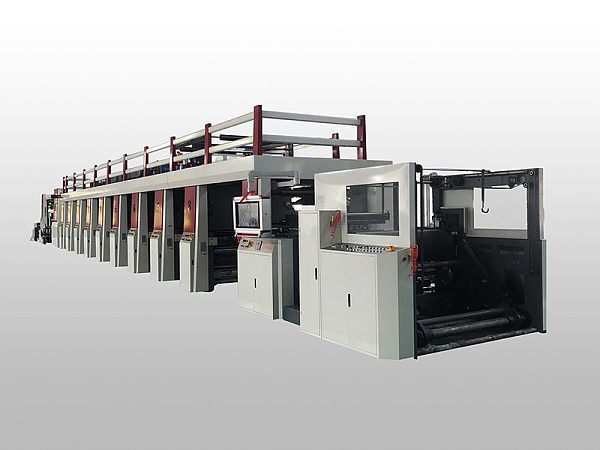
As specialists in flexographic printing machine solutions, we assess how a high speed paper bag printing machine delivers the throughput, print quality and safety compliance packaging operations demand. This practical guide helps information researchers, operators and procurement teams compare a flexographic printing machine for packaging from different paper bag printing machine manufacturer options, emphasizing throughput metrics, color accuracy, substrate handling, uptime and regulatory safety checks. Whether you are a project manager, quality or maintenance lead, the insights here align technical evaluation with commercial and safety priorities to support confident purchasing and operations.
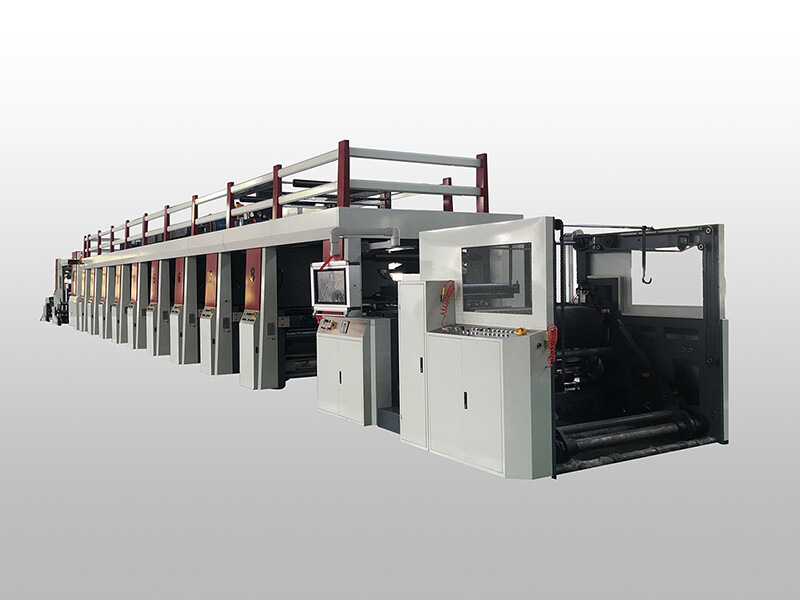
Definition and market context: what a high speed paper bag printing machine is and why it matters
A high speed paper bag printing machine integrates flexographic printing units with bag-forming or offline finishing to produce printed paper bags at commercial volumes. For packaging printers and brand owners, this equipment combines color reproduction, variable data capability and substrate handling into a production line that supports retail, grocery and industrial uses. Typical buyers include converters, co-packers, and brands seeking in-house control of print and finishing.
Market demand for integrated solutions is driven by shorter runs, SKU proliferation and sustainability requirements. Industry common throughput ranges for integrated systems span approximately 1,000–12,000 bags per hour depending on bag size, number of colors and finishing complexity, which directly affects unit cost and floor planning.
Key commercial pressures are delivery lead times, waste reduction and print consistency across runs. Decision makers—from procurement to finance—need throughput projections, sample validation and a clear breakdown of total cost of ownership (TCO) over 3–5 years before committing to a high speed paper bag printing machine.
When to consider an integrated flexo bag line versus modular upgrades
Consider integrated lines when projected daily output exceeds small-batch thresholds (for example, sustained runs over 3,000 bags/day) or when inline finishing reduces manual handling. Modular upgrades suit operations that prioritize phased investment: add printing modules, then die-cutting or handle attachment within a 2–4 week upgrade window per module.
Technical performance: throughput, print quality and substrate handling
Throughput assessment must start with web speed and effective bag output. Web speed ranges for flexo units commonly sit between 50–400 m/min; translate that to expected bag counts only after accounting for bag length, print repeats and press stoppages. Operators should request test runs at target line speed and full-color coverage to validate real-world throughput.
Print quality depends on registration stability, anilox selection, plate resolution and drying capacity. Registration tolerance targets for bag printing are typically ±0.2–0.5 mm for multi-color jobs; achieving tighter values often requires servo-driven shafts and automatic register correction systems.
Substrate handling must address grammage variants and moisture sensitivity. Common substrate grammage ranges for paper bags are 40–200 g/m²; machines should support that interval with adjustable tension controls, corona/primer units and suitable nip rollers to prevent wrinkling at high speeds.
Uptime and maintainability are measurable performance drivers. Target achievable uptime for a well-commissioned high speed paper bag printing machine is often 92%–98% under regular preventive maintenance. Specify mean time to repair (MTTR) targets—typical service goals are 4–8 hours for common wear-part replacements.
Procurement and selection guide: how to compare vendors and models
Procurement teams must evaluate machines across technical, commercial and service dimensions. Narrow selection by defining 3 core metrics: required throughput (bags/hour), acceptable registration tolerance (mm) and maximum substrate grammage. These core metrics reduce proposal noise and focus vendor demonstrations.
Vendor proposals should include total cost of ownership over a 3–5 year horizon: capital expenditure, spare parts consumption, expected energy use (kW range), and recommended preventive maintenance frequency. For budgeting, typical installation and commissioning windows run 2–4 weeks for standard configurations and 4–8 weeks for custom integrations.
Checklist and comparative dimensions you should request from each vendor:
Delivery & installation timeline (e.g., 7–15 days for documentation, 2–4 weeks for on-site commissioning).
Warranty scope and spare parts lead time (common lead times: 7–30 days for critical parts).
Training package: operator + maintenance training split into 2–3 days for operators and 1–2 days for maintenance teams.
Service level agreement (SLA): guaranteed response time tiers such as 24–72 hours depending on geography.
Standards, safety compliance and quality controls
Safety and compliance are non-negotiable for high speed machinery. Relevant checks include machine guarding, emergency stops, electrical safety, and ergonomics. For international trade, buyers commonly verify CE marking for EU markets and compliance with local occupational safety standards; quality management alignment is typically assessed via ISO 9001 processes rather than machine-level certification.
Quality control workflows should be defined before acceptance. A common acceptance protocol includes 6 verification items: visual print inspection, color density checks, registration tests, tensile/substrate tests, functional safety checks, and uptime demonstration over a minimum 4-hour continuous run at target speed.
Environmental and inks compliance is also part of procurement. Expect vendors to document ink types (water-based, solvent-reduced, UV), VOC emissions and suggested waste handling. Typical vendor documentation delivery takes 7–15 days after order confirmation and should include MSDS and process parameter sheets.
Application scenarios, ROI drivers and practical trade-offs
Different business models drive different machine choices. Small-batch, high-variability brands benefit from quick-change plate systems and low make-ready times; high-volume packers prioritize continuous runs and higher web speeds. Consider three operational categories: small-batch (<3,000 mid-volume="" 000="" and="" high-volume="">10,000 bags/day).
ROI hinges on unit cost reduction, reduced labor, and waste savings. Example breakpoints: when projected annualized production exceeds 500,000 bags, inline printing and finishing often pay off versus outsourcing due to reduced logistics and faster turnaround. Estimate payback over 3–5 years based on conservative 70% operating utilization.
Common trade-offs include capital intensity versus flexibility: multi-color inline presses are more capital intensive but lower per-unit labor; modular setups spread capex but increase handling time. Maintenance resource availability also affects choice—expect 1–2 full-time equivalents for operations supporting medium to high-volume lines.
Small-batch: prioritize quick plate change, variable data capability, and 2–3 operator shifts for varying SKUs.
Mid-volume: balance automation with spare parts inventory; plan preventive maintenance every 250–500 operating hours.
High-volume: invest in redundancy for critical spares and remote diagnostics; schedule major service windows every 6–12 months.
Why choose us / Contact us — specific consultancy and procurement support
If your team evaluates a high speed paper bag printing machine, we offer targeted support that aligns technical assessment with procurement and compliance needs. Typical consult or service packages include: parameter confirmation, factory acceptance coordination, and custom sample runs. Lead times for our consulting engagements normally span 7–21 days depending on scope.
You can engage us for concrete deliverables: product selection with a shortlist of 2–4 compatible models, draft TCO over 3–5 years, installation and commissioning timelines (2–4 weeks standard), and guidance on certification documentation. We also provide sample validation and quote negotiation support.
Specific items we can assist with on request: parameter confirmation for target bag formats, customized configuration drawings, delivery and installation scheduling, certification checklist alignment, sample printing support and formal quotation comparison. Typical output is a formal recommendation package delivered in 5–15 business days.
To start a targeted evaluation, request: a) the bag formats and target daily volumes, b) preferred substrate grammage range, c) desired colors and special effects, and d) any compliance constraints. With that information we provide a tailored comparison, sample plan and indicative pricing to support procurement approvals.
Contact Us Today to Get a Quote
WhatsApp:+8613863655370
Tel:+8613863655370
E-mail:Chris@bochuanpack.com