
Paper bag printing machine manufacturer: 5 procurement criteria to cut lifecycle costs
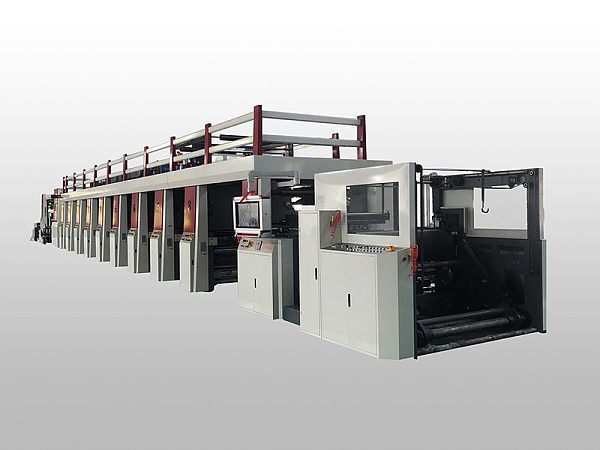
As a trusted paper bag printing machine manufacturer, we help procurement teams cut lifecycle costs by prioritizing durability, energy efficiency, and serviceability. For operators and technical evaluators comparing a high speed paper bag printing machine or a Flexographic printing machine, the right questions on throughput, consumables, spare parts availability, and retrofitability separate winners from costly choices. This guide draws on experience with flexographic printing machine for packaging, second‑hand die‑cutting machines, and complete printing lines to give procurement, finance, and maintenance teams practical criteria and real-world examples to justify smarter, lower‑risk investments.
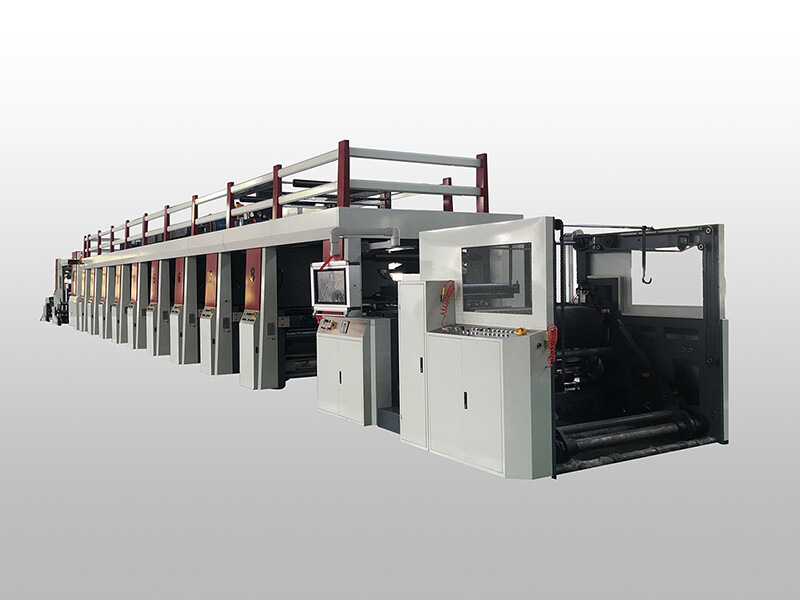
Why lifecycle cost matters for paper bag printing machine procurement
Selecting a paper bag printing machine requires looking beyond purchase price. Typical industrial printers operate across a lifecycle of 7–12 years; during that period energy, consumables, downtime and spare parts often represent 60%–80% of total ownership cost. Procurement teams, finance approvers and technical evaluators must therefore quantify recurring costs to avoid low‑capex, high‑lifecycle‑cost mistakes.
For packaging printshops the most common cost buckets are: initial capex, annual energy (5kW–25kW continuous draw depending on configuration), consumables (inks, plates, glue), spare parts and labor for maintenance. Each bucket has measurable indicators—lead time for critical spare parts (7–21 days), replacement interval for doctor blades or anilox rollers (6–18 months), and planned maintenance every 3–6 months.
Operational stakeholders—operators, maintenance staff and project managers—should demand data during evaluation: expected uptime percentage (target 92%–98%), mean time between failures (MTBF) ranges, and typical setup time per job, often 15–45 minutes for jobs with multiple colors or bag sizes. These figures translate directly into labor cost and throughput uncertainty.
Understanding lifecycle cost also helps compare new flexographic printing machines, retrofitted second‑hand die‑cutting units and integrated paper bag printing lines. Decision makers can then balance short delivery windows (2–6 weeks for standard models vs. 8–20 weeks for custom lines) against long‑term operating costs.
Five procurement criteria to cut lifecycle costs
When evaluating suppliers, use five prioritized criteria that reduce total cost of ownership: mechanical durability, energy efficiency, consumable economics, spare part availability, and modular serviceability. Each criterion converts into measurable checks during factory acceptance tests or site visits.
This section breaks down each criterion into actionable checks for procurement teams, technical evaluators and finance approvers. For each item we cite typical ranges or test steps you can request—these are practical thresholds rather than absolute requirements.
1. Mechanical durability and build quality
Inspect frame materials, bearing types and print station alignment. Look for hardened shafts, precision bearings rated for continuous operation and welded frames with documented stress relief. Typical expected lifecycle for mechanically robust subassemblies is 7–12 years with routine maintenance.
Request tolerance and registration specs: ±0.5mm registration accuracy is a reasonable benchmark for multi‑color paper bag printing. Confirm vibration and thermal stability at operating speeds to avoid print defects that increase waste and rework rates.
2. Energy efficiency and drive systems
Compare drive architectures (servo vs. stepper), inverter grading and energy recovery. Machines drawing 5kW–25kW under load have substantial annual energy costs; request measured power profiles during a demo run of 1–2 hours to estimate real consumption under your production mix.
Consider standalone energy metrics: readiness mode draw, idle power and peak startup demand. These affect factory electrical planning and recurring utility bills, especially for continuous or multi‑shift operations.
3. Consumables, tooling and substrate flexibility
Assess ink types, plate systems and die‑cut tooling. Consumable lifespan (e.g., anilox cleaning intervals of 1–4 weeks) and ease of replacement impact labor and material cost. Ask for typical ink consumption per 10,000 bags and recommended supplier alternatives to avoid single‑source lock‑in.
Check substrate range support—grammage 40–300 g/m² is common for paper bag lines—and whether adjustments between bag formats can be done in 15–45 minutes to control changeover losses.
4. Spare parts availability and logistics
Evaluate local stocking, typical lead times (7–21 days), and availability of critical spares (motors, gearboxes, print cylinders). A robust supply chain reduces unplanned downtime and can cut spare parts cost by 10%–30% over the machine lifecycle.
For second‑hand die‑cutting machines, verify parts compatibility and service documentation; retrofit kits should include clear BOMs and 2–4 week delivery estimates for retrofit components.
5. Serviceability, training and modular upgrades
Choose designs that allow 3–6 modular swap points for quick replacement of wear items. Confirm supplier training offerings: on‑site commissioning 2–4 weeks, operator training in 1–3 days, and documented maintenance routines for 3–6 month intervals.
Ensure retrofitability so lines can accept upgrades—additional print stations or automated feeding—in 2–6 weeks with minimal factory downtime. Modular systems preserve value and extend usable service life.
Interpretation: populate the table with supplier data and run a 3–7 year TCO to compare alternatives. Include sensitivity scenarios (±10% energy cost, ±15% downtime) to show budget impact and risk exposure to finance approvers.
Procurement checklist (quick):
Confirm delivery lead time and acceptance test window (2–20 weeks).
Verify spare parts lead times for critical items (7–21 days) and local stocking options.
Request a live demo with your substrate and target print job for 1–2 hours.
Obtain a training and commissioning plan: on‑site 2–4 weeks, operator training 1–3 days.
Require documented maintenance schedules and replacement intervals (3–18 months).
Each item above should map to a contractual SLA or acceptance criterion to ensure measurable supplier accountability during warranty and post‑warranty phases.
Implementation & after-sales: service flows that lower lifecycle cost
A predictable implementation and after‑sales process reduces hidden costs. Define a 4‑step service flow covering delivery, commissioning, training and post‑acceptance support, with clear timelines and deliverables for each stage.
Typical timelines: delivery 2–20 weeks depending on configuration, on‑site commissioning 1–4 weeks, operator training 1–3 days, and performance validation over the first 30–90 days. These timeframes inform production ramp plans and contingency scheduling.
Delivery & inspection: 2–20 week delivery window; complete unpacking and mechanical inspection within 48 hours.
Commissioning & calibration: 3–14 days on average; validate registration, speed, substrate handling and safety interlocks.
Training & SOP handover: 1–3 days for operators, 2–4 days for maintenance staff, plus documented checklists for 3–6 month maintenance tasks.
Warranty & spare parts plan: define 6–12 month warranty coverage and typical spare part lead times (7–21 days) in contract.
After‑sales metrics to negotiate: response time for critical faults (4–48 hours depending on severity), spare part shipping windows, and options for remote diagnostics. These reduce mean time to repair (MTTR) and preserve throughput targets.
For dealers and distributors, documentation packages should include BOMs, wiring diagrams, spare part lists and a 3‑phase commissioning checklist to speed field service and lower first‑year maintenance spend.
FAQ — common procurement questions answered
This FAQ addresses real search queries from procurement teams, operators and engineers. Each answer includes practical checks or numbers you can use in supplier evaluations.
How long is a realistic delivery and commissioning timeline?
Standard models: 2–8 weeks; customized lines or retrofit projects: 8–20 weeks. Commissioning typically requires 1–4 weeks on site depending on integration complexity.
Plan for a 30–90 day stabilization phase after commissioning to fine‑tune settings, train staff and confirm consumable usage benchmarks.
What spare‑parts policy minimizes downtime risk?
Maintain a short list of critical spares with lead times 7–21 days and stock high‑wear items locally. Agree on a vendor RMA and expedited shipping process for critical failures to target MTTR under 48 hours for major faults.
Is second‑hand equipment a viable cost-saving option?
Second‑hand machines can reduce initial capex but require careful due diligence: verify documentation, remaining component life, parts compatibility and retrofit cost (typically 2–8 weeks for upgrades). Include a reserve for unexpected repairs in the first 12 months.
Which performance tests should be part of acceptance?
Minimum tests: continuous run test (2–8 hours), registration stability at target speed, ink consumption sample for 1,000 bags, and a 4‑point safety and electrical inspection. Capture measured values in the FAT report to convert into contractual acceptance criteria.
Why choose us — concrete consultation & next steps
If you are evaluating suppliers, we provide targeted support to de‑risk procurement: parameter confirmation, product selection, delivery schedule planning, retrofit feasibility studies, and sample run validation. Our scope covers flexographic printing machines, second‑hand die‑cutting upgrades and complete paper bag printing lines.
What we can help you with (consultation items):
Parameter confirmation: registration accuracy, throughput targets, substrate grammage and power profiles.
Product selection: matching flexo or high‑speed formats to volume (small:<10k medium:="" large:="">200k/month).
Delivery & implementation: realistic lead times, commissioning plans (2–4 weeks) and operator training packages.
Customization & certification: layout adjustments, safety guards, and documentation for common export requirements.
Sample support and pilot runs: measurable sample batches (100–1,000 bags) under your specs to validate ink usage and waste rates.
Quotation & TCO modeling: 3–7 year scenarios with sensitivity to energy, downtime and consumables.
To start a practical evaluation, provide: target bag formats, substrate specs, annual volumes, desired uptime, and any space or electrical constraints. We will return a prioritized checklist, estimated lead times (2–20 weeks), and a tailored TCO outline to support procurement and finance decision making.
Contact Us Today to Get a Quote
WhatsApp:+8613863655370
Tel:+8613863655370
E-mail:Chris@bochuanpack.com