
How a Leading Corrugated Box Pre‑Printing Machine Manufacturer in China Is Redefining Packaging Efficiency in 2026
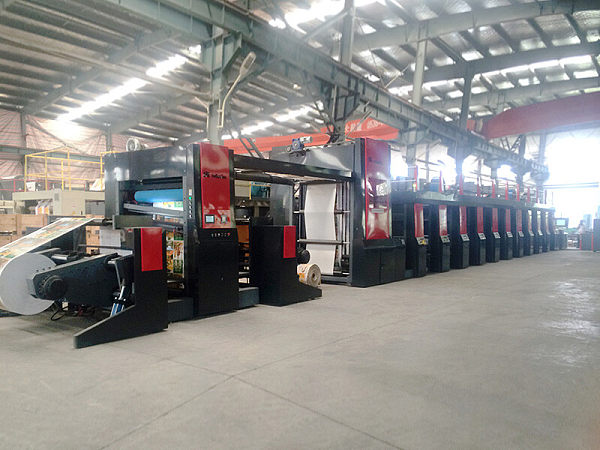
As global packaging demands evolve, a leading corrugated box pre‑printing machine manufacturer in China is setting new benchmarks for speed, precision, and sustainability. Combining advanced flexo printing technology with decades of engineering expertise, this manufacturer and exporter of corrugated box pre‑printing machines is transforming how printing efficiency is achieved across the industry. In 2026, their innovative solutions promise to empower businesses with smarter production, higher quality output, and optimized cost performance.
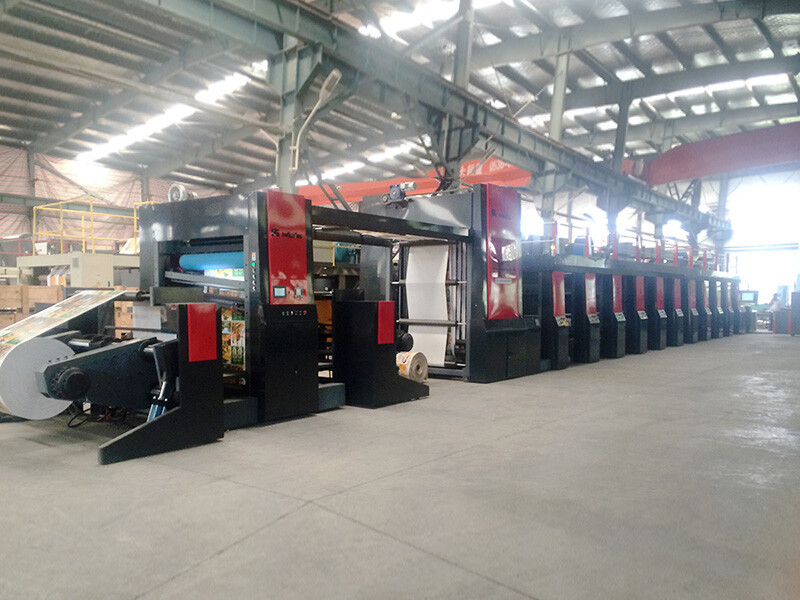
Evolving Market Landscape of Corrugated Box Pre‑Printing in 2026
The packaging and printing industry is undergoing a rapid shift driven by digital commerce, sustainability mandates, and increasing demand for short‑run, high‑quality printing. In 2026, global corrugated packaging output is projected to increase by 12% compared with 2024, with Asia accounting for nearly 45% of total growth. This momentum elevates the importance of pre‑printing machines that can handle larger formats, variable data, and eco‑friendly inks efficiently.
Traditional post‑printing methods often face productivity limits, averaging 100–150 meters per minute on standard flexo lines. By contrast, modern pre‑printing systems developed in China can reach speeds up to 300 meters per minute while maintaining registration accuracy within ±0.15 mm, reducing paper waste by nearly 8–10%. These improvements directly impact cost per square meter and overall line efficiency.
Environmental compliance adds another key dimension. With the adoption of water‑based inks and energy‑saving drying systems consuming approximately 15% less electricity per shift, manufacturers are better positioned to meet ISO 14001 and FSC®‑related procurement requirements. Procurement officers increasingly prioritize such sustainable data in their supplier assessments.
For businesses aiming to align with 2026 sustainability roadmaps or reduce operational carbon intensity by 10–20%, upgrading to efficient pre‑printing solutions offers measurable returns that extend beyond immediate production gains.
Application Scenarios and Industry Adoption
Pre‑printing solutions serve diverse production environments ranging from large‑scale export packaging to customized consumer goods boxes. Operators in food, electronics, and e‑commerce sectors are leveraging these machines for print runs between 10,000 m² and 300,000 m² per order, balancing flexibility and cost efficiency.
Common application segments include:
High‑graphic retail displays demanding resolution above 1,200 dpi and consistent color reproduction.
Fast‑moving consumer goods requiring quick turnaround within 5–7 days and hygienic, odor‑free ink performance.
Export cartons meeting humidity tolerance of 10–15% without image distortion during logistics.
Paper bag and folding box printing where brand consistency across substrate types is critical.
Such adaptability has made pre‑printing an integral step for converters seeking mid‑to‑high volume integration. Distributors and agents value these machines for their ability to standardize output across multiple factories and maintain quality consistency under ISO 9001 supervision cycles every 12 months.
In addition, second‑hand die‑cutting equipment refurbished with precision alignment systems can pair seamlessly with new pre‑printing units, extending full‑line efficiency by nearly 25%—a crucial advantage for small and medium‑sized converters looking for scalable investments.
By 2026, smart manufacturing integration is expected to redefine how pre‑printing lines function within digital factories. Predictive algorithms analyzing temperature, humidity, and ink viscosity in real time will optimize motor torque and drying cycles, anticipating drift margins below 0.1 mm in continuous runs exceeding 10 km of substrate.
Another key trend is modular retrofitting. Factories upgrading legacy second‑hand die‑cutting machines can integrate lightweight print heads and closed‑loop sensor kits to achieve competitiveness without full replacement. This approach may save up to 35% in capital expenditure and shorten upgrade cycles to 6–8 weeks instead of 12–14 weeks typical for full system installations.
Sustainability innovation will continue focusing on low‑VOC inks and automated wastewater filtration within recycling ratios above 85%. Such systems help brands demonstrate compliance with extended producer responsibility (EPR) guidelines scheduled to expand across major markets in the coming years.
For distributors and engineering project managers, embracing these evolutions ensures alignment with next‑generation packaging standards—making production not only faster but also measurably cleaner and more controlled across the entire supply chain.
FAQ: Understanding Corrugated Pre‑Printing for Better Decisions
What are the main advantages of pre‑printing over direct post‑printing?
Pre‑printing places graphics on liner paper before corrugation, maintaining high resolution and consistent ink density. It reduces substrate deformation and minimizes waste by approximately 5–8% compared to post‑printing, leading to lower unit costs for large volumes exceeding 50,000 m².
How long is the standard delivery and installation cycle for new machines?
Standard delivery cycles range from 6 to 10 weeks, including 2 weeks for assembly, 1 week shipping within Asia, and another 2 weeks for calibration and operator training. Complex multi‑color configurations may take slightly longer depending on export documentation and local voltage adaptation.
What maintenance schedule ensures long‑term stability?
Recommended intervals include lubrication every 250 hours, tension sensor recalibration every 1,000 hours, and full electrical inspection twice annually. Adhering to this 3‑tier routine keeps registration deviation within tolerance and extends roller lifespan by as much as 20%.
Which industries benefit most from this technology?
FMCG packaging, beverage cartons, e‑commerce logistics materials, and premium brand display boxes benefit significantly. Operators requiring short‑run color flexibility, such as seasonal packaging producers, also gain from the faster make‑ready times and automated plate handling systems.
Why Choose Our Expertise
With a specialization in flexographic printing machines, second‑hand die‑cutting machines, paper bag printing machines, and other advanced equipment, our team delivers integrated solutions that align with packaging converters’ technical and financial goals. We support decision‑makers from the initial feasibility assessment to post‑installation optimization.
Our engineers offer parameter consultation, customization for print width and ink systems, and lifetime technical documentation updates. For project managers, we provide 4‑step service: requirement definition, design validation, on‑site commissioning, and 3‑month performance review. This structure ensures your investment meets both production and compliance milestones.
Businesses planning 2026 facility upgrades or resourcing new export packaging capacity can contact us for detailed specification checks, quotation analysis, and sample test print validation. By cooperating early in the procurement cycle, you can secure optimized lead times and technology configurations suited to your operational demands.
Reach out today to discuss tailored corrugated box pre‑printing solutions, confirm configuration options, or arrange a consultation on integrating flexo and die‑cutting systems for higher‑efficiency packaging production.
Contact Us Today to Get a Quote
WhatsApp:+8613863655370
Tel:+8613863655370
E-mail:Chris@bochuanpack.com