
High-speed flexographic printing machine price trends and technology updates in 2026
Price Trends and Market Factors Affecting High-Speed Flexographic Printing Machines in 2026
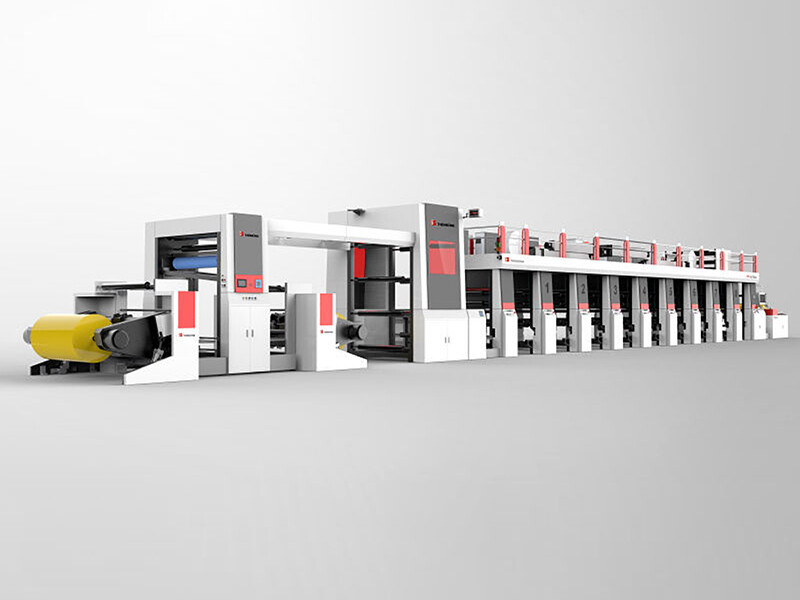
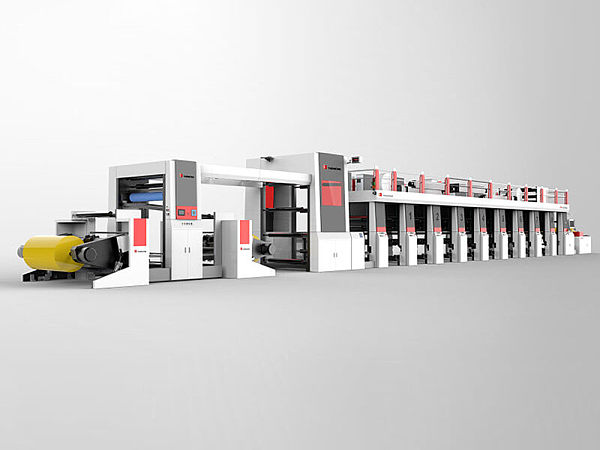
In 2026, the global packaging and printing industry continues to evolve with remarkable advancements in Flexo printing machine technology and shifting High-speed flexographic printing machine price trends. From the rising demand for eco-friendly solutions to improved automated systems in milk packet printing machine applications, industry professionals are closely monitoring cost efficiency and performance. Understanding the latest updates in high speed milk packet printing machines and pricing factors will help buyers and decision-makers make informed equipment investments for sustainable production.
The pricing of high-speed flexographic printing machines in 2026 shows a nuanced trend influenced by raw material costs, component innovations, and global manufacturing capacities. Compared with 2024, average unit prices have risen by approximately 5–8%, driven by component upgrades and stricter carbon footprint compliance requirements in production lines. For budget-sensitive buyers, refurbished or second-hand die-cutting machines have become viable alternatives with 20–30% lower acquisition costs while maintaining acceptable productivity levels.
Another influencing element is supply chain realignment. The lead time for importing core components such as servo motors and anilox rollers extends now to 6–10 weeks, versus 4–6 weeks previously. This slower component supply impacts overall delivery schedules and final pricing. Regions investing in localized manufacturing and modular systems—such as Southeast Asia and Eastern Europe—are witnessing more stable cost baselines and competitive export pricing structures.
Flexographic printing companies also face new market segmentation. Mid-tier printers increasingly demand mid-speed machines operating between 150–250 m/min, which combine affordability and performance. Meanwhile, top-tier high-speed models achieving 400–600 m/min dominate premium orders in food, pharmaceutical, and paper bag packaging applications. The result is a broader pricing corridor ranging from USD 80,000 to USD 300,000 depending on configuration, drying systems, number of color decks, and automation integration.
Buyers should take into account not only purchase costs but total cost of ownership (TCO)—including energy use per square meter printed, maintenance frequency, and expected life cycle of about 8–12 years. Cost-conscious procurement plans in 2026 prioritize machines with energy savings up to 25% and automatic viscosity control systems that reduce operator workload by 10–15%.
Technological Innovations Driving Machine Performance Improvements
Modern flexographic presses in 2026 leverage automation, digital integration, and sustainability-driven technologies. Key trends include AI-based registration alignment, closed-loop color control, and intelligent drying systems using hot air and IR combination. These smart algorithms can automatically correct deviations within ±0.1 mm tolerance, resulting in much higher printing precision and reduced waste rates.
In addition, the integration of Industrial IoT modules standardizes data capture across color stations. Production supervisors can remotely monitor 8–12 performance indicators such as ink temperature, tension consistency, and cylinder speed. Predictive maintenance models now allow early identification of roller calibration issues, reducing unscheduled downtime by about 20% per quarter compared to 2023 levels.
For energy management, new-generation drying tunnels consume 15–25% less energy by optimizing airflow and nozzle distribution. This not only lowers operational costs but also complies with emerging ISO 50001 energy management frameworks applicable to packaging production enterprises. When combined with low-VOC inks and recyclable substrates, these systems improve environmental performance without compromising print quality.
Automation in material handling is another focal point. Automated sleeve change modules can reduce setup time from 45 minutes to under 20 minutes, a significant enhancement for companies managing runs of under 5,000 meters per job. In milk pouch and food bag production lines, upgraded viscosity controllers minimize ink spillage by up to 30%, translating into raw material savings and cleaner work environments.
Emerging technologies like hybrid UV-flexo systems and aqueous-based curing are expanding feasible substrate options, enabling cost-efficient short-run applications. The hybrid trend indicates flexibility in print shop deployment, appealing particularly to converters serving multiple sectors.
Procurement Considerations and Cost Optimization Strategies
Procurement professionals evaluate at least four major dimensions—price, performance, maintenance, and compatibility. Before placing an order, it is advisable to define expected throughput requirements measured in square meters per hour and to calculate target efficiency using benchmark models. A 400 m/min press with 8-color setup typically covers 50,000–70,000 m² per shift, suitable for mid-size converters.
Total cost optimization begins with specification alignment. Selecting excessive capacity often results in underutilization and unnecessary depreciation. Conversely, undersized units can limit capacity expansion and cause throughput loss around 10–15%. Hence, the selection process must balance initial cost against practical loading rates and future upgrade potential.
Vendor evaluation involves reviewing service availability, spare part cycles (average 3–5 years), and response time for on-site maintenance, which should not exceed 48 hours for critical downtime. For global manufacturers, remote diagnostic functions now reduce troubleshooting response by around 35%.
Sourcing second-hand or refurbished equipment can cut procurement budgets substantially. Reconditioned die-cutting or flexo units with verified inspection reports often bring payback periods of under 24 months. However, buyers need to confirm print cylinder balance, PLC version compatibility, and remaining run hours (ideally under 20,000) to ensure quality compliance.
Maintenance, Safety, and Lifecycle Management
Proper maintenance planning extends a high-speed flexographic machine’s operational lifespan by 20–30%. Routine tasks such as anilox cleaning, blade replacement, and lubrication cycles must be executed every 300–500 operating hours. Following OEM maintenance schedules not only minimizes unscheduled breakdowns but also optimizes ink consumption rates, which typically range between 1.8–2.2 g/m² depending on substrate.
Safety protocols are increasingly tied to automated interlocks and digital safety sensors. For instance, motion sensors that halt rollers within 0.3 seconds of unsafe operator proximity significantly reduce occupational risks. Ensuring compliance with IEC 60204 and EN 1010-1 standards is vital during installation and certification processes.
To streamline lifecycle management, many buyers now subscribe to maintenance contracts segmented into three levels—basic inspection, preventive service, and full operation management. The transition toward predictive analytics platforms means that machines can signal upcoming wear-related issues 10–15 days before failure, allowing for timely part replacement planning.
Implementing digital twin systems has become a forward-looking method for long-term sustainability. By simulating roller tension and ink viscosity variation under multiple production scenarios, operators can anticipate yield changes exceeding 2–3% and tune parameters accordingly. This digital optimization directly supports higher productivity per shift while minimizing waste.
Overall, structured maintenance schedules and data-backed decisions are now mandatory considerations for technical teams responsible for both print quality and asset longevity.
Future Outlook and Strategic Recommendations for Stakeholders
By 2026 and beyond, the convergence of energy efficiency, AI-driven automation, and modular design will continue reshaping cost structures for flexographic printing machines. The global market is expected to grow at an annual rate of 4–6%, dominated by the food packaging and paper bag sectors where sustainability and high-speed output converge.
For converters, the strategy should center on hybrid versatility. Machines capable of rapid switchovers between substrates and ink types provide resilience against raw material volatility. Manufacturers investing in digital support systems and on-site technician training will see measurable production reliability gains over 10% across annual output cycles.
Procurement leaders must also plan financing models that accommodate upgrading cycles every 8–10 years, aligning depreciation plans with technological obsolescence timelines. Leasing programs or buy-back options may help maintain balance sheet flexibility and reduce upfront capital risk when adopting high-end machines with servo-driven automation modules.
Across supply and service networks, distributors and agents that focus on spare part logistics efficiency—ensuring 95% availability within 7 working days—will secure higher client retention rates. End-users benefit from continuous operator training and support documentation updates synchronized with firmware upgrades to maintain consistent color calibration.
In conclusion, understanding 2026’s high-speed flexographic printing machine price trends and technological updates allows businesses to formulate sustainable, cost-efficient printing strategies. Decision-makers can maximize ROI by balancing affordability, eco-performance, and productivity. For tailored solutions and equipment recommendations suited to specific packaging needs, contact our professional team today to explore advanced flexographic printing machine options and comprehensive after-sales support services.
Contact Us Today to Get a Quote
WhatsApp:+8613863655370
Tel:+8613863655370
E-mail:Chris@bochuanpack.com