
Global Trends for Paper Bag Printing Machine Manufacturers Moving Toward Sustainable Production in 2026
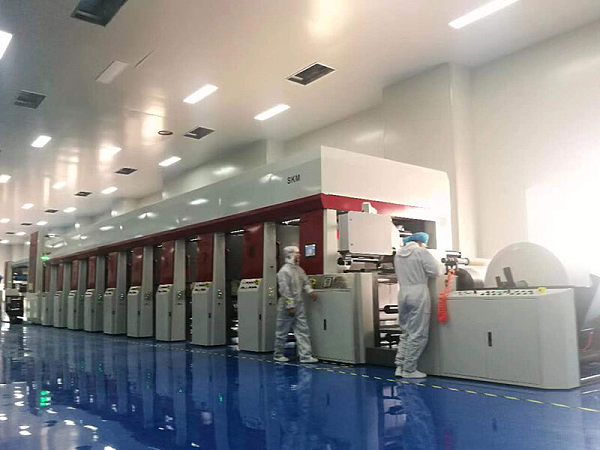
Global Trends for Paper Bag Printing Machine Manufacturers Moving Toward Sustainable Production in 2026
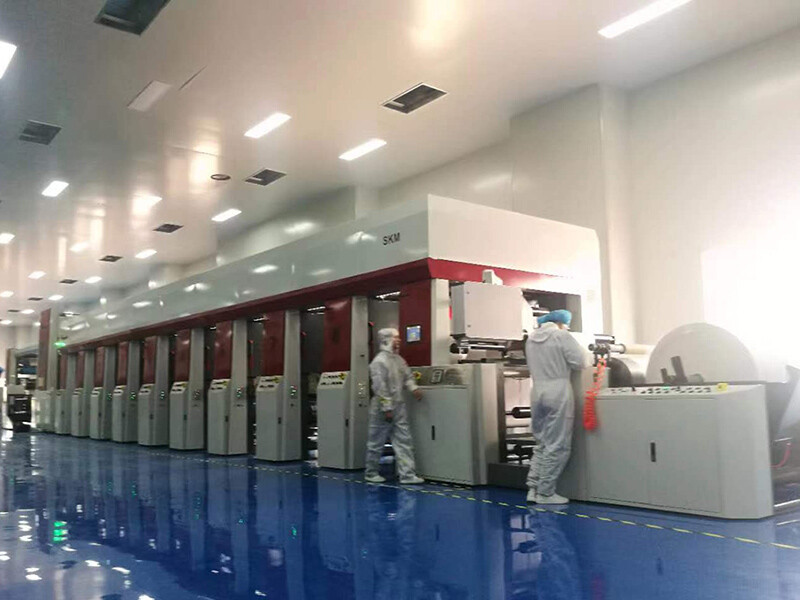
As global packaging and printing industries embrace eco-conscious manufacturing, every paper bag printing machine manufacturer is accelerating innovation in sustainable production. From optimizing the paper bag flexo printing machine price to enhancing the efficiency of high speed paper bag printing machines and smart Flexo printing machine systems, the shift toward greener technology in 2026 is redefining competitiveness and production standards across the sector. For professionals—from procurement managers and engineers to project leaders—the coming years mark a critical transformation toward low-carbon, data-driven, and digitally integrated operations.
1. The Global Push Toward Sustainable Printing Technologies
By 2026, more than 70% of global paper bag producers are expected to shift toward automated flexographic printing systems with integrated energy-saving modules. This transition is not driven by regulation alone but also by the growing market demand for sustainable packaging. Multi-layer paper bags used in retail and food delivery require both precision and eco-safe inks, pushing machine manufacturers to upgrade their flexo printing technologies.
Traditional solvent-based printing lines consume up to 20% more energy per production cycle than modern water-based ink systems. As carbon pricing and environmental taxes increase, manufacturers investing in high-efficiency machines with 10kW–15kW inverters and regenerative drive systems can achieve cost savings of up to 25% annually. Moreover, innovations in quick-drying UV curing units reduce machine downtime by 30%, improving overall throughput.
In the context of global procurement, buyers now evaluate not only the paper bag printing machine price but also sustainability parameters—energy consumption (kWh/hour), ink waste (%), and noise emissions (dB). Those benchmarks have become part of tendering requirements across regions such as the EU, ASEAN, and North America.
The sustainable production initiative is further amplified by digitalization. Smart sensors, predictive maintenance algorithms, and IoT-enabled dashboards allow operators to monitor ink viscosity and roller pressure in real time, minimizing wastage and ensuring consistent color quality across 10,000+ bag prints per batch.
2. Integration of Automation and Smart Control Systems
The next phase of green transformation involves intelligent automation. Modern paper bag printing lines integrate PLC control, servo registration systems, and automatic tension management. A typical high-speed line achieving 120–200 meters/minute throughput relies on precision up to ±0.1mm. Such accuracy minimizes paper waste by up to 8% per roll, which translates to savings across thousands of production runs annually.
For operators, automation reduces manual adjustment frequency from 15 times per shift to as few as 3, increasing safety and reducing fatigue. Intelligent diagnostic modules detect roller wear or ink pump issues before failure, extending component lifespan by 20–30%. The shift from reactive to predictive maintenance defines the reliability standard heading into 2026.
Procurement and IT integration officers focus on whether the machine supports OPC-UA or MQTT data protocols, enabling connectivity to ERP or MES systems. Such connectivity provides insight into production efficiency, energy peaks, and quality deviations—a key factor for factories pursuing ISO 14001 environmental certification.
Automation also simplifies cross-training. Production managers report that staff can master machine operation within 2–4 weeks, compared with 6–8 weeks previously. This helps maintain continuous operation even with labor fluctuations, a critical advantage in global manufacturing environments.
3. Comparing Machine Types and Performance Specifications
With varied operational scales, buyers often choose between inline and central impression (CI) flexo machines. Their capability differences influence both product quality and eco-efficiency. Manufacturers specializing in paper bag printing must consider print width (typically 600–1800mm), number of colors (2–8), and drying technologies (hot air vs. infrared vs. UV).From a cost perspective, inline models remain popular for small and medium producers with annual volumes below 30 million bags, while CI machines suit industrial-scale production above 80 million units. The trade-off between initial price and long-term operational cost should be calculated over a 5–7 year lifecycle analysis.
Combining automation described earlier with the right structural design helps businesses achieve both sustainability and productivity targets without overspending on underutilized capacities.
4. Procurement, Operation, and Maintenance Strategies
From the decision-maker’s view, equipment procurement in 2026 will rely on four evaluation pillars: performance-to-price ratio, maintenance cycle, compliance certifications, and lifecycle cost. Financial approvers focus heavily on total cost of ownership (TCO), which typically includes a 15–20% portion allocated to energy and consumables.
Maintenance teams should schedule preventive inspection every 1,000 production hours, covering anilox roll cleaning, gear lubrication, and ink circulation balance. Regular service prolongs durability by up to 25%, reducing unscheduled downtime below 2% annually. Operators report improved output stability when maintenance logs are digitally connected via MES systems.
For distributors and resellers, having access to a transparent spare parts catalog and 5-day guaranteed delivery enhances aftersales reputation. With the global supply chain becoming more volatile, maintaining a 10% spare component stock is an accepted safety buffer for continuous operations.
Paper bag printing machine suppliers that offer second-hand die-cutting machines alongside new models appeal to price-sensitive buyers seeking shorter ROI cycles (typically 18–24 months). Integrated refurbishment and training services add tangible decision value.
Key Procurement Checklist
Check power configuration: 380V/50Hz, 3-phase, rated current tolerance ±10%.
Verify support for water-based or low-VOC ink systems.
Request 48–72 hour continuous operation test data before acceptance.
Ensure local service availability within 72-hour response time.
Include training for at least 2–3 technicians in the initial contract.
5. Future Market Outlook and Investment Opportunities
According to industry projections, the paper bag printing machinery sector is expected to grow 6–8% annually between 2024 and 2026, driven by e-commerce packaging demand and plastic reduction policies. Manufacturers focusing on 100% biodegradable substrates and solvent-free printing inks are best positioned to capture premium contracts.
Investment priorities are shifting from simple capacity expansion to digital capability building. Equipment companies implementing Industry 4.0 upgrades—data analytics, sensor integration, and cloud monitoring—will see maintenance cost reductions of roughly 15% per line. R&D spending in AI-assisted color calibration systems is also increasing, targeting ±0.05mm print alignment accuracy by late 2026.
For global distributors, offering both new and second-hand printing and die-cutting machines is expected to broaden market penetration by 20–25%. Sustainable branding and certified energy performance labels are becoming decisive factors during international trade negotiations, particularly in Europe and Japan.
Companies planning to enter this segment should allocate at least 8–10% of annual turnover to technology modernization if they aim to stay competitive beyond 2026. As sustainability becomes mandatory rather than optional, those investments translate directly into long-term operational resilience.
Forecast Highlights
Global paper bag printing equipment exports to rise by 12% per year.
Eco-certified machines predicted to account for 65% of sales by 2026.
Average payback period expected to shorten from 3.5 years to 2.8 years.
6. FAQ: Practical Insights for Buyers and Engineers
How to select a suitable paper bag printing machine for 2026 production goals?
Consider three quantitative parameters: target print width (e.g., 600–1500mm), speed range (80–250 m/min), and color accuracy tolerance (±0.1–0.2mm). Match them with your SKU volume and substrate thickness to avoid over- or under-specification.
What is the average delivery time for customized flexographic printing equipment?
Lead time generally runs between 8–14 weeks, depending on the number of printing units and control system configuration. For large-volume CI machines with drying tunnels, shipping may extend up to 16 weeks including factory acceptance tests.
What are common maintenance pitfalls that affect sustainability?
Insufficient cleansing of ink circuits reduces flow efficiency by nearly 10% and increases VOC emissions. Overlooking gear alignment twice a year often results in 0.2mm print drift, causing material waste. Scheduled checkups every 1,000 machine hours are essential to preserve both quality and eco-performance.
Can refurbished machines meet 2026 sustainability requirements?
Yes, provided they are retrofitted with energy-efficient motors and low-VOC ink systems. Many suppliers provide upgrades under certified programs extending machine life by 3–5 years while aligning with 2026 emission standards.
Conclusion and Call to Action
Sustainable production in the paper bag printing sector is no longer just a compliance requirement—it is a profitability strategy. Automation, energy optimization, and smart control integration redefine the competitive advantage of machine manufacturers. For decision-makers and procurement teams, investing today in eco-efficient equipment guarantees alignment with future environmental and financial expectations.
Whether you are exploring flexographic printing machines, assessing second-hand die-cutting lines, or upgrading existing paper bag production units, adopting green and digital technologies is the path forward. Reach out to our technical experts to evaluate your production goals and receive tailored recommendations for the 2026 sustainable packaging era.
Contact us now to request detailed specifications, customized quotations, or an on-site consultation for your printing and packaging equipment needs.
Contact Us Today to Get a Quote
WhatsApp:+8613863655370
Tel:+8613863655370
E-mail:Chris@bochuanpack.com