
Common Maintenance Challenges in High Speed Paper Bag Printing Machines and How to Prevent Downtime
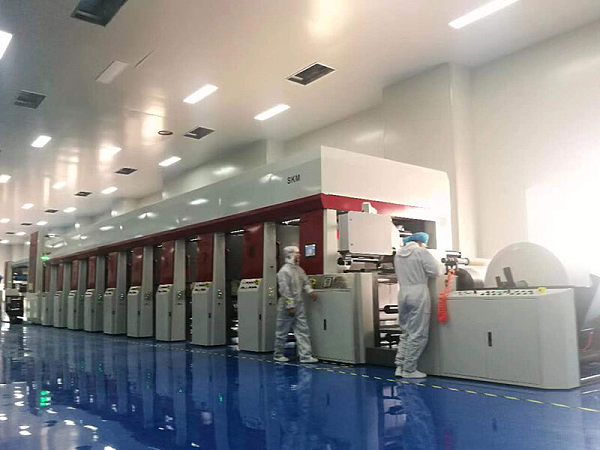
Common Maintenance Challenges in High Speed Paper Bag Printing Machines and How to Prevent Downtime
High-speed paper bag printing machines are essential for efficient and consistent packaging production, but even a minor maintenance issue can lead to costly downtime. As a professional paper bag printing machine manufacturer, we understand the common challenges faced in operating and maintaining these systems. This article explores how to identify potential issues early, optimize maintenance schedules, and ensure your flexo printing machine continues to perform at its best—helping you reduce operational costs and achieve reliable results at a competitive paper bag flexo printing machine price.
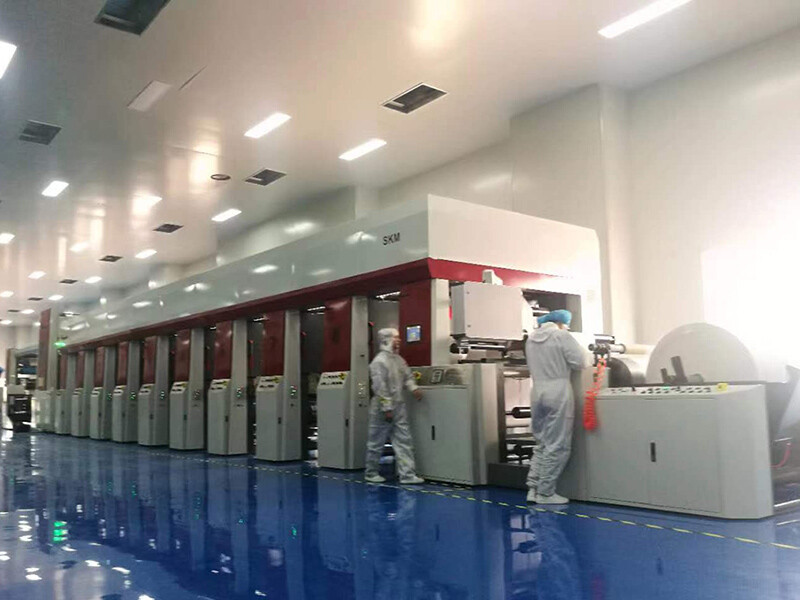
Key Maintenance Challenges in High-Speed Paper Bag Printing
Running at speeds of 150–400 meters per minute, modern flexographic paper bag printers are engineered for maximum productivity. However, continuous operation accelerates wear on rollers, gears, and ink distribution systems. Maintenance teams often face mechanical vibration, tension imbalance, or ink drying issues that compromise print quality.
One major challenge is ink viscosity control. Incorrect viscosity—either too thick or too thin—can cause uneven color density or excessive ink consumption. Regular checks every 4–6 hours of production help stabilize ink properties within ±3% of target thickness.
Another common issue is web alignment error. Even a misalignment of 0.5 mm can result in color registration drift, leading to up to 5% production waste. Systems equipped with automatic tension sensors and servo-driven web guides minimize such deviations, but calibration must be verified every 7–10 production days.
Electrical faults also represent a frequent cause of unscheduled downtime. According to industry data, electrical malfunctions account for roughly 25% of machine stoppages lasting over 30 minutes. Routine electrical diagnostics using infrared thermography aids in identifying overheating components before failure occurs.
Preventive Maintenance Strategies for Flexographic Printing Systems
Preventive maintenance aims to detect and resolve potential failures before they cause downtime. This approach is particularly relevant for flexographic machines operating in three-shift production schedules exceeding 18 hours per day. A consistent maintenance plan typically includes inspection of mechanical, pneumatic, and electrical systems every 250–400 operational hours.
For ink systems, periodic flushing with a compatible cleaning solvent every 72 hours prevents pigment sedimentation. Automatic anilox roll cleaning units can remove deposits within 10–15 minutes, increasing roll life by approximately 20%. Monitoring ink chamber seals for leakage is equally critical, as a leakage rate above 1 ml/min may affect print density consistency.
Lubrication schedules should be defined based on machine load. For example, when operating continuously above 300 m/min, bearing lubrication intervals should not exceed 180 production hours. Use of temperature-resistant lubricants rated to 120℃ helps maintain viscosity stability and extend bearing life by 1.5×.
Reducing Downtime Through Workflow Optimization
Downtime prevention is not only about technical maintenance but also operational coordination. Production managers should monitor Overall Equipment Effectiveness (OEE) metrics—particularly availability and performance rates. An OEE score below 80% signals inefficiencies in changeover or material supply.
Improving job setup efficiency through digital registration systems can cut changeover time from 45 minutes to under 20 minutes in high-mix production environments. Likewise, preload checks for plate mounting accuracy within ±0.3 mm reduce the probability of initial rejects by around 8–10% per batch.
To ensure continuous material feed, automatic unwinding units with a web tension control range of 5–30 N deliver steady performance across varying paper GSM levels (typically 45–120 g/m²). Adjustable tension control prevents web breaks and improves machine uptime by approximately 12%.
Operators should also apply standardized checklists before each production batch. The following five-step workflow can significantly simplify maintenance coordination and downtime prevention.
Pre-run inspection of tension, sensors, and ink supply lines.
Verification of anilox and plate cylinder cleanliness.
Calibration of temperature and humidity settings (18–25℃, 50–60% RH).
Execution of test print and color registration alignment.
Post-run cleaning and record logging for predictive analytics.
Consistent adherence to these steps across shifts supports data-driven maintenance forecasting and reduces material waste by as much as 15% annually.
Procurement and Lifecycle Management Considerations
When evaluating high-speed paper bag printing machines, decision-makers should assess both initial cost and lifetime operational expenses. A system with modular design and accessible components may reduce maintenance labor by 20–25% over a five-year lifecycle. Spare part availability within 7–10 days is also crucial for minimizing downtime during unexpected repairs.
Buyers should request detailed Mean Time Between Failures (MTBF) data; for quality-grade flexo printing equipment, MTBF should typically exceed 1,500 hours under normal operating load. Evaluating automation layers—including remote diagnostics and energy monitoring—also enhances cost control for medium- to large-scale production lines.
Procurement decisions benefit from a multi-criteria review process.
Frequently Asked Questions about Maintenance and Operation
How often should preventive maintenance be performed?
Most manufacturers recommend major preventive service every 300–400 operational hours, with smaller weekly checks on ink lines, rollers, and sensors to ensure optimal performance.
What environmental conditions are best for printing stability?
Maintain a controlled environment of 18–25℃ temperature and 45–65% relative humidity. Deviations beyond 5% of these thresholds can cause static buildup, ink drying, or substrate deformation.
Which spare parts should be kept in stock?
It is advisable to stock at least one set each of doctor blades, anilox rolls, pressure rollers, and electronic sensors, covering approximately 1–2% of annual machine value to minimize emergencies.
How can operators extend the service life of printing cylinders?
Using non-abrasive cleaning solutions and storing cylinders under controlled humidity (50–60% RH) can extend cylinder life by 30–40%, lowering long-term maintenance cost.
Conclusion and Next Steps
Maintaining high-speed paper bag printing equipment demands structured attention to detail across mechanical, electrical, and process domains. Timely maintenance and smart inspection strategies not only prevent downtime but also ensure consistent print quality and lower operating costs. Whether managing a single flexo press or multiple production lines, adopting predictive maintenance practices supported by trained technicians will maximize uptime and production efficiency.
If you are evaluating or upgrading flexographic printing machines, second-hand die-cutting machines, or paper bag printing machines, our team can help you customize maintenance-friendly configurations and deliver sustainable performance solutions. Contact us today to learn more or request a tailored equipment consultation.
Contact Us Today to Get a Quote
WhatsApp:+8613863655370
Tel:+8613863655370
E-mail:Chris@bochuanpack.com