
Eco-friendly paper bag printing machine vs Flexo printing machine: 7-point cost, speed & quality comparison for buyers (2025)
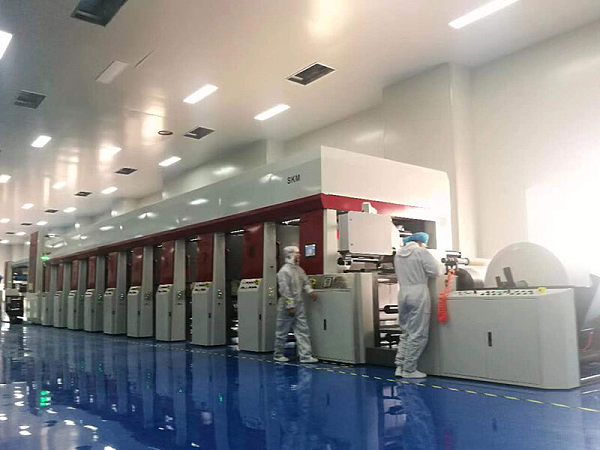
Facing 2025 procurement and operational pressures, buyers need a clear, practical comparison between an eco-friendly paper bag printing machine and a traditional Flexo printing machine. This 7-point cost, speed & quality guide helps paper bag printing machine manufacturers, paper bag printing machine suppliers, procurement teams and technical evaluators weigh total cost of ownership, throughput, print fidelity and sustainability impact. Whether you’re an operator, project lead or business decision-maker, this concise comparison arms you with the right questions and metrics to choose the machine that matches your production, compliance and ROI goals. In this context, definitions matter: an eco-friendly paper bag printing machine focuses on low-VOC inks, water-based or UV-curable inks with recyclable substrate handling and energy-efficient drives, whereas a Flexo printing machine typically refers to a flexographic press optimized for high-speed roll-to-roll or sheet-fed production using anilox metering and solvent or water-based inks. The difference in process, ink metering and substrate handling drives divergent capital expenditure and operating expense profiles for purchasing teams and finance approvers. For information researchers and technical evaluation personnel, consider these baseline variables: ink chemistry, drying method, platen and tension control, die-cutting integration, and lifecycle maintenance. For operators and maintenance staff, changeover time, plate mounting complexity and consumables availability are immediate pain points. Procurement must compare not only the sticker price from a paper bag printing machine supplier but also energy consumption, VOC mitigation systems, warranty response times, spare parts commonality, and second-hand retrofit opportunities. For reseller partners and distributors, clarity on lead time, modular upgrades and training offerings from a paper bag printing machine manufacturer are decisive. Throughout this guide we reference measurable KPIs—cost per thousand bags, throughput per hour, press availability percentage, and print defect rate per million impressions—so your selection process uses quantifiable tradeoffs, not impressions alone. This opening section frames the market context and prepares you for the seven-point, metrics-driven comparison that follows.
 .
.
Seven-Point Comparison: Cost, Speed & Quality
When a procurement team compares an eco-friendly paper bag printing machine against a Flexo printing machine, seven decision dimensions typically dominate: capital cost and TCO; ink and consumables expense; throughput and changeover speed; print fidelity and color consistency; waste rates and sustainability metrics; maintenance complexity and spare parts logistics; and compliance, safety and operator training. Cost: initial purchase price for many flexo lines may be competitive, but include plate making, anilox sleeves, and solvent control equipment when calculating total. An eco-friendly paper bag printing machine may command a premium upfront yet reduce solvent recovery costs and volatile organic compound (VOC) compliance spend over its lifecycle. Speed: Flexo printing machines often achieve higher nominal speeds on long runs due to continuous roll handling, but the changeover and plate-mount time can increase non-productive intervals. For mixed SKU operations common in retail packaging, a paper bag printing machine supplier offering quick-makeready solutions and digital integration can outperform in overall throughput measured as effective bags/hour. Quality: print fidelity depends on dot gain control, anilox selection, and substrate properties; eco-friendly presses using UV or water-based systems have closed-loop color management options that rival flexo in most consumer packaging cases. Technical performance considerations include registered tolerances, repeatability over long runs, and die-cut alignment for handle placement on bags; these factors affect downstream converting yield and customer satisfaction. Procurement Guide: structure vendor evaluations with a weighted scorecard covering OEE estimates, cost per thousand bags, warranty terms, spare parts lead time, on-site training hours, and energy consumption per 1,000 bags. Ask suppliers for audited references and a sample run on your paper stock. For technical evaluators, request demonstration prints and measurable metrics: Delta E for color accuracy, abrasion resistance tests, and solvent emission readings. Cost & Alternatives: where budget constraints exist, consider refurbished flexo units or second-hand die-cutting machines paired with a newer eco-friendly printing head to blend lower CAPEX with improved sustainability. For distributors and resellers, offering bundling options—service contracts, consumables, installation and training—makes the proposition more attractive to enterprise buyers and finance approvers. This section gives you a checklist and scoring framework to compare vendor proposals objectively and to negotiate terms that align with your production profile.
Applications, Case Insights, Trends and Call to Action
Application Scenarios & Case Studies: small and mid-size bag converters often choose an eco-friendly paper bag printing machine when the priority is sustainable credentials for retailers and low-volume SKUs with frequent design changes. High-volume grocery bag producers may still prefer a Flexo printing machine for continuous, high-speed runs where unit cost is paramount. A recent client case: a regional converter replaced two older flexo lines with a hybrid approach—one eco-friendly sheet-fed bag press for premium, short-run branded bags and one reconditioned flexo for commodity runs—reducing overall waste by 28% while improving time-to-market for promotional SKUs. Standards & Compliance: vendors should demonstrate conformity to local VOC regulations, ISO 14001 environmental management principles, and relevant safety standards for electrical and mechanical systems.
Why choose us / Contact us: We specialize in flexographic printing machines, second-hand die-cutting machines, paper bag printing machines, and other printing equipment. Our expertise helps distributors, procurement teams, technical evaluators and plant managers select the right mix of new, refurbished and retrofit solutions. Contact our sales engineers for a bespoke total cost model, a live sample run on your stock, and a site-level ROI projection tailored to your product mix and sustainability targets. Reach out to request a demo, supplier scorecard template, or on-site audit to validate the numbers in your procurement process.
Contact Us Today to Get a Quote
WhatsApp:+8613863655370
Tel:+8613863655370
E-mail:Chris@bochuanpack.com