
How to choose the right paper bag printing machine manufacturer in 2025: ROI, uptime and delivery checklist
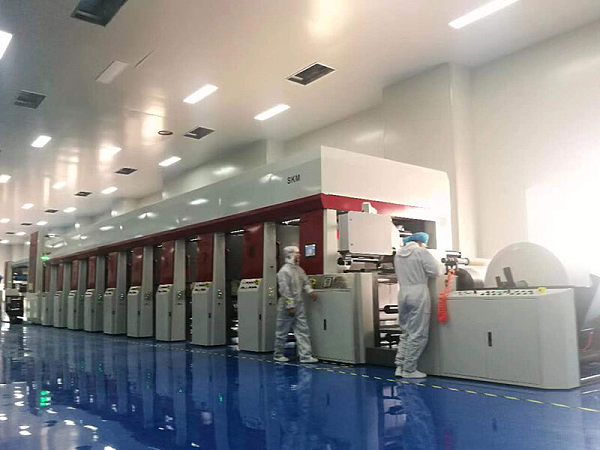
In 2025, choosing the right paper bag printing machine manufacturer requires balancing ROI, uptime and delivery reliability. This guide helps procurement, technical evaluators and operations teams compare vendors — from a trusted paper bag printing machine supplier to makers of an eco-friendly paper bag printing machine and advanced Flexo printing machine lines — so you can quantify savings, minimize downtime and secure dependable lead times. Use this checklist to frame vendor questions, evaluate total cost of ownership and align procurement with quality, safety and after-sales support for faster, lower-risk purchasing decisions. We specialize in flexographic printing machines, second-hand die-cutting machines, paper bag printing machines,and other printing equipment. As you read on, expect a practical mix of definition, market context, technical checks and procurement guidance designed specifically for information researchers, operators, technical evaluators, procurement teams, business reviewers, finance approvers, quality and safety managers, project leads, maintenance staff, distributors and end consumers who must justify machine selection with clear ROI and measurable uptime targets. The goal is simple: help you choose a reliable paper bag printing machine manufacturer while validating claims about energy efficiency, waste reduction and supply chain predictability. In practice, that means identifying a paper bag printing machine supplier who demonstrates transparent lead times, provides spare parts availability, and documents real-world uptime metrics. For organizations prioritizing sustainability, confirm that an eco-friendly paper bag printing machine meets current recyclability and ink VOC thresholds and supports water-based or low-VOC varnish options. For those focused on productivity, ensure the Flexo printing machine specifications include quick job changeovers, automated register controls and modular platemaking options so that throughput is predictable and maintenance windows are short. Procurement teams should collect vendor references that map to similar production volumes and bag substrates, and technical evaluators should insist on factory acceptance test (FAT) reports with signed uptime and quality metrics. This opening section sets expectations: we will define industry terms, summarize market trends, outline technical KPIs you should test, and deliver a clear procurement checklist to reduce project risk and optimize total cost of ownership.
Definition, Market Overview and Technical Performance
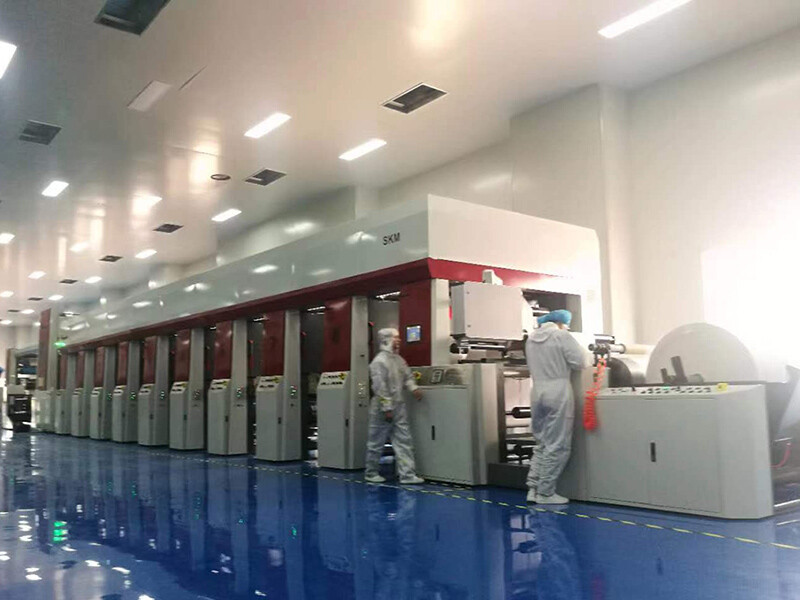
Start by establishing clear definitions so stakeholders share the same criteria. A paper bag printing machine manufacturer typically supplies equipment that prints on single-ply and multi-ply paper via flexography, gravure or digital finishing; in this guide the focus is on vendors of Flexo printing machine lines and integrated systems for paper bags. The market overview matters: global demand for sustainable packaging continues to accelerate, pushing more buyers to prioritize an eco-friendly paper bag printing machine that reduces ink consumption and supports certified recyclable substrates. For technical performance, list measurable KPIs and require vendors to document performance under your substrate and ink chemistry: line speed (m/min), achievable print quality (measured in LPI or ISO dot gain), uptime percentage (target 95%+ in high-volume lines), mean time to repair (MTTR), and parts lead time. Compare these metrics across shortlisted vendors to convert qualitative claims into quantifiable outcomes. Technical evaluators should probe the Flexo printing machine for these capabilities: automated anilox management, servo-driven registration, quick-change plate cylinders, ink viscosity monitoring, and built-in job recipes for repeatability. Ask for thermal and electrical load data if energy savings are important, and validate whether the eco-friendly paper bag printing machine supports water-based inks, low-VOC alternatives, or solvent-recovery modules. Standards and certification are non-negotiable: insist on CE or relevant regional safety approvals, RoHS where applicable for electronics, and ISO 9001 for the manufacturer's quality management. For sustainability verification, request third-party attestations like FSC chain-of-custody compatibility for bag substrates and ECO-label proof for the inks or coatings used. Finally, cross-check claims with case references: a reliable paper bag printing machine supplier will provide measurable downtime statistics from customers with similar shift patterns, and will be willing to schedule a site visit or a virtual FAT to demonstrate uptime and changeover performance under real production conditions.
Procurement Guide, Cost Analysis, Case Examples and Call to Action
When moving from evaluation to purchase, create a procurement checklist tailored to stakeholders: operations wants uptime and maintainability; finance needs ROI scenarios and payback calculations; quality teams require tolerances and defect rates; maintenance seeks spare parts lists and service SLAs; and project leads need realistic lead times and installation plans. Use this sequence: 1) Request for Information (RFI) to screen capabilities; 2) Request for Quotation (RFQ) with clarified warranty and spare parts terms; 3) Factory Acceptance Test booking and a sample print trial; 4) Final commercial terms including penalties for late delivery and defined acceptance criteria. For cost and alternatives, evaluate total cost of ownership rather than invoice price. Include capital cost, installation, tooling (plates/doctor blades/anilox), expected consumables per 10,000 bags, energy use, routine maintenance hours, parts replacement intervals, and residual value. Consider second-hand die-cutting machines or retrofitted Flexo printing machine modules as cost-effective alternatives if budget is constrained; our experience with second-hand equipment shows sensible ROI when validated by thorough mechanical and electrical inspection and by a service-backed spare parts agreement. Real-world case studies help de-risk decisions: for example, a mid-sized converter that chose a modular eco-friendly paper bag printing machine reduced ink waste by 20% and decreased changeover time by 35%—results backed by logged production runs and verified by the supplier. For distributors and agents, detail margin structures, lead times for priority spare parts, and joint service escalation paths. For after-sales teams, demand documented training plans and remote-diagnostics capabilities so that common faults are resolved within defined MTTR windows. Finally, why choose us and how to contact us: if you need a partner who understands the nuances of flexographic production, and who can supply both new Flexo printing machine lines and serviced second-hand die-cutting machines alongside paper bag printing machines, reach out for a tailored ROI assessment and an uptime-driven delivery plan. We specialize in flexographic printing machines, second-hand die-cutting machines, paper bag printing machines,and other printing equipment, and we can provide the technical dossiers, FAT scheduling and lifecycle cost modeling that your procurement, technical and finance teams require. Contact our sales engineering team to arrange a site demonstration, request sample proofs, and obtain a supplier scorecard aligned with your internal approval process.
Contact Us Today to Get a Quote
WhatsApp:+8613863655370
Tel:+8613863655370
E-mail:Chris@bochuanpack.com