
5 questions procurement must ask every paper bag printing machine supplier before signing — lead times, spares & SLA (2025)
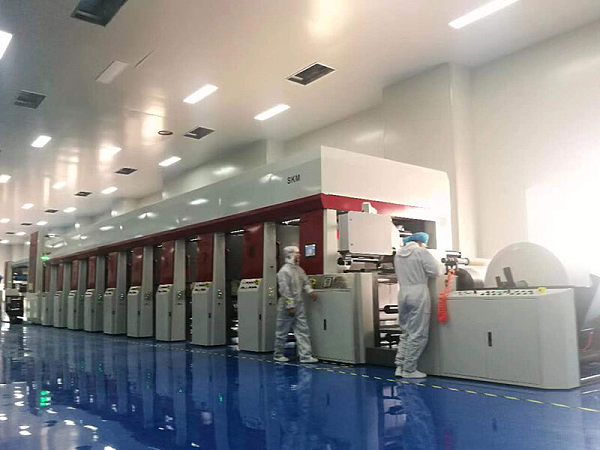
When procuring a paper bag printing machine in 2025, asking the right questions separates costly mistakes from a reliable investment. This short guide highlights the five essential queries procurement teams, technical evaluators and decision-makers should pose to any paper bag printing machine manufacturer or paper bag printing machine supplier—covering lead times, spare parts availability, warranty and SLA terms, eco-friendly paper bag printing machine options, and performance expectations for your Flexo printing machine setup. Read on to ensure you sign contracts that protect uptime, quality and ROI. In practice, procurement moves beyond price comparison; it needs predictable lead times, verifiable spare parts inventories, responsive service-level agreements and clear documentation about consumables, tooling and environmental claims. For information researchers and operations teams the focus is different but aligned: operators need a Flexo printing machine that integrates with production workflows, maintenance teams need spare parts lists and repair turnarounds, and financial approvers need lifecycle cost models that include mean time between failures and spare part consumption. A reputable paper bag printing machine manufacturer will provide test reports, typical lead time windows, and supply-chain contingencies. An honest paper bag printing machine supplier will outline how they source critical components and whether the machine qualifies as an eco-friendly paper bag printing machine based on recycled-content compatibility, water- or solvent-based ink options, and energy efficiency. When you evaluate a Flexo printing machine for paper bag production, also confirm whether the supplier offers retrofit kits, spare station modules, and remote diagnostics. These details matter for procurement officers who must balance capital expenditure, production uptime and sustainability targets. In short, start every supplier conversation with firm questions about delivery calendars, parts availability, contractual SLAs, environmental claims for an eco-friendly paper bag printing machine, and the real-world performance you can expect from a Flexo printing machine in your plant.
Definition & Market Overview
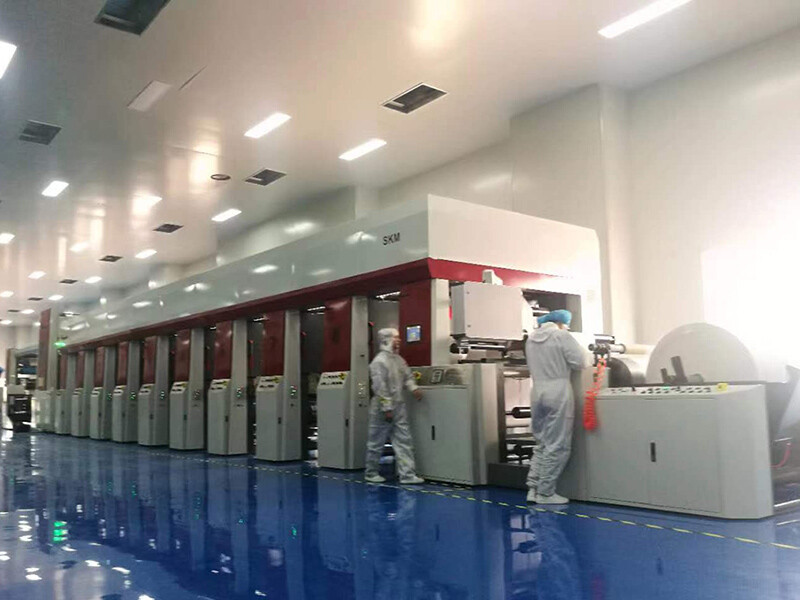
Definition: A paper bag printing machine is equipment designed to print branding, barcodes and decorative graphics onto paper substrates used for bags, sacks and retail packaging. In the flexographic domain a Flexo printing machine applies ink via flexible plates to enable high-speed, repeatable visuals while allowing quick changeovers for varying bag sizes and grammages. The term also covers hybrid lines that combine flexo, rotary die-cutting and bag-making modules; second-hand die-cutting machines remain a common option for budget-sensitive operations. Market Overview: The global packaging printing sector in 2025 continues to emphasize sustainability and speed to market. Retail and food-service demand pushes investments to machines that support recycled and uncoated paper stocks, low-migration inks and reduced energy footprints—qualities often marketed under eco-friendly paper bag printing machine claims. Procurement teams should note that not all suppliers who label equipment as eco-friendly meet the same standards; ask for test certificates, material compatibility sheets, and third-party verification. A competitive paper bag printing machine supplier will show production throughput metrics, typical changeover time, and demonstrated uptime figures from installed sites. Demand for Flexo printing machine lines remains strong because flexo balances print quality and productivity for long runs and variable SKUs. For buyers, the market is fragmented: large OEMs, regional paper bag printing machine manufacturers and specialist refurbishers selling second-hand die-cutting machines. Each offers trade-offs in cost, lead time and post-sale support. Choosing between them requires attentive evaluation against your business priorities: lead time sensitivity for seasonal peaks, the need for immediate spare part availability, and sustainability targets that may favor an eco-friendly paper bag printing machine over a lower-cost, higher-energy alternative.
Procurement Guide, Technical Performance & Practical Questions
Procurement Guide: Successful procurement teams frame five questions before signing. Here they are, expanded for clarity and operational value, followed by technical checkpoints and a short call to action. 1) What are realistic lead times and what contingencies exist? Ask the paper bag printing machine manufacturer for a production schedule, supplier lead-time ranges for critical subassemblies, and escalation plans if a component is delayed. Demand written lead-time commitments in the contract and penalties or remedies tied to missed delivery windows. 2) How are spare parts stocked and shipped? Confirm whether the paper bag printing machine supplier holds local inventory for wear items (doctor blades, anilox sleeves, bearings) and the expected time-to-ship for larger assemblies. Require a parts list with part numbers, mean usage rates, and access to exploded drawings so maintenance and spare stocking decisions are evidence-based. 3) What warranty, SLA and uptime guarantees are included? Insist on defined SLA metrics: response time for remote support, on-site attendance windows, mean time to repair (MTTR) and uptime targets. Include escalation paths to regional service managers and options for extended coverage. 4) Can the machine truly support eco-friendly production? Validate the eco-friendly paper bag printing machine claims through material compatibility, ink systems (water-based or low-VOC), energy consumption data and any relevant certifications (e.g., FSC compatibility, ISO environmental management references). 5) What are measured performance benchmarks? Request sample run sheets showing speed, quality tolerances, color consistency across long runs and changeover durations on a Flexo printing machine. Technical Performance: Verify print repeatability, registration accuracy (micron tolerances), maximum grammage handling, and in-line finishing availability. Seek evidence of vibration control, servo drive quality and ease of operator access for cleaning and maintenance. Case Notes & FAQ: Common misconceptions include assuming identical part interchangeability across models, underestimating lead times for custom tooling, and accepting vague “eco-friendly” claims without documentation. Real user scenarios show that procurement that required spare part kits and a local stocking plan achieved 30–45% faster MTTR during the first 18 months of operation. Why choose us? We specialize in flexographic printing machines, second-hand die-cutting machines, paper bag printing machines,and other printing equipment. Our teams provide validated lead-time windows, curated spare-part programs, and service-level commitments tailored to your production profile. Contact us for a site-specific production assessment, a verified spare parts list and a proposal that aligns SLA terms with your uptime and sustainability goals. We will help you select the right paper bag printing machine supplier and configure a Flexo printing machine line that balances throughput, quality and lifecycle costs.
Contact Us Today to Get a Quote
WhatsApp:+8613863655370
Tel:+8613863655370
E-mail:Chris@bochuanpack.com