NEWS
Flexographic printing machine: 2026 packaging trends and efficiency gains
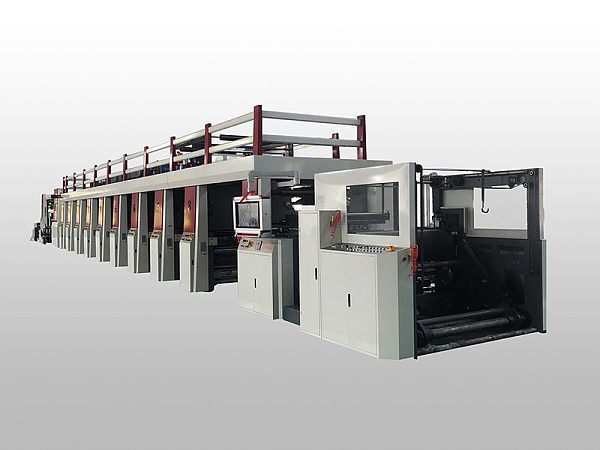
As packaging shifts toward sustainability and faster turnarounds in 2026, manufacturers and procurement teams are reevaluating equipment to boost throughput and reduce waste. This guide shows how a modern Flexographic printing machine and flexographic printing machine for packaging deliver higher speeds, color fidelity, and lower total cost of ownership, while spotlighting options from top paper bag printing machine manufacturer and high speed paper bag printing machine models. Technical comparisons, operator insights, and ROI benchmarks help engineers, QA, purchasing, and after-sales teams evaluate risks and choose the best solution for competitive packaging operations.
What is a flexographic printing machine and why it matters in 2026
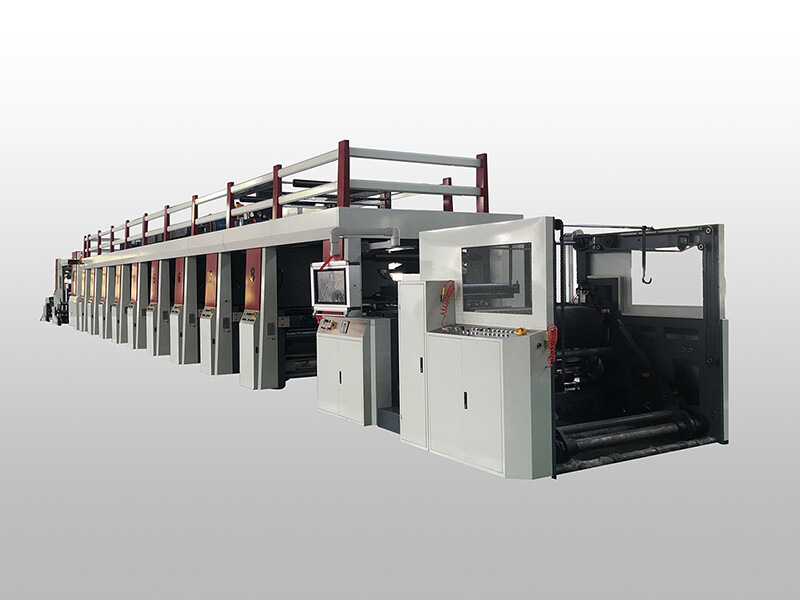
A flexographic printing machine is a rotary printing press using flexible relief plates to print on substrates such as paper, film, and paper bags. For packaging, flexo combines speed with wide substrate compatibility, supporting coatings and varnishes inline. Typical configurations in packaging plants range from single-color narrow-web units to 6–10 color wide-web presses for multi-layer jobs.
In 2026, priorities include reduced waste, faster job changeover, and sustainable inks and substrates. Manufacturers choose flexo when they need continuous runs, repeatable color, and integration with die-cutting or bag-making lines. Common operational timeframes are sample turnaround in 7–15 days and full production runs scheduled within 2–4 weeks for stocked configurations.
Stakeholders who benefit include line operators, quality engineers, procurement teams, and after-sales technicians. For each group, flexo's advantages differ: operators value simple plate handling and quick make-readies; procurement values lower per-unit cost for medium-to-large batches; QA values st able registration and repeatability within ±0.2–0.5 mm.
Key adoption drivers for packaging teams
Adoption drivers in 2026 include environmental mandates for recyclable substrates, demand for shorter lead times, and the need for inline finishing. Typical evaluation cycles are 3 stages: initial feasibility (1–2 weeks), factory acceptance tests (1 week), and on-site commissioning (3–7 days). These stages align with procurement review windows common in mid-size to large enterprises.
Application scenarios and model selection: which flexo fits your plant?
Different packaging needs call for distinct machine classes. Below are common scenarios and the practical selection criteria for procurement and operations teams. Use these scenarios to narrow choices early in vendor discussions.
Scenario categories: small-batch personalized runs, medium-volume multi-SKU packaging, and high-speed commodity bag production. Typical batch ranges align as: small (<5,000 medium="" 000="" large="">50,000 units). Select machines with modular color stations and quick-change plate cylinders for medium-to-high mix environments.
Procurement, implementation steps and ROI benchmarks
Procurement of a flexographic printing machine should follow a structured 4-step process: requirements definition, vendor shortlisting, factory acceptance, and on-site commissioning. Each step typically takes 1–4 weeks depending on customization and lead times for spare parts or toolings.
A practical 4-step procurement flow for packaging teams:
Define core KPIs: target throughput (m/min), cost per unit, acceptable waste rate (%), and energy limits.
Shortlist 3 vendors: request datasheets, sample runs (3–5 test designs), and references for similar installations.
FAT and SAT: schedule 3–7 day factory acceptance and 2–4 day on-site commissioning with acceptance criteria.
Handover & training: provide 2–5 days operator training and a 6-item acceptance checklist for QA and maintenance teams.
Acceptance checklist (6 items): registration stability over 30 minutes, color density repeatability across 3 repeats, make-ready time under defined threshold, inline finishing sync, safety interlocks tested, and spare parts kit verification. These measurable checks reduce commissioning disputes and accelerate ROI realization.
Maintenance, risk mitigation and common pitfalls
Planned maintenance keeps a flexographic printing machine productive. Recommended maintenance cadence: daily operator checks, weekly cleaning and roller inspection, monthly regulator and bearing inspection, and quarterly PLC/software updates. Preventive intervals of monthly and quarterly reduce unexpected downtime and extend component life.
Common risks include incorrect substrate tensioning, inadequate plate mounting causing registration drift, and insufficient ventilation for solvent-based inks. Typical runtime targets per shift are 8–20 hours of continuous operation; machines should be assessed for thermal stability in continuous runs lasting over 4 hours.
Top 5 maintenance checkpoints
Web tension consistency: monitor tension within ±5% of setpoint to avoid registration errors.
Plate condition and cleaning: inspect plates every 2–4 weeks depending on run frequency.
Anilox roller health: measure volume consistency quarterly to maintain ink laydown.
Safety and interlocks: test emergency stops and guards weekly during shifts.
Spare parts planning: keep a 4–8 week parts buffer for critical wear items based on expected run hours.
FAQ: practical answers for procurement and operations
How do I choose between new and second-hand die-cutting or flexo assets?
Decide based on run profiles and CAPEX limits. Second-hand machines can be suitable for low-mix, high-volume tasks where spare parts and refurbishment history are confirmed. New machines offer warranty, modern controls, and lower integration risk. Typical refurbishment windows are 2–6 weeks; new machine lead times vary from 2–12 weeks depending on customization.
What are realistic sample and production delivery timelines?
Samples for standard substrates are often ready in 7–15 days; for custom inks or plates expect 2–4 weeks. Production delivery for stocked machine models is typically 2–4 weeks after order, while custom-modified machines may require 6–12 weeks for delivery and commissioning.
Which certifications or standards should I verify?
Validate CE or local safety marks for machinery, and request documentation for electrical and emissions compliance relevant to your region. For food-contact packaging, ensure ink and substrate certifications meet local regulatory rules; procurement should list required approvals prior to final purchase to avoid rework.
Why choose our flexo and paper bag printing solutions — how we support procurement and implementation
We specialize in flexographic printing machines, second-hand die-cutting machines, paper bag printing machines, and other printing equipment, with services tailored for procurement, technical evaluation, and on-site commissioning. For purchasing teams, we provide parameter confirmation, customized product selection, and transparent lead times so you can align budgets and CAPEX approval windows.
What we can consult on during an initial engagement (concrete items): parameter confirmation for target throughput and substrate, product selection between new or refurbished assets, delivery and installation schedule (2–12 weeks depending on scope), customization requirements, sample support for target SKUs, and detailed quotation breakdowns for CAPEX and spare parts.
If you are preparing to request proposals, have the following ready: desired throughput (m/min or units per shift), substrate specs (paper weight or film thickness), typical repeat length, target batch sizes, available floor footprint, and any required certifications. With these items we can produce a tailored selection and ROI scenario within 3–5 business days.
Contact actions we offer that directly support decision-making: parameter confirmation, sample printing and testing protocol, factory acceptance planning, commissioning and operator training schedules, spare parts lists, and structured warranty and service agreements to align with your internal procurement and finance approvals.
Contact Us Today to Get a Quote
WhatsApp:+8613863655370
Tel:+8613863655370
E-mail:Chris@bochuanpack.com