
NEWS
Hidden costs to watch when investing in a milk packet printing machine
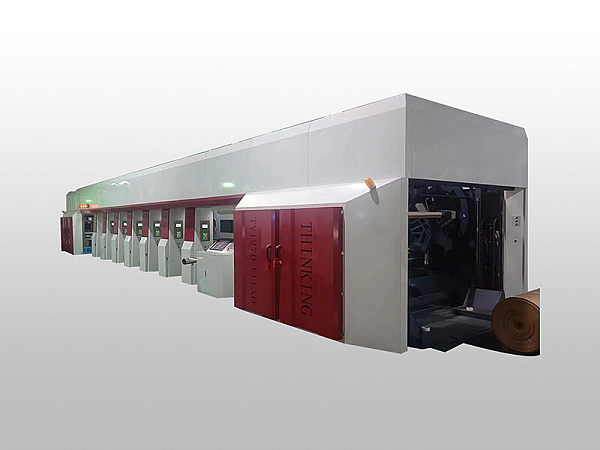
Understanding the Financial Layers of Milk Packet Printing Machine Investment
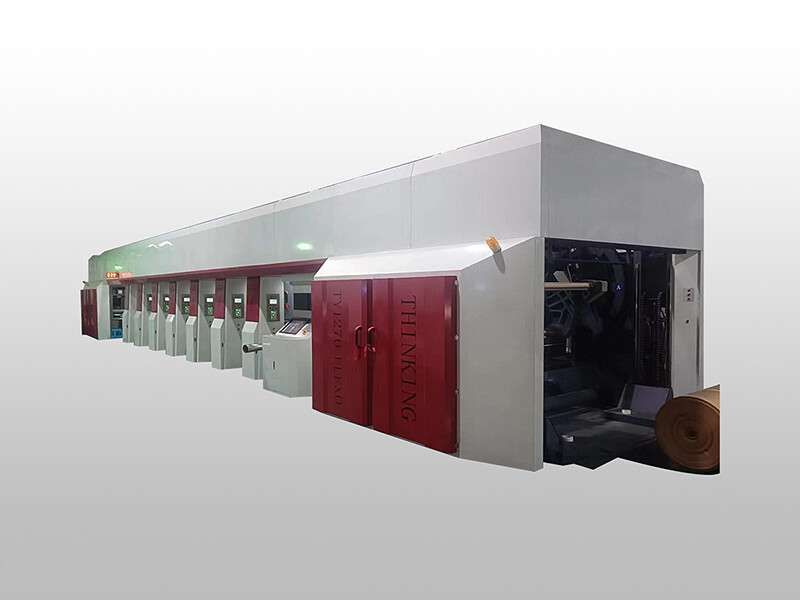
Investing in a milk packet printing machine can appear straightforward, but hidden costs often determine the true value of your purchase. Whether you’re comparing milk packet printing machine prices or evaluating the latest high-speed flexographic printing machine models, understanding maintenance, energy consumption, and operational efficiency is essential. This guide explores what affects the high speed milk packet printing machine cost and how to choose the right Flexo printing machine solution for long-term profitability.
Milk packet printing machines, often powered by flexographic technology, are the backbone of liquid packaging lines. Beyond the initial purchase price—typically ranging between USD 30,000 and USD 120,000 depending on speed and print width—there exist several overlooked cost factors. These may influence total ownership cost by 15–40% over a three-year period. Buyers focusing solely on upfront pricing often underestimate routine consumables, spare parts, downtime losses, and energy inefficiencies.
To ensure a sustainable investment, understanding key cost pillars such as equipment depreciation, operator training, ink and plate replacements, and service contracts becomes essential. From a financial perspective, total cost of ownership (TCO) provides more reliable visibility than sticker price. A realistic TCO analysis should cover at least five areas—procurement, installation, operation, maintenance, and upgrade.
For buyers in the packaging printing sector, this financial awareness transforms purchasing into a strategic decision. Companies that manage hidden costs effectively often achieve a 10–15% higher return on investment within two years. This section lays the foundation for identifying these invisible factors and mitigating them through smarter procurement and maintenance strategies.
Hidden Operational Costs: The Core of Long-Term Expense
In modern dairy packaging operations, operational costs account for nearly 60% of the lifetime cost of a milk packet printing machine. Many of these expenses are subtle, often linked to machine utilization patterns and local production volumes. Understanding these operational costs can prevent cash flow stress and unanticipated budget overruns.
The first hidden factor is consumables. Flexographic printing relies on polymer plates, specialized inks, and cleaning solvents. Each plate has a lifespan of 50,000 to 120,000 impressions, depending on substrate type. Replacing plates every quarter can cost around 5–8% of annual operational budgets. Ink consumption can range from 0.6 to 1.2 kg per thousand packs, directly tied to print coverage and resolution rate.
The second cost driver is energy consumption. A high-speed press running at 200–300 m/min may draw between 15 kW and 25 kW of power. Over a typical 22-day monthly schedule, this translates to more than 3,000 kWh, potentially increasing power bills by 20% if not managed with efficient drives and temperature control systems. Buyers must evaluate machine efficiency ratings and inverter systems before purchase.
Maintenance and downtime form the third hidden cluster. Preventive servicing, recommended every 500 operating hours, costs an average of USD 300–600 per cycle. Yet, neglected alignment or roller issues can lead to 2–3 days of halted production—equivalent to 8,000 to 12,000 lost print meters. Implementing predictive maintenance using vibration analysis or temperature sensors can reduce such stoppages by 30% annually.
Infrastructure and Installation Costs Often Overlooked
A printing machine’s real cost begins even before it starts printing. Installation and integration with existing packaging lines require accurate facility planning. Site preparation accounts for 5–12% of overall project budgets, depending on plant conditions and power infrastructure.
For medium-volume dairy operations handling 10,000–30,000 pouches per day, floor load capacity must exceed 800 kg/m² for stable press placement. Machines often require 380V, 50Hz power supply and a compressed air system of 6–8 bar. Additional investment in UPS systems (minimum 10 kVA) ensures voltage stability, reducing future repair costs by up to 20%.
The installation period typically spans 10–15 working days, including mechanical assembly, alignment, and trial runs. During this stage, hidden expenses appear in the form of technician travel, calibration tools, and training sessions. A robust commissioning contract should clarify warranty initiation date, free service duration (usually 6–12 months), and spare parts package contents.
Integration with existing filling and sealing units can also pose challenges. Incompatible sensor systems or data interfaces might require PLC upgrades costing USD 1,500–2,000. Planning digital connectivity ahead of installation can prevent these retrofitting costs and shorten total deployment time by up to 25%.
Strategic Selection Factors to Avoid Future Cost Inflation
Once installation is complete, the next invisible pricing layer emerges through future adaptability and scalability. Selecting a flexographic milk packet printing machine with modular upgrades—like servo-driven tension control or automatic ink viscosity management—can reduce printing waste by as much as 12% annually.
Decision-makers should evaluate machines using at least four key metrics: registration accuracy, print repeatability, changeover time, and ink utilization rate. For example, accuracy within ±0.15 mm ensures consistent branding quality while minimizing rejects. Likewise, faster job changeover within 8–12 minutes reduces labor downtime.
Procurement teams often overlook digital technology support. Machines with IoT-enabled diagnostic modules can automatically log data and alert maintenance teams about anomalies, cutting emergency repair costs by nearly 25%. Over a five-year lifecycle, such systems justify their 5% higher price tag through improved equipment uptime.
From a cost-control standpoint, choosing machines with compatible cylinder dimensions (typically 800–1,200 mm circumference) simplifies integration with existing tooling infrastructure. Reducing custom plate formats directly affects recurring purchasing costs, easing pressure on inventory management and quality control teams.
In summary, technology adaptability, precision printing, and intelligent data monitoring form the most effective long-term shields against cost inflation and technical inefficiencies.
Maintenance Planning and Service Lifecycle Management
Proper maintenance ensures consistent machine performance, reduces unplanned outages, and sustains output quality for milk packet production. Neglecting it can elevate operating costs by 30% within two years. Thus, maintenance strategy should be integrated from the purchase phase.
Key components needing periodic care include anilox rollers, doctor blades, and drying systems. Rollers should be cleaned every 100 production hours to maintain ink cell precision. Extended neglect may result in a 5–8% increase in ink waste. Similarly, replacing doctor blades every 60,000 printed meters enhances edge clarity and reduces streak defects.
Service contracts generally come in three forms—basic, comprehensive, and predictive—each with different coverage extents and annual costs. Predictive services leveraging sensor-based tracking can identify wear and part fatigue before failures occur, converting costly breakdowns into planned interventions. This optimizes manpower scheduling and reduces spare inventory requirements.
To visualize maintenance planning, the next list summarizes recommended intervals:
Daily: Visual inspection of ink flow, air pressure, and temperature control systems.
Weekly: Calibration check of tension control and registration sensors.
Monthly: Cleaning of ducts, rollers, and drying modules; lubrication of bearings.
Quarterly: Comprehensive mechanical alignment and control software updates.
Annually: Full preventive service with replacement of critical wear components.
For reliability-focused organizations, tracking Mean Time Between Failures (MTBF) and Mean Time to Repair (MTTR) metrics—ideally maintaining MTBF above 400 hours and MTTR below 6 hours—provides quantitative insights into maintenance effectiveness and resource allocation efficiency.
FAQ: Practical Concerns When Evaluating Machine Investment
How long does a typical milk packet printing machine last before replacement?
With proper maintenance, flexographic milk packet printing machines can last between 8 to 12 years. The duration depends on production intensity—continuous three-shift operations may require overhaul after 7 years, while intermittent runs extend machine health significantly.
What are the most common spare parts that cause downtime?
The top three culprits include gear assemblies, pneumatic cylinders, and tension sensors. Each typically requires replacement every 12–18 months depending on usage frequency. Keeping 5–10% of machine cost reserved annually for critical spares ensures operational stability.
Is it cheaper to buy a second-hand die-cutting or printing unit?
Used equipment can save 20–40% upfront investment but may demand higher maintenance expenditures. Conducting mechanical inspection and print quality benchmarking before purchase helps reduce long-term risks and aligns total cost of ownership with expectations.
What’s the average lead time for a new milk packet printing machine?
Lead times typically range from 45 to 90 days, depending on customization level, print width, and optional automation systems. Advanced servo-driven presses might require an additional 10–15 days for assembly and performance testing before shipment.
Conclusion and Action Steps
Hidden costs are the silent determinants of profitability in milk packet printing projects. By analyzing operational, infrastructural, and lifecycle expense layers, businesses can avoid typical overexpenditure traps and extend ROI horizons. Flexographic printing technology, when matched with disciplined cost governance, ensures print precision, lower waste, and predictable operating budgets.
Whether your enterprise seeks a new high-speed Flexo press, a refurbished die-cutting line, or a custom paper bag printing unit, evaluating hidden costs before purchase will secure your plant’s efficiency and financial stability. The key is to approach every procurement not merely as a machine purchase but as an end-to-end productivity investment.
To explore optimized flexographic printing solutions or receive a tailored cost assessment for your packaging line, contact our team today. We help identify the right machine configuration for your production scale, quality goals, and long-term profitability requirements.
Contact Us Today to Get a Quote
WhatsApp:+8613863655370
Tel:+8613863655370
E-mail:Chris@bochuanpack.com