
NEWS
Flexo printing machine market shifts: what’s driving the latest price changes
Flexo Printing Machine Market Shifts: What’s Driving the Latest Price Changes
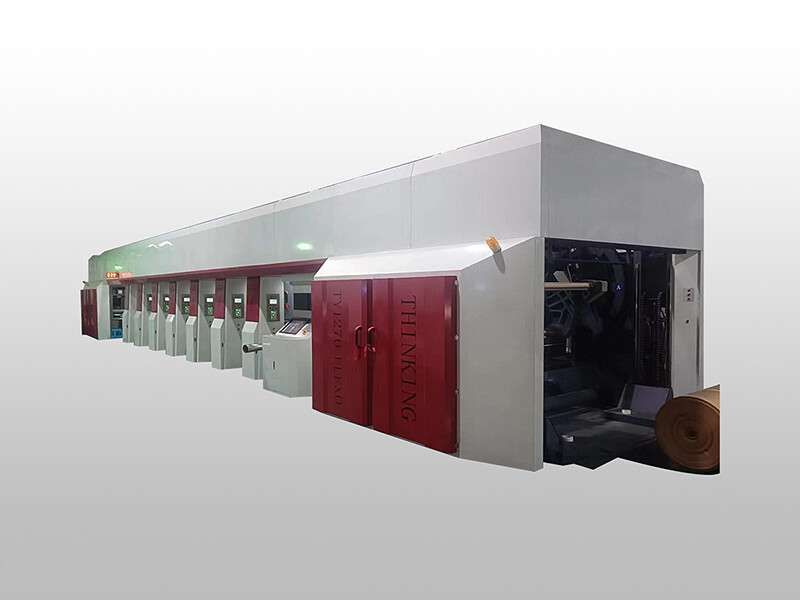
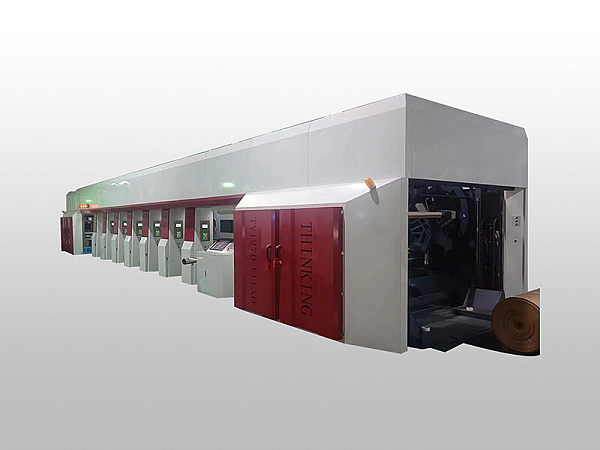
The flexo printing machine market is undergoing dynamic shifts as manufacturing innovation, raw material costs, and sustainability demands reshape pricing trends. From the High-speed flexographic printing machine price to the Milk packet printing machine price, every segment reflects new industry drivers. For buyers evaluating the high speed milk packet printing machine or upgrading existing Flexo printing machine systems, understanding these market dynamics is crucial for smarter investment decisions.
Technological Innovation as a Core Price Driver
Over the past five years, technological development has been the most powerful factor reshaping the price structure of flexo printing machines. Manufacturers are integrating servo motor systems, automatic registration controls, and digital ink management platforms. These innovations can increase production efficiency by 15–30%, reduce waste by up to 20%, and maintain consistent print quality even on large-volume orders.
Modern high-speed flexographic presses—especially those used for paper bag printing or milk packet packaging—often come equipped with modular drying units and closed-loop color systems. A typical upgrade from mechanical to servo drive technology can increase machine prices by 10–18%, yet operators benefit from faster changeovers and a reduction in plate wear by roughly 25%.
For small and medium converters, investing in hybrid or automated ink systems has become a strategic choice. Systems with integrated PLC control reduce make-ready time from 30 minutes to less than 12 minutes, supporting shorter production cycles and lower energy bills. As automation levels rise, the balance between initial investment and long-term ROI becomes more favorable.
In addition to core printing efficiency, many second-hand die-cutting machines are being retrofitted with semi-automatic feeding units or smart web tension systems. These upgrades typically add 8–12% to refurbishing costs but extend machine life by another 5–7 years, making them attractive options for operators seeking cost control with modern performance.
Raw Material and Logistics Price Fluctuations
Another decisive factor impacting flexo machine pricing is the volatility in raw materials such as stainless steel frames, aluminum rollers, and electronic components. Between 2021 and 2023, average steel costs fluctuated within a ±25% range, while microcontroller chip shortages pushed lead times from 4 weeks to as long as 12 weeks in several regions.
Supply chain pressures also affect transportation and packaging costs. For bulky equipment exceeding 5 tons, logistics expenses can now account for 6–9% of final purchase costs, compared to 3–4% prior to 2020. Buyers negotiating overseas machinery must evaluate Incoterms and freight insurance to mitigate these uncertainties.
Dealers of second-hand die-cutting machines face unique cost challenges. Refurbishment material costs, including replacement rollers and PLC units, have risen by 12–20% annually due to component scarcity. This variance is one reason why buyers sometimes observe unpredictable price gaps between suppliers in different markets.
To balance these pressures, some manufacturers are adopting local component sourcing strategies, reducing cross-border dependency by 30–40%. Such localization improves service response times and stabilizes spare part availability for customers engaging in ongoing maintenance.
Sustainability and Energy Efficiency Pressures
Sustainability is no longer a trend; it’s a regulatory and reputational imperative in packaging and printing industries. Flexo machine buyers are now compelled to meet energy efficiency targets, reduce VOC emissions by 15–25%, and comply with environmental standards like ISO 14001 or local emission caps.
Manufacturers are redesigning ink circulation systems and adopting water-based or UV-curable inks that eliminate solvent waste. However, switching to environmentally compliant inks can increase operating costs by around 8–12% initially. Over time, this transition lowers waste disposal expenses and enables compliance in diverse export markets.
Energy-efficient drying systems and heat recovery modules can reduce total power consumption by 15–20 kWh per production hour. When scaled across continuous operation, that represents a potential savings of up to 12% on annual energy expenditures. Equipment with LED-UV drying or inverter drives is especially suitable for paper bag and flexible film applications.
As sustainability compliance tightens, buyers assessing total cost of ownership over 5–7 years increasingly realize that eco-efficient systems deliver competitive returns—despite slightly higher acquisition costs.
Procurement and Investment Strategies in a Changing Market
Procurement professionals and financial approvers must integrate technology, market, and operational variables into an inclusive cost-benefit framework. The following structured approach helps companies navigate flexo machine sourcing efficiently.
Four Key Evaluation Metrics
Performance benchmarking—evaluate output speed (150–400 m/min) and print resolution (up to 175 LPI) for core process stability.
Operational scalability—determine optional module compatibility such as inline lamination or slitting units for post-print expansion.
Service lifecycle—review warranty (usually 12–24 months) and local parts replacement lead time (typically within 7–10 working days).
Total ownership cost—calculate maintenance, energy, and consumable costs, targeting a total cost recovery period of 2–3 years.
In decision-making frameworks, many procurement heads now apply multi-factor scoring models, assigning 40% weight to technology, 30% to cost, and 30% to after-sales service reliability. This method supports balanced decision outcomes aligned with long-term operation goals.
Typical Procurement Timeline
Depending on machine complexity and customization, delivery time can vary between 8 and 20 weeks. A standard procurement cycle follows these five stages:
Requirement analysis and capacity validation (2 weeks)
Technical proposal review and quotation (1–2 weeks)
Commercial negotiation and order confirmation (1 week)
Manufacturing and testing period (5–12 weeks)
Shipment, installation, and commissioning (1–3 weeks)
Strategic buyers can compress this timeline by maintaining pre-approved vendor lists or framework agreements, reducing lead time by 15–20% without compromising quality assurance stages.
Maintenance, After-Sales, and Resale Value Optimization
Once in operation, preventive maintenance policies directly influence uptime and long-term cost balance. Scheduled inspection intervals (every 500–1000 running hours) and roller cleaning routines can extend printing consistency and prevent downtime losses of up to 5 hours per failure incident.
Suppliers providing remote diagnostics and spare parts dispatch within 48 hours typically offer operational uptime exceeding 95%. That reliability factor increasingly drives brand selection for both new and used paper bag printing machines.
For resale markets, machines maintained with documented service logs retain up to 20–25% higher value. Buyers of second-hand die-cutting machines often request prior calibration records and replacement part details to verify operational stability.
Therefore, a structured maintenance plan is not only a technical requirement but also a financial instrument ensuring sustainable return on equipment investment.
FAQ: Key Questions About Flexographic Printing Machine Prices
How do high-speed flexographic printing machines differ from standard ones in cost?
High-speed models capable of running above 350 m/min usually cost 15–25% more than standard presses due to reinforced structures, improved servo systems, and dynamic dryers. However, per-unit production cost can drop by 10–15% when operating near full capacity.
What is the typical lifetime of a flexo printing machine?
With routine maintenance every 800 hours and part replacement cycles every 18–24 months, a well-maintained machine lifespan extends between 10–15 years. Electronics retrofit after 7–8 years can prolong usability another 4–5 years.
Are refurbished machines a good alternative for small converters?
Yes, especially when annual run volumes do not exceed 5 million impressions. A refurbished model priced 30–40% below new can still deliver 80–90% performance with competent service backup. Buyers must, however, verify quality assurance certificates post-refurbishment.
What after-sales services should buyers prioritize?
Key items include technical training (minimum 3 days), online troubleshooting within 24 hours, and local parts stock availability. Service contracts with quarterly machine audits can reduce failure rates by 10–12% annually.
Conclusion: Turning Market Shifts into Strategic Advantage
The ongoing transformation across the flexo printing machine landscape presents both challenges and opportunities. Price trends are increasingly linked to technology adoption, raw material volatility, and environmental compliance, meaning every purchase decision carries strategic weight. For converters, distributors, and corporate procurement teams, aligning with suppliers that emphasize transparency, technical support, and lifecycle management will be critical for maintaining competitiveness.
We provide professional solutions covering flexographic printing machines, second-hand die-cutting equipment, and paper bag printing systems designed to match distinct capacity and cost objectives. To navigate the evolving market confidently, contact us to discuss a tailored configuration or to request a quotation aligned with your production goals and budget plan.
Contact Us Today to Get a Quote
WhatsApp:+8613863655370
Tel:+8613863655370
E-mail:Chris@bochuanpack.com