
Choosing between standard and high-speed flexo printing machines: a cost–benefit comparison
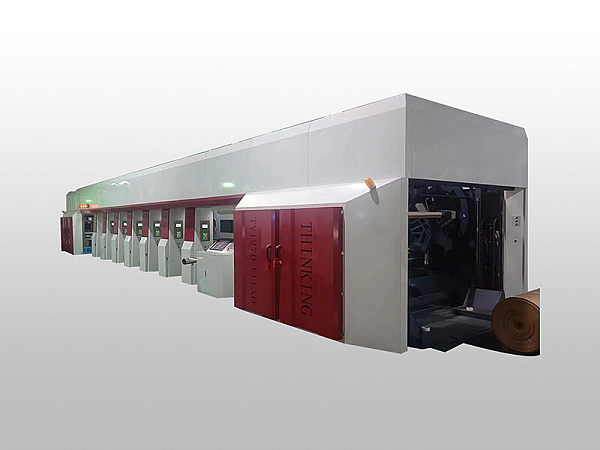
Performance and Speed: Evaluating Production Efficiency
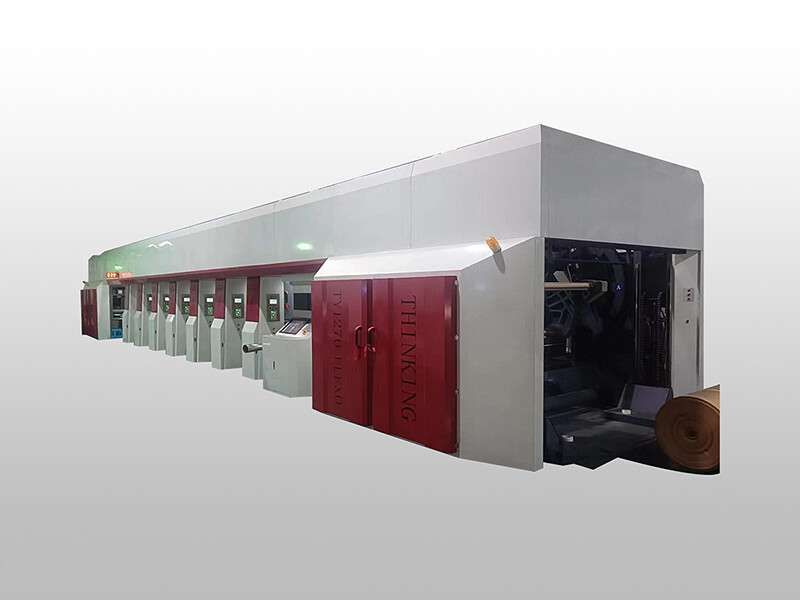
As packaging demands evolve, many professionals face a key decision: whether to invest in a standard or high-speed flexo printing machine. Understanding the differences in performance, productivity, and total ownership cost is crucial for those comparing the high-speed flexographic printing machine price and evaluating options such as milk packet printing machines. This guide explores the cost–benefit balance between flexo printing machine types, helping businesses choose the right solution for their production and budget needs.
The first factor to examine when comparing standard and high-speed flexo printing machines is production speed. Standard models generally operate within 100–200 meters per minute, ideal for small to medium runs or custom orders. In contrast, high-speed machines reach 300–600 meters per minute, significantly increasing throughput for long-run jobs or continuous operations. This variance in productivity directly influences lead times, manpower utilization, and potential profitability.
Beyond pure speed, modern high-speed flexo presses integrate automated tension control, web alignment, and servo-driven inking systems. These features reduce setup time by approximately 20–30%, ensuring faster changeovers and consistent quality. However, their advanced mechanisms come with higher initial costs and energy consumption, which buyers must evaluate against their average job size and customer demand frequency.
Another core performance aspect is print resolution and registration accuracy. Standard flexo machines typically achieve registration tolerances around ±0.2 mm, suitable for simple graphics such as corrugated packaging or paper bags. High-speed presses, using closed-loop control, can maintain accuracy within ±0.05 mm even at full speed. For premium food packaging, milk sachets, or pharmaceutical labels requiring tight visual precision, this difference is critical.
Considering these parameters, organizations working under strict deadlines or with industrial-scale production lines may recover the capital cost of a high-speed unit within 24–36 months. Small converters or startup facilities might find standard configurations more cost-efficient in the first 3 years of operation.
Cost Structure and Return on Investment
When analyzing the financial implications of both machine types, consider the total cost of ownership instead of purchase price alone. Standard flexo presses typically range from USD 70,000–120,000, whereas high-speed models with automation can exceed USD 250,000–400,000 depending on width and configuration. Maintenance, operator training, and spare part frequency can add an extra 8–12% annually to the total operating cost.
Operating cost per print meter shows that high-speed machines, though expensive upfront, tend to lower per-unit costs once the annual output surpasses 20 million meters. The main reason is reduced downtime and wastage per job—on average, 2–3% scrap rate compared to 5–7% on older standard systems. Lower waste directly translates to raw material savings and fewer adjustments during print runs.
Maintenance cycles also differ: standard units may require belt or roller servicing every 1,000–1,500 hours, while high-speed servo units extend this to about 2,000–2,500 hours due to advanced lubrication and sensor monitoring. Downtime reduction of even 1 hour per shift can yield noticeable annual financial return, especially for continuous packaging production lines.
To calculate ROI more accurately, buyers should assess utilization rates. For instance, running a high-speed printer at only 40% of its designed capacity rarely outperforms a standard machine operating at 90% utilization. The break-even typically occurs when monthly volume exceeds 1.5–2 times the practical limit of a standard machine’s output.
Quality Control, Process Stability, and Safety
Beyond numbers, print consistency and safety management remain central to machine choice. High-speed flexo presses often feature closed-loop viscosity control and automatic defect detection that runs at intervals as short as every 15 seconds. This reduces color shift risks and minimizes post-print inspection effort. Standard units, while reliable, depend heavily on operator expertise to maintain ink density and plate pressure stability.
Moreover, heat management in drying units significantly impacts substrate compatibility. Modern hot-air or UV systems on premium models ensure drying uniformity within ±2°C range, ideal for delicate films or laminated papers. For paper bag printing or corrugated cases tolerant to wider moisture variation (±5°C), a standard drying unit already meets requirements and conserves power up to 20%.
Safety supervision should not be overlooked. High-speed configurations incorporate multiple emergency stop points and digital interlocks across 6–10 safety checkpoints. Automatic roll loading minimizes manpower risk by up to 30%. Meanwhile, standard machines can adopt retrofitted guards or barrier systems for similar operator protection at lower cost. The correct selection depends on workload intensity and compliance requirements under ISO safety standards.
Quality assurance departments can benefit from integrated data logs recording cure temperature, ink pH readings, and print tension in real time. This traceability enhances both customer trust and internal audit readiness—a growing need as brand owners demand verifiable production histories for each batch.
Purchasing and Technology Selection Guidelines
Selecting between the two machine categories should follow a structured evaluation process. Procurement teams can benchmark at least four criteria: production throughput needs, job diversity, available technical workforce, and long-term scaling strategy. A balanced view avoids overinvestment while ensuring capacity for at least 24 months of forecasted growth.
Recommended steps for structured purchasing decisions include:
Quantify monthly material usage in meters or tons to estimate required machine capacity.
Define job mix ratio between short-run design jobs and long-duration repeat orders.
Estimate target changeover frequency per shift (e.g., 3–5 times/day for standard lines).
Evaluate internal skill levels; high-speed machines need more technical calibration skills.
Assess supplier after-sales support response time—ideally under 48 hours.
Beyond the machine hardware itself, businesses should verify integration compatibility with existing die-cutting or laminating units. For example, a paper bag flexo printer must synchronize web tension smoothly with cutting systems to avoid misalignment. Second-hand die-cutting machines often require retrofit kits or tension sensors to match new flexo units, incurring additional cost but enhancing output synergy.
Many leading converters negotiate installation and training packages within the purchase agreement. On-site commissioning often takes 5–10 working days, followed by a calibration phase lasting another 2–3 days per substrate type. Ensuring contractual clarity on these deliverables can prevent future downtime losses.
Maintenance, Service, and Operational Continuity
Ongoing maintenance practices heavily influence life-cycle costs. Standard flexo machines, if kept under proper lubrication and periodic roller cleaning, can maintain stable output over 8–10 years. High-speed units with advanced electronics demand closer service intervals—every 6–8 months for sensor calibration—but enjoy prolonged component life due to precision assembly tolerances.
A preventive maintenance routine generally covers inspection of ink pumps, web tension sensors, bearings, and doctor blades. Each step can prevent production defects that lead to rejected batches. Many facilities now digitize maintenance schedules to achieve compliance and reduce unscheduled stoppages by about 15% annually.
Service providers or distributors offering round-the-clock technical support become critical partners. Outsourced maintenance contracts often include remote diagnostics, ensuring fault analysis within 6 hours. This rapid response keeps production continuity above 95% uptime—a benchmark for competitive packaging manufacturers serving fast-moving consumer goods.
Operators also play a key role. Appropriate training in plate mounting accuracy, ink viscosity adjustment, and safety control usage can enhance printing stability by 10–15%. Companies investing in upgraded equipment should budget for at least 40 hours of training per operator, preferably certified by the machine brand or an accredited technical partner.
Frequently Asked Questions
What type of business gains most from high-speed flexo presses?
High-speed flexographic printing machines suit enterprises processing over 10 million impressions annually or running 24/7. Their automation advantages offset the upfront premium when volume utilization exceeds 70% of rated capacity, commonly found in food packaging and label industries.
Are second-hand die-cutting machines compatible with new high-speed presses?
Yes, with retrofitting. Adding upgraded servo drives and optical sensors allows synchronization with modern presses. Integration work typically costs 8–15% of the die-cutter value and requires a 2-week setup cycle.
What are the most common maintenance mistakes?
Common errors include delayed roller cleaning, inconsistent pH checking of inks, and skipping alignment calibration after pressure changes. Such negligence can raise defect rates by up to 5%. Following manufacturer checklists every 500 operational hours is strongly advised.
How does electricity consumption differ?
High-speed machines consume approximately 15–25% more power due to larger motor torque and multiple drying fans, averaging 25–35 kWh/hour compared to 18–25 kWh/hour for standard configurations. Energy-efficient drives can reduce this gap over time.
Conclusion and Next Steps
The decision between standard and high-speed flexo printing machines must balance investment scale, workload consistency, and technical support readiness. High-speed models deliver unmatched productivity and print precision for high-volume continuous packaging operations, whereas standard variants remain flexible, accessible, and ideal for frequent design shifts or limited runs.
By aligning purchase selection with production forecasts, available infrastructure, and training plans, companies can secure optimal ROI and stable quality output. Whether printing milk packets, branded paper bags, or complex flexible packaging films, choosing the right machine type directly shapes competitiveness in the evolving packaging market.
For personalized recommendations or to compare configurations across flexographic printing machines, second-hand die-cutting machines, and full packaging lines, contact our expert team to receive a tailored proposal and cost assessment for your production goals.
Contact Us Today to Get a Quote
WhatsApp:+8613863655370
Tel:+8613863655370
E-mail:Chris@bochuanpack.com